


Starting as a political news and celebrity portrait photographer in DC, Sam was instantly drawn to wedding photography as a space to promote more inventive ideas. Sam’s focus is on photographic techniques that are deceptively simple but have the potential to transform difficult or uninspiring shooting environments into one-of-a-kind opportunities for every photo made.
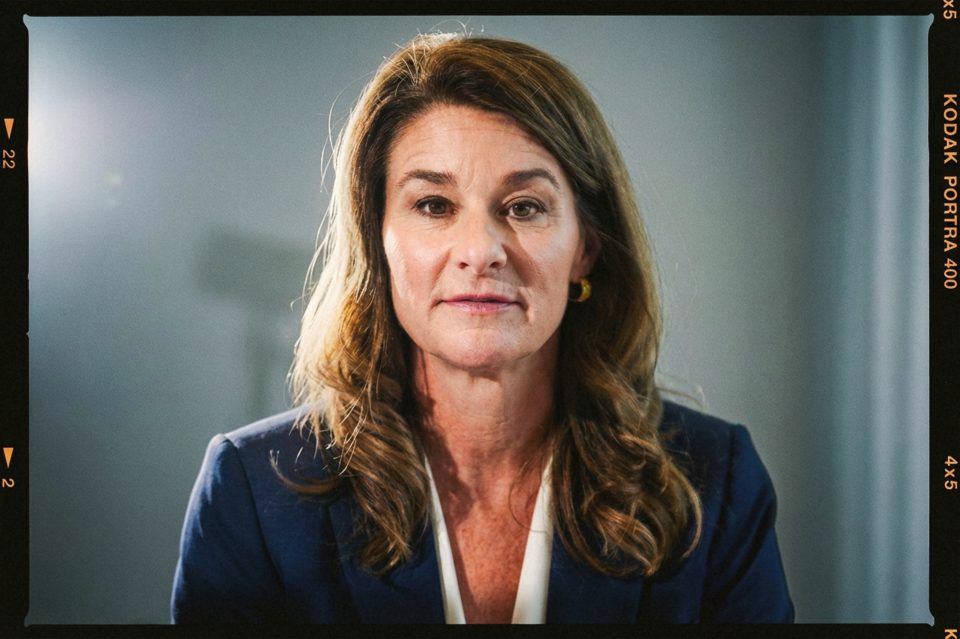
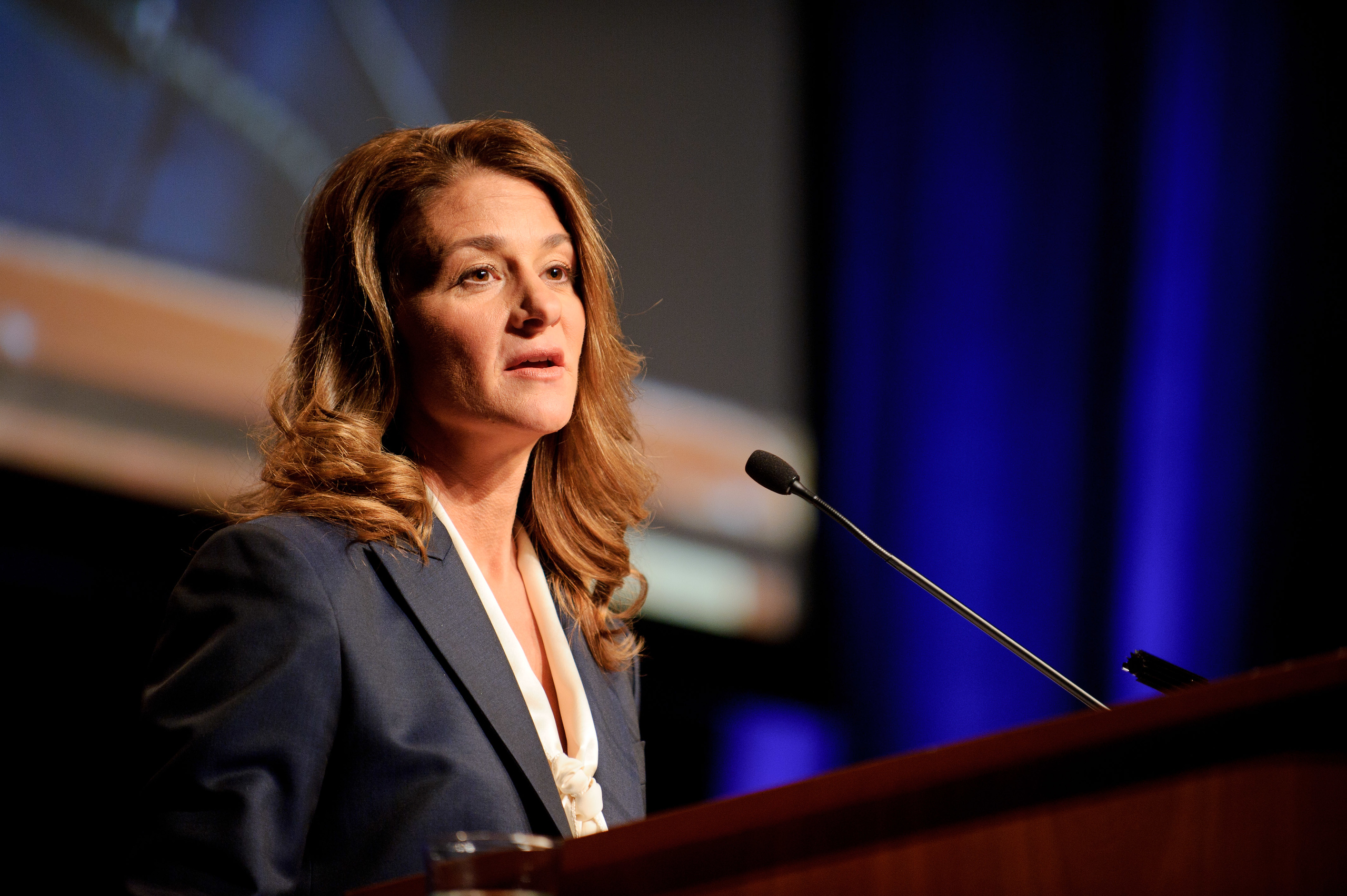
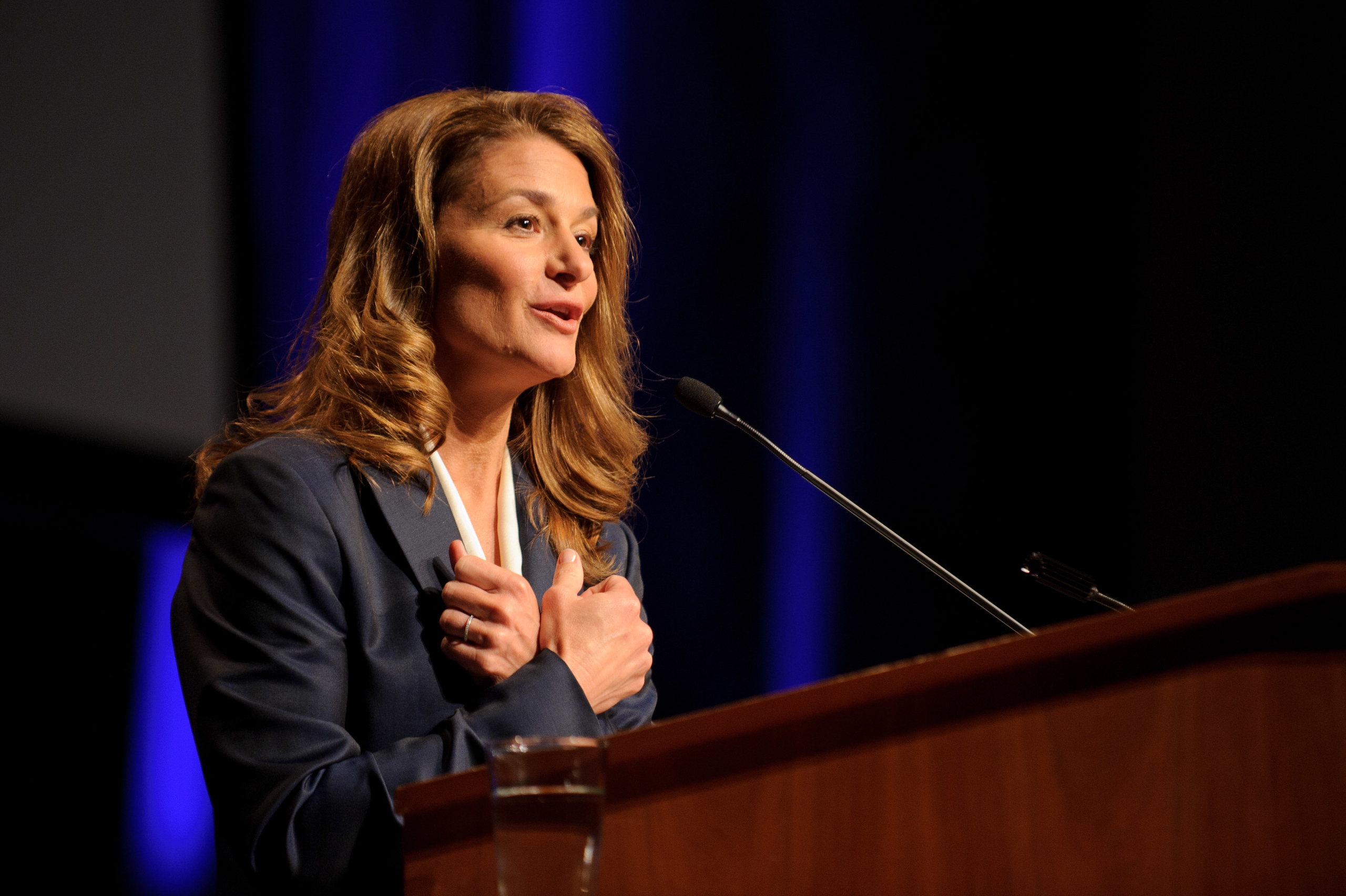
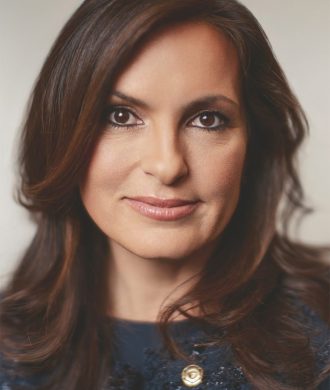
Melinda Gates – June 7, 2010 (Upscale embedded with SynthID)
The Gear
Lens: Nikon 24-70mm f/2.8 at approximately 50mm
Camera: Nikon D3S
Settings: 1/60, f/2.8, ISO 800 (estimated… slower shutter to blend ambient)
Lighting: Two off-camera Nikon Speedlights mixed with window ambient
Editing: Alien Skin Exposure with Portra 400 film border
The Goal
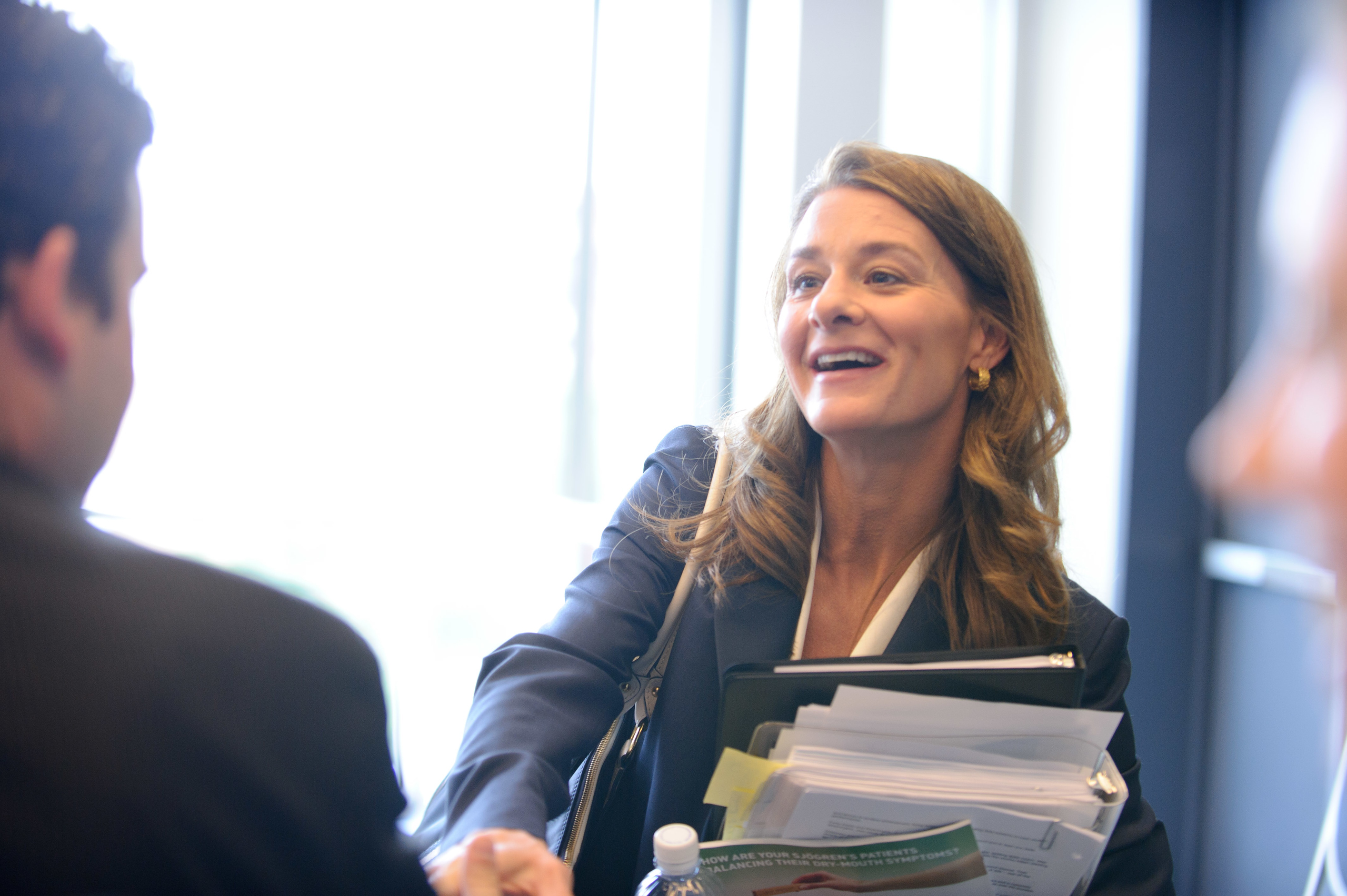
Create a portrait that felt worthy of one of the most influential philanthropists in the world while working in a generic conference room with minimal setup time.
The Vision
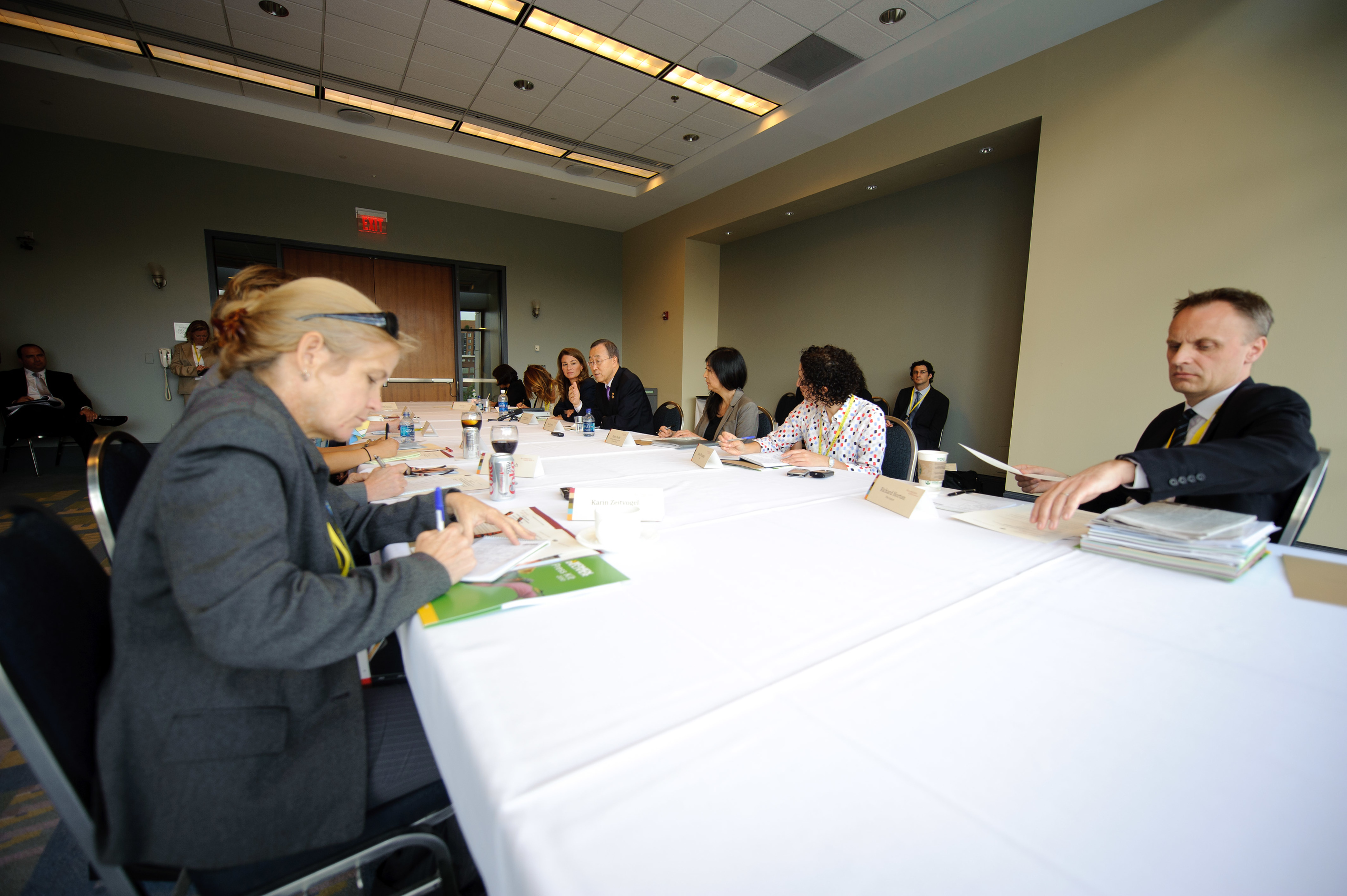
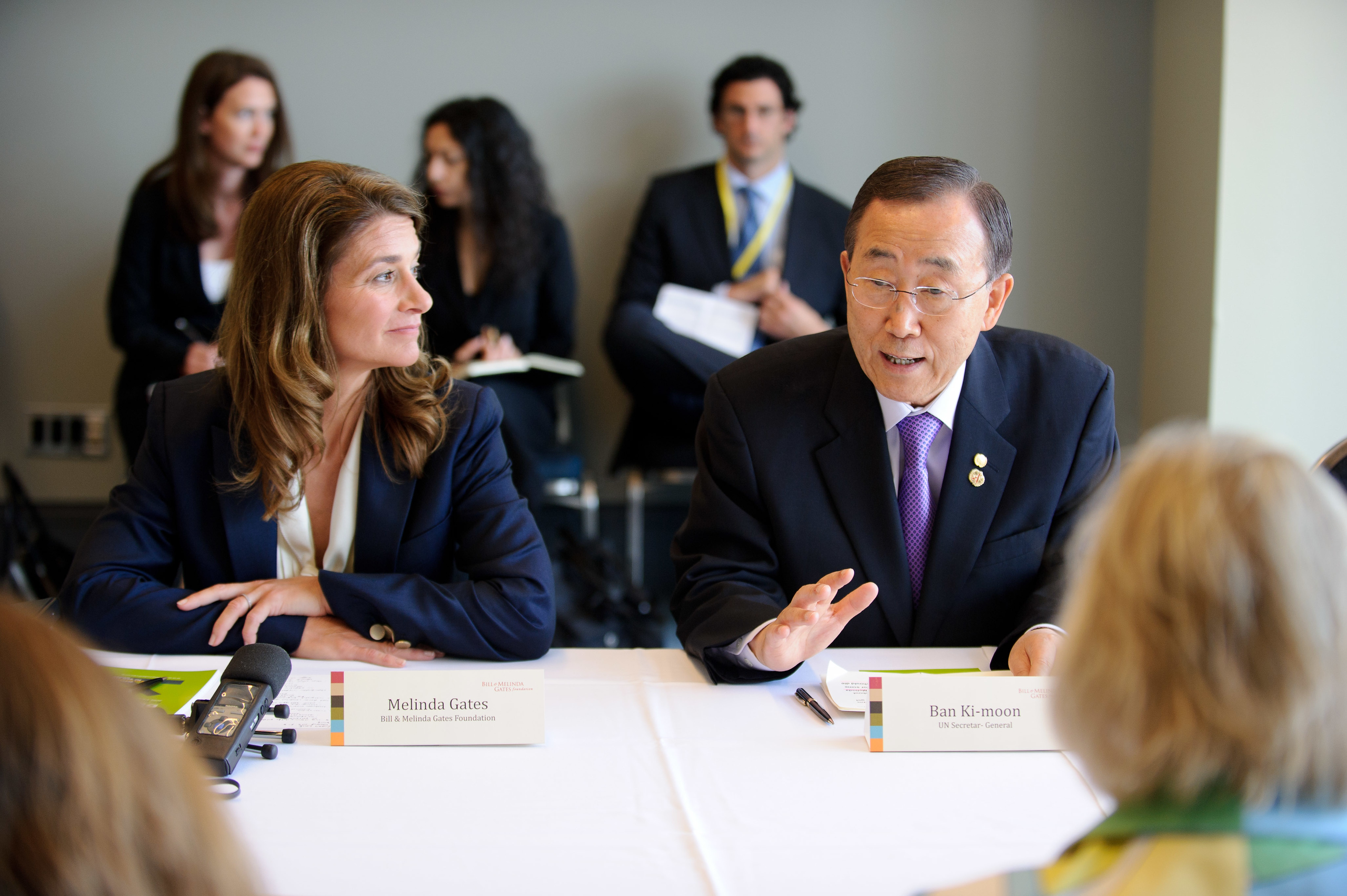
This was a fly-by-the-seat-of-your-pants situation in a conference room at the Walter E. Washington Convention Center. I had a two-light setup mixed with ambient from the windows. The slower shutter speed let some of that window light on her left side bleed in to act as fill… I wasn’t getting much reflection from the walls and wasn’t oriented in a way that would help me bounce anything useful.
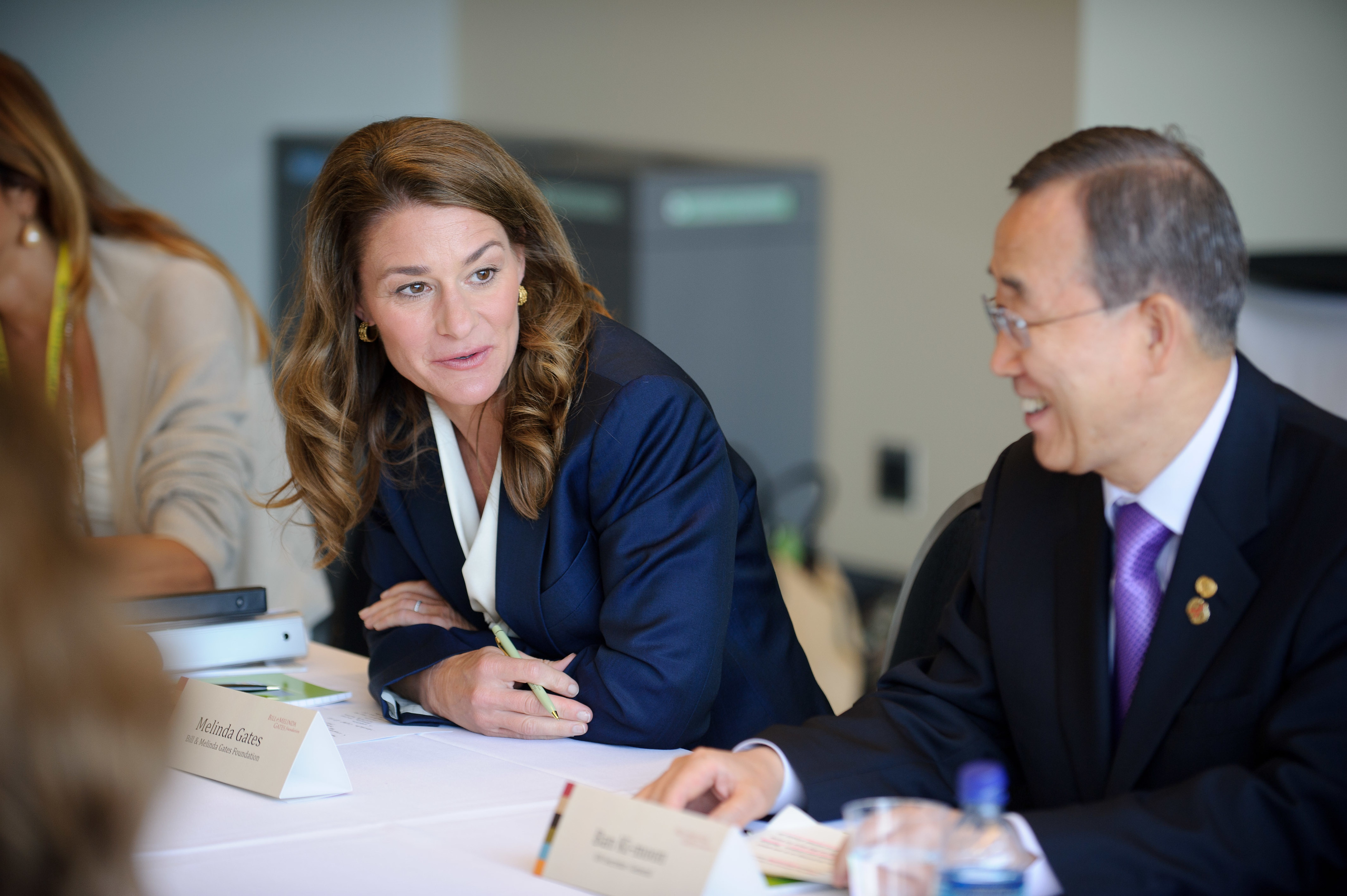
Looking at the portrait now, I wish the key light over my left shoulder had been a bit brighter on the right side of her face. There’s some darkness around her eye that bugs me. I actually realized this in the moment right after the portrait was done, which led me to overcompensate on the next portrait… Ban Ki-moon’s, which I’ll cover in a future post, ended up a bit overexposed with too much fill light. It was just a day of quick and dirty portraits where technical perfection took a back seat to getting the shot.
I compensated for the imperfections with editing in Alien Skin Exposure… grain, an overall filmic look, the Portra 400 border that was still very much on trend at the time. A product of its era that I’m leaving as-is rather than re-editing.
You can actually see the flash itself and its shadow in the background, which has a kind of behind-the-scenes honesty to it.
The Story
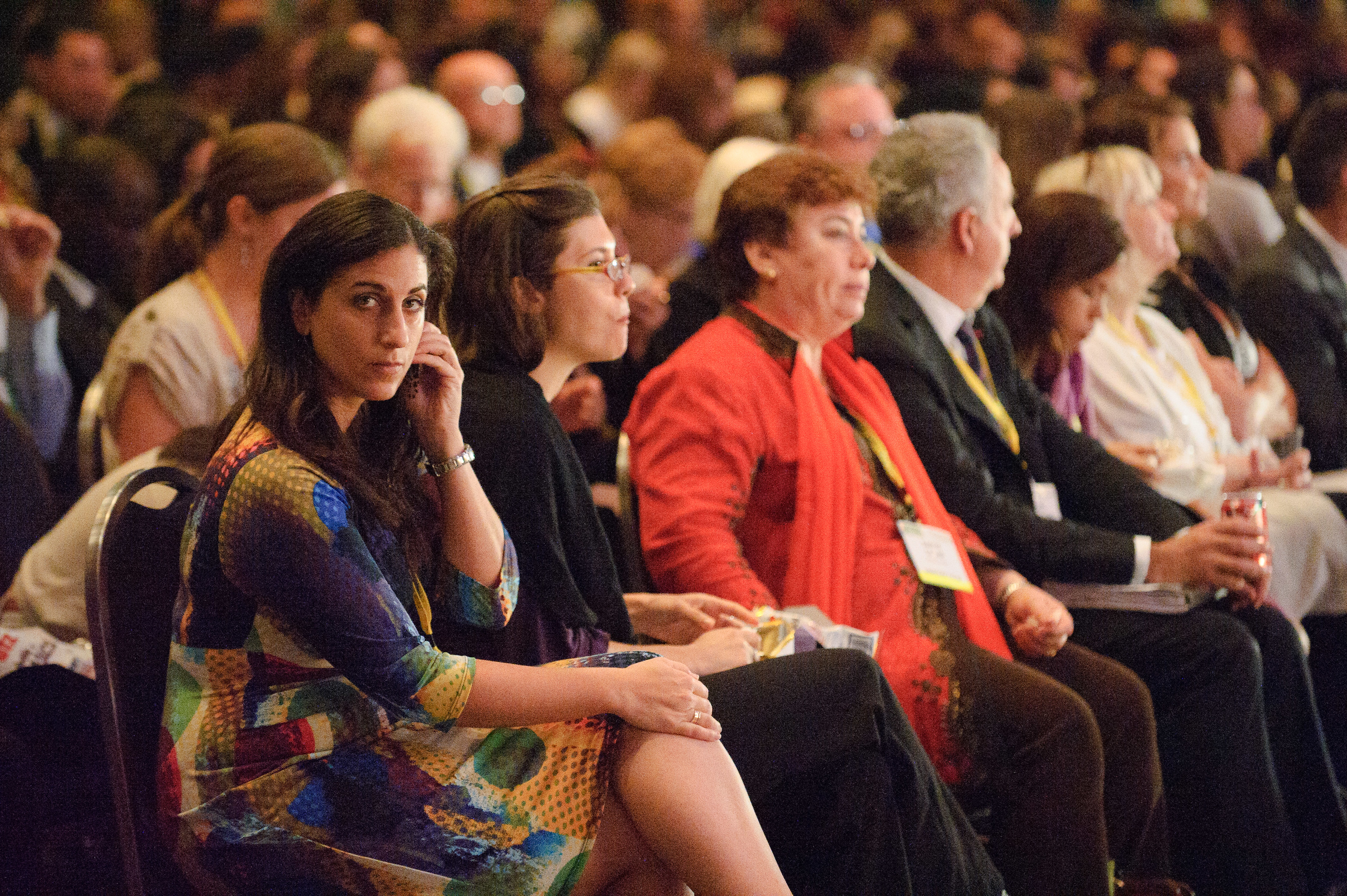
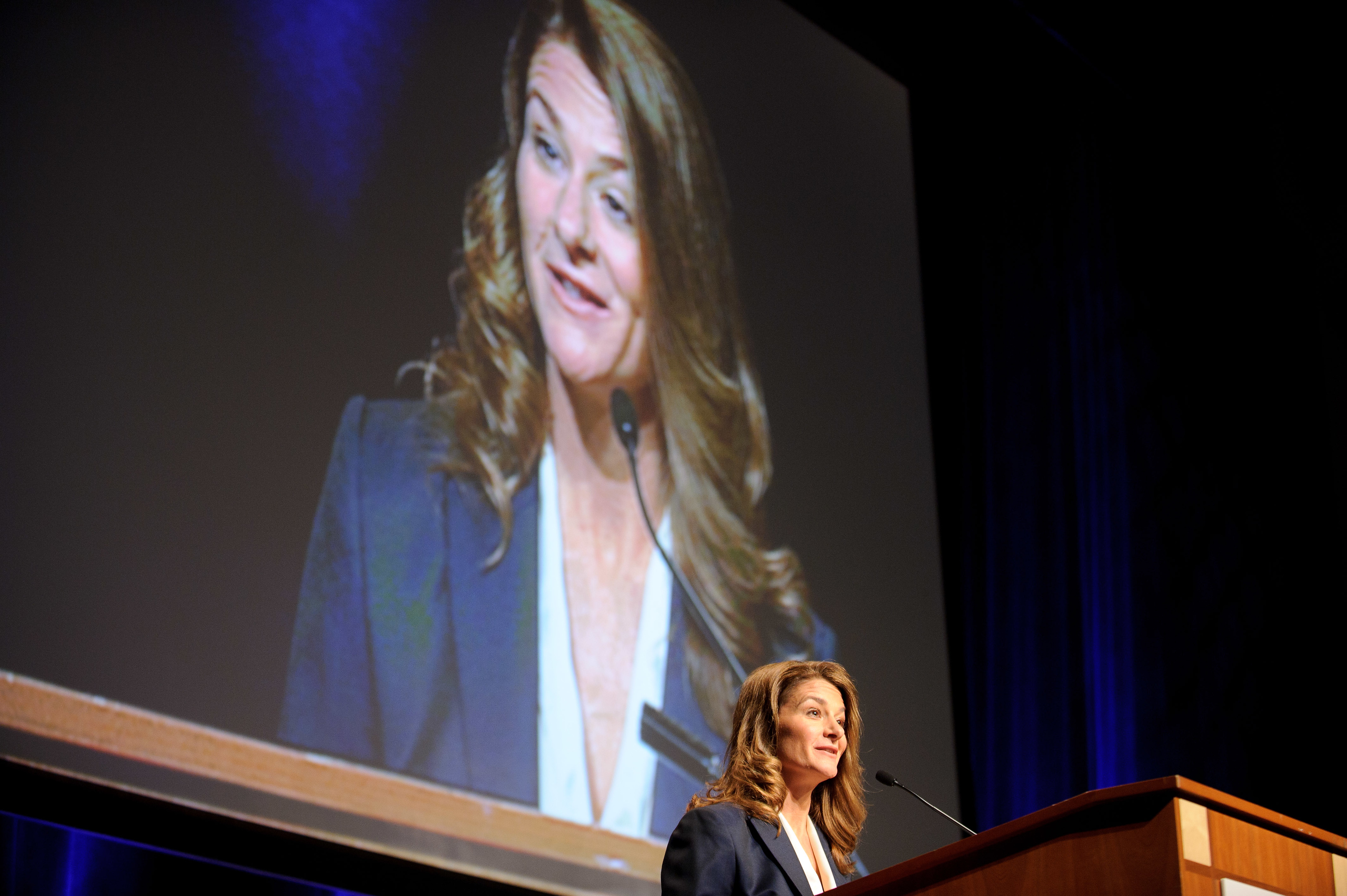
Melinda Gates was at the Women Deliver 2010 conference in Washington DC, a massive gathering of 3,000 world leaders, doctors, and activists focused on maternal and child health. This was a huge moment… she announced that the Bill & Melinda Gates Foundation would invest $1.5 billion over five years to support maternal health, family planning, and nutrition programs in developing countries.
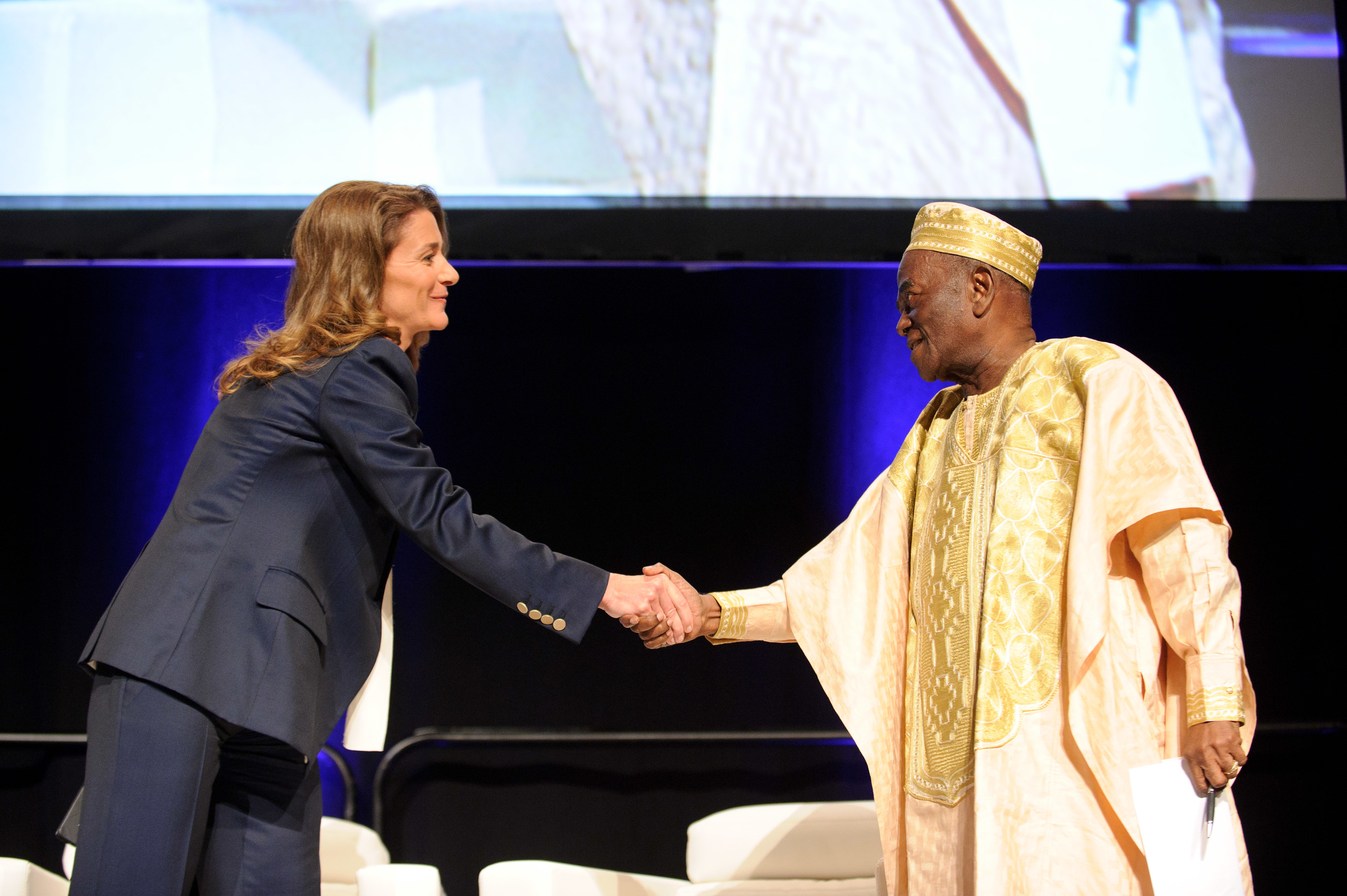
The conference was co-chaired by Dr. Fred Sai, the legendary Ghanaian physician known as the “Godfather of Family Planning.” You can see him in one of the photos here in his striking gold traditional attire… a towering figure in global health who had been fighting for women’s reproductive rights since the 1960s when he secretly provided contraceptives to women in Ghana against a government ban. UN Secretary-General Ban Ki-moon was also there, launching his Joint Action Plan for maternal and child health. I’ll have a separate portrait of him in a future post.
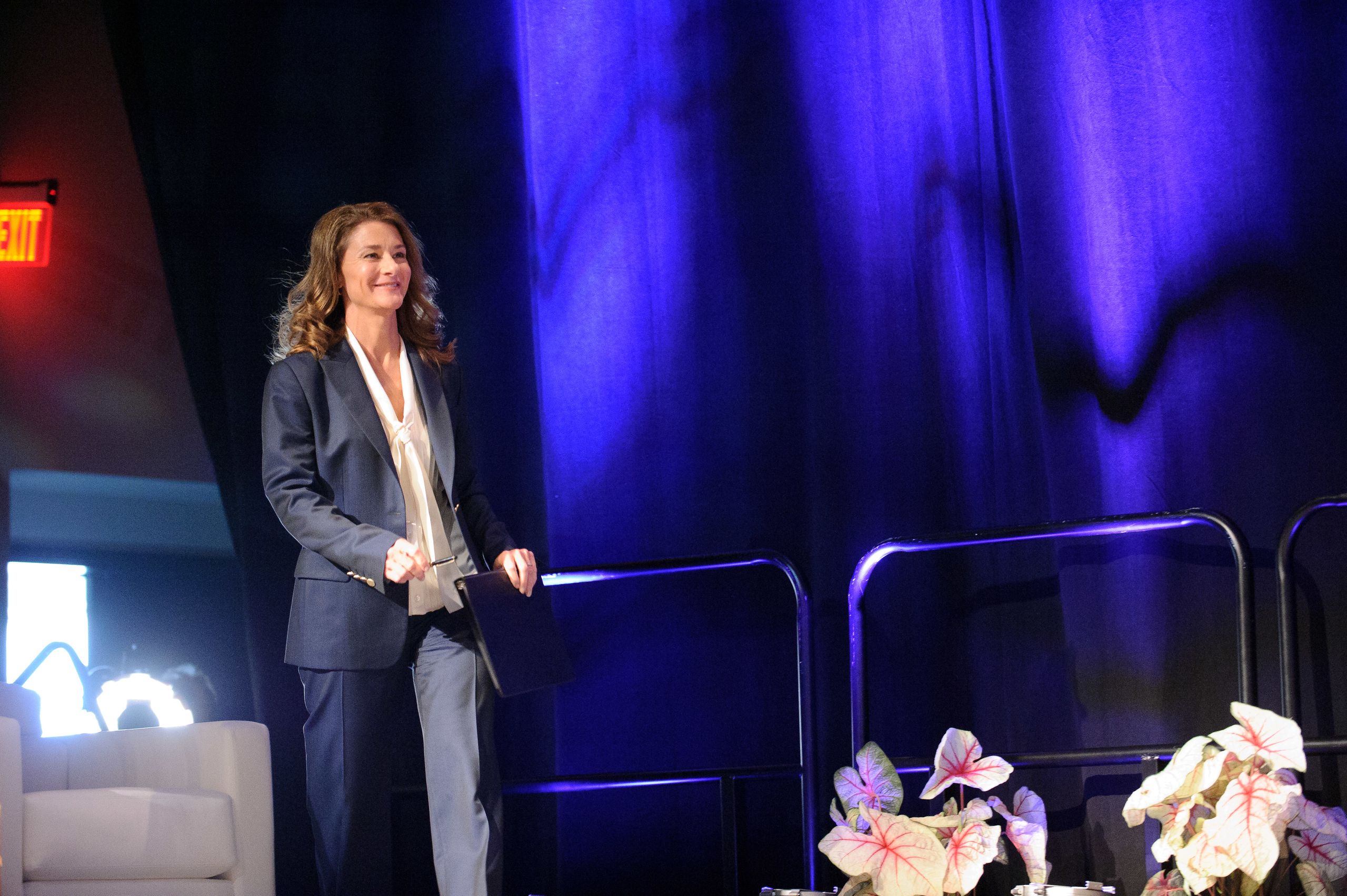
What struck me most about Melinda Gates was how grounded she was. No handlers. No staff hovering. You can see in some of these photos that she’s carrying her own paperwork, her own binder full of notes. Just completely humble and present. In person she was direct, focused, and a bit quiet… not overly conversational, but fully engaged with whoever was in front of her. For someone with her wealth and influence to show up like that says a lot about who she is.
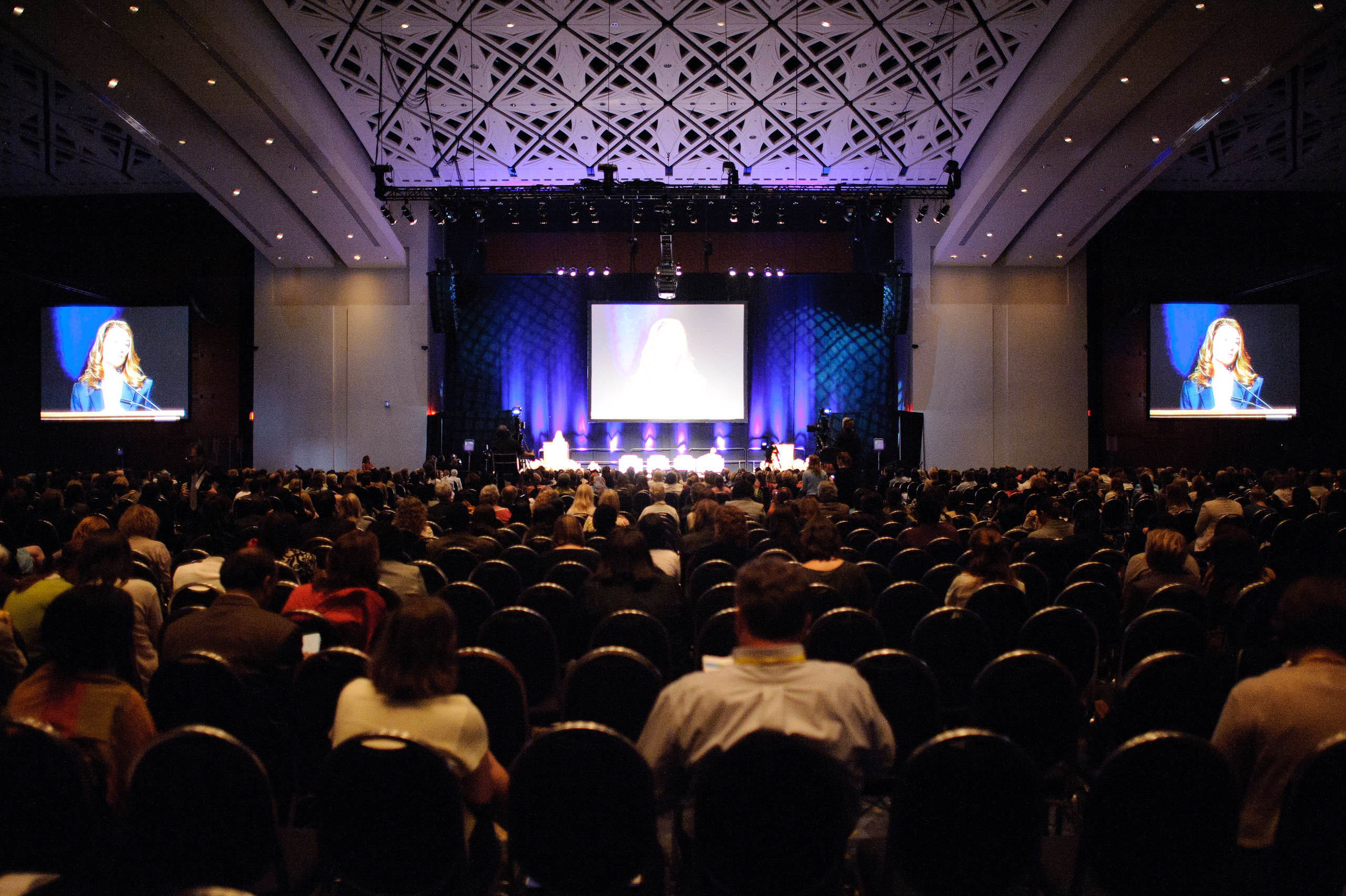
The main plenary sessions happened in this enormous ballroom with thousands of attendees, giant projection screens, professional stage lighting… the whole production. But the portrait came from a smaller press conference room where the Gates Foundation was doing more intimate conversations with media and other stakeholders. Conference room lighting is always a challenge, but having some windows to work with made all the difference.
The Lesson
When you’re working in spaces you can’t control… generic conference rooms, convention centers, hotel ballrooms… embrace the ambient light you have and supplement it rather than trying to overpower it completely. Mixing flash with available light creates a more natural feel than pure strobe, even if it means shooting at slower shutter speeds and accepting some imperfection.
And when you notice a technical mistake, be careful not to overcorrect on the next shot. I went from slightly underlit to slightly overlit in the span of two portraits. Sometimes the better approach is to make a small adjustment rather than swinging to the opposite extreme.
The Epic Portrait Series