

Starting as a political news and celebrity portrait photographer in DC, Sam was instantly drawn to wedding photography as a space to promote more inventive ideas. Sam’s focus is on photographic techniques that are deceptively simple but have the potential to transform difficult or uninspiring shooting environments into one-of-a-kind opportunities for every photo made.

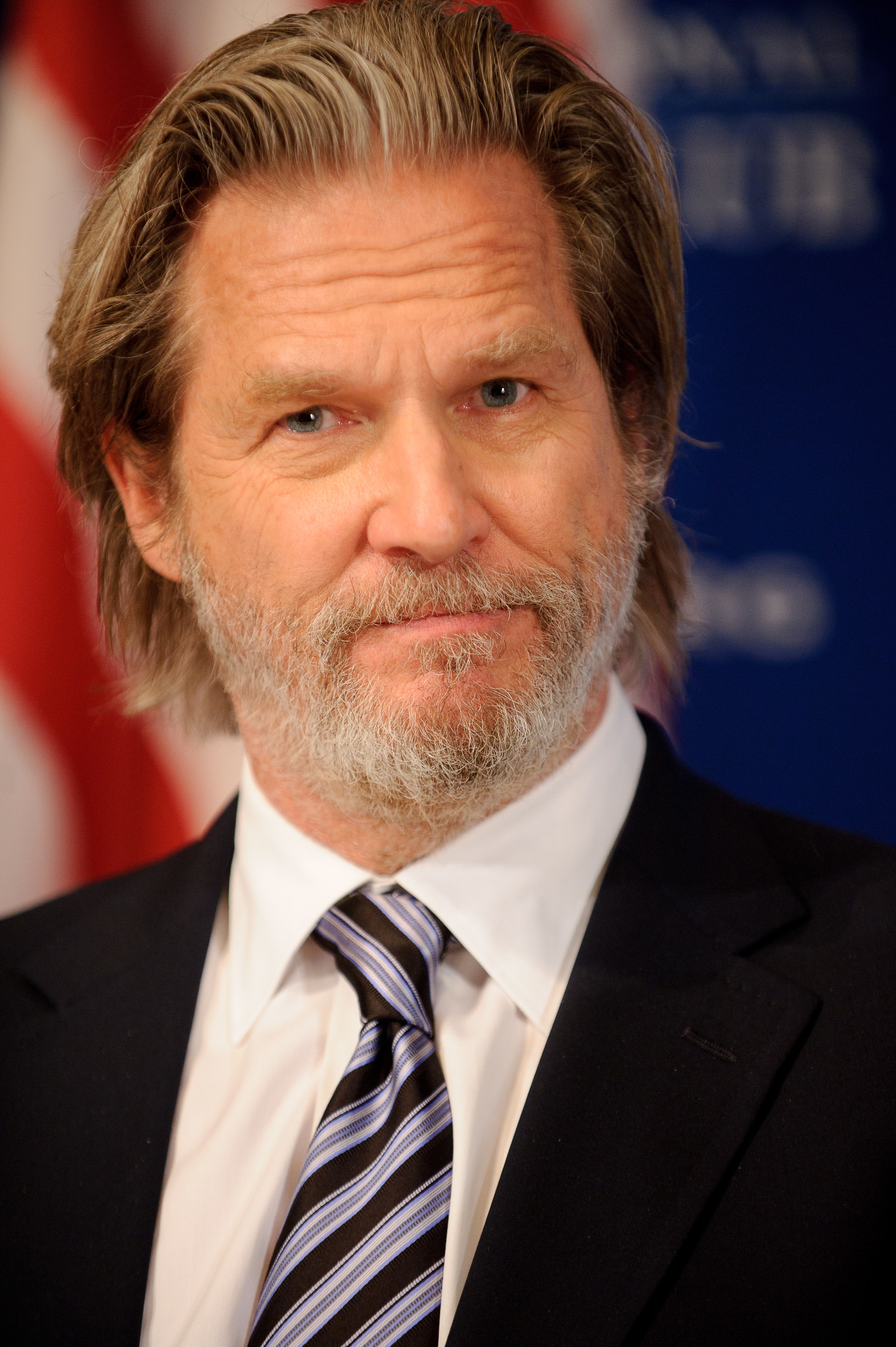
Jeff Bridges – November 10, 2010 (Upscale embedded with SynthID)
The Gear
Lens: Nikon AF-S NIKKOR 70-200mm f/2.8G ED VR II at 160mm
Camera: Nikon D3S
Settings: 1/250, f/2.8, ISO 1400
Lighting: Broadcast studio key light + Paul C. Buff Einstein with Octobox (behind subject) + reflector panel as fill
The Goal
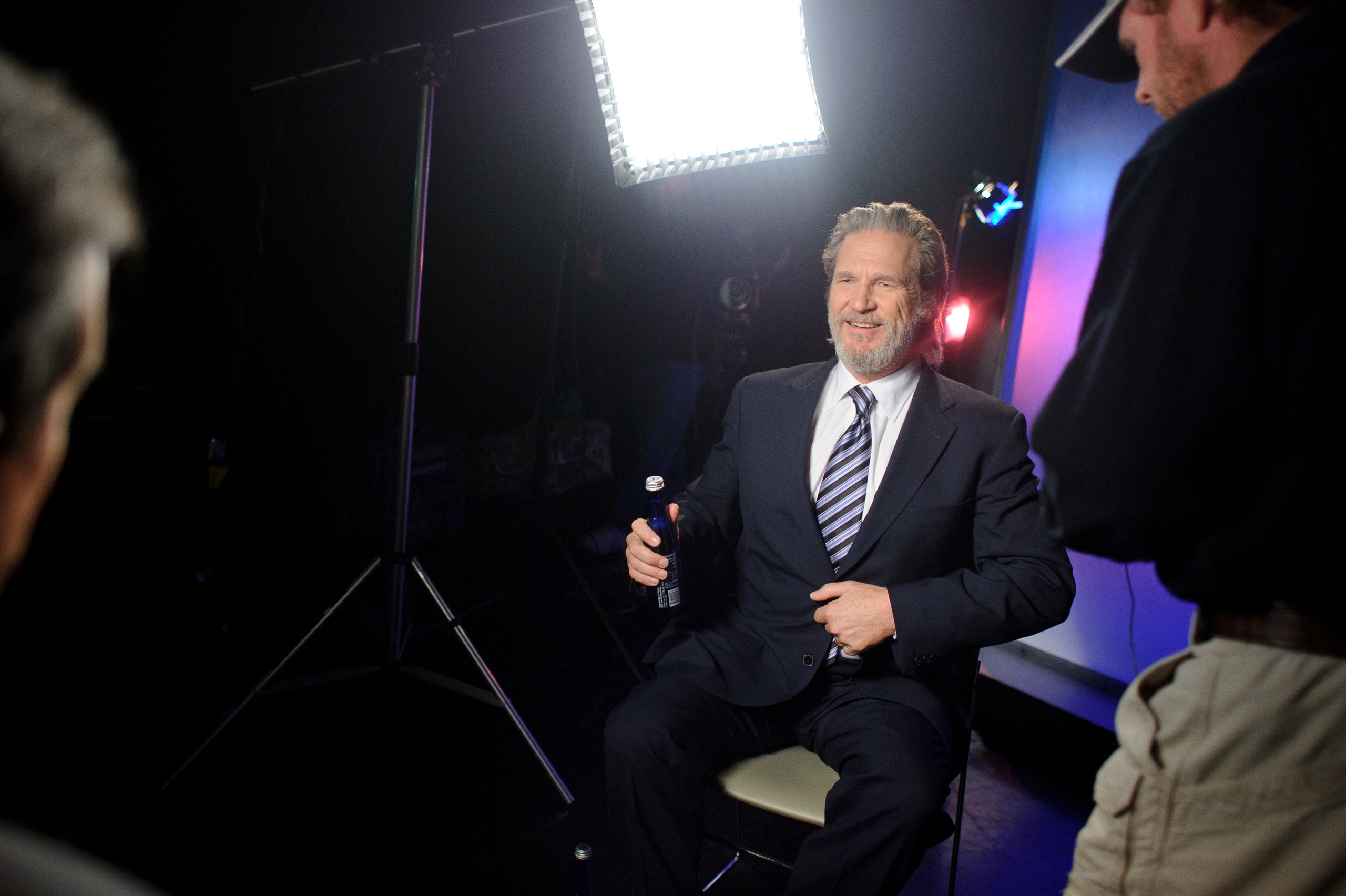
Create a portrait in the chaos of a broadcast studio environment using my own lighting for the first time, rather than relying solely on whatever the TV crews had set up.
The Vision
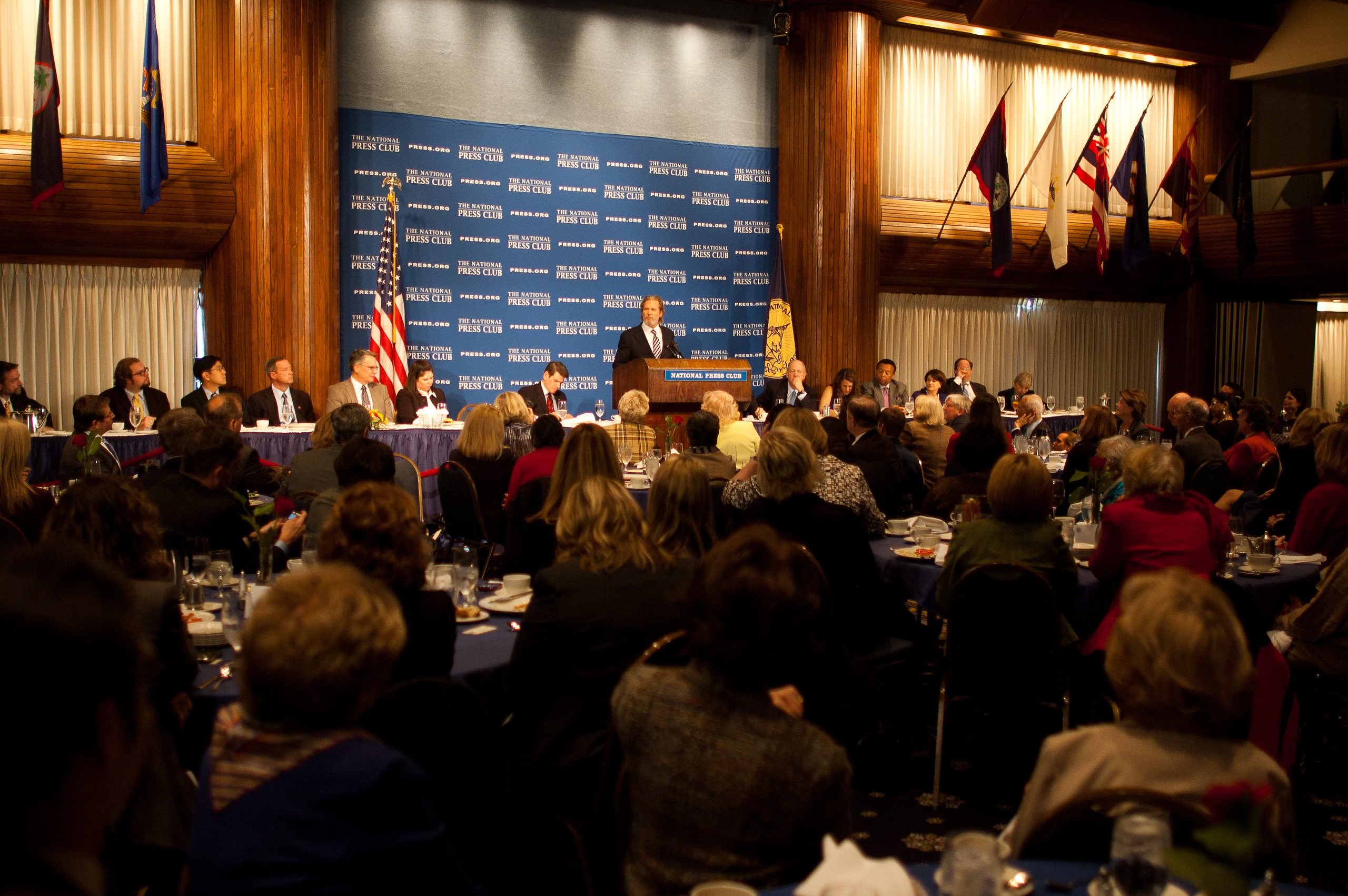
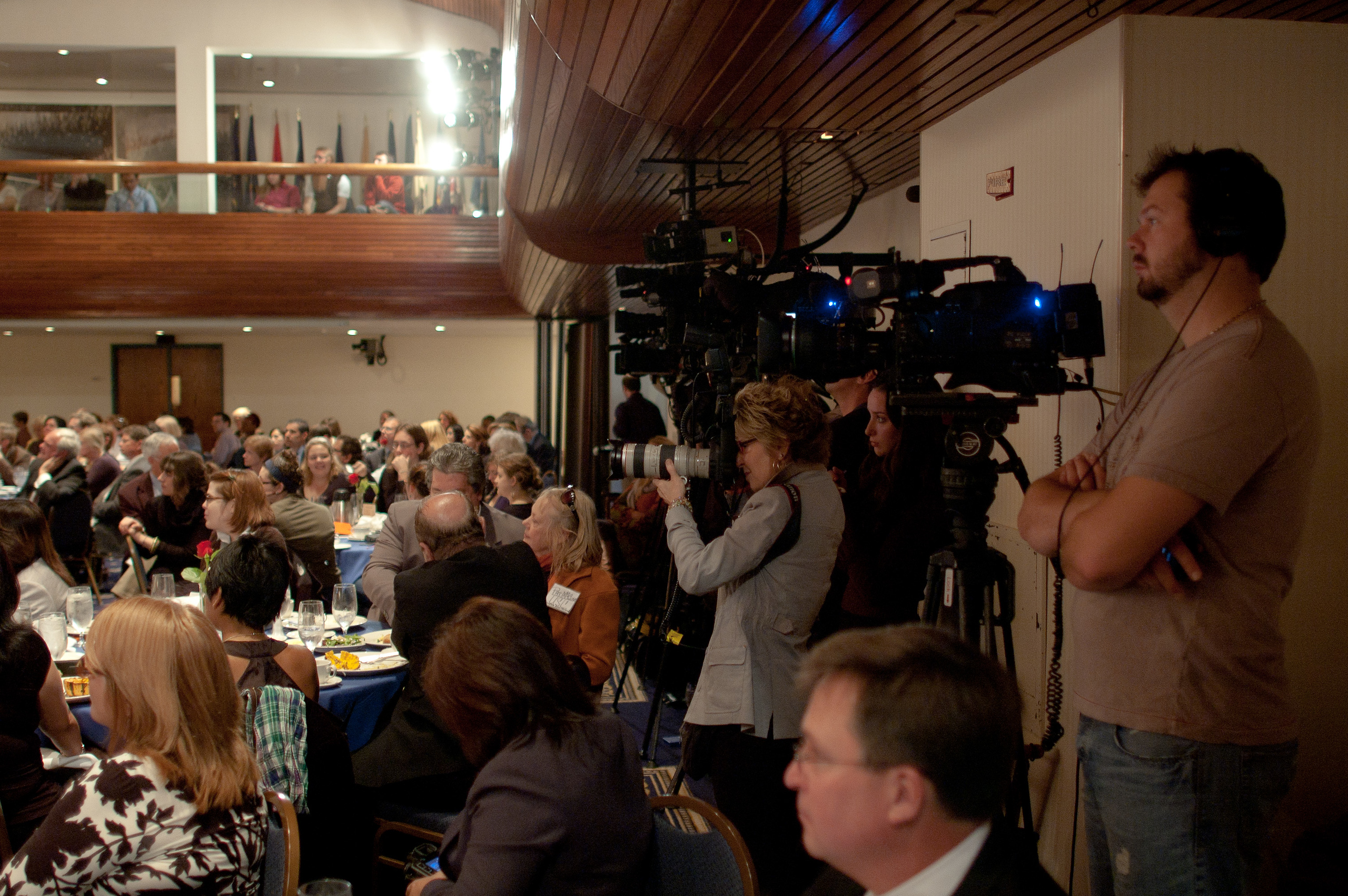
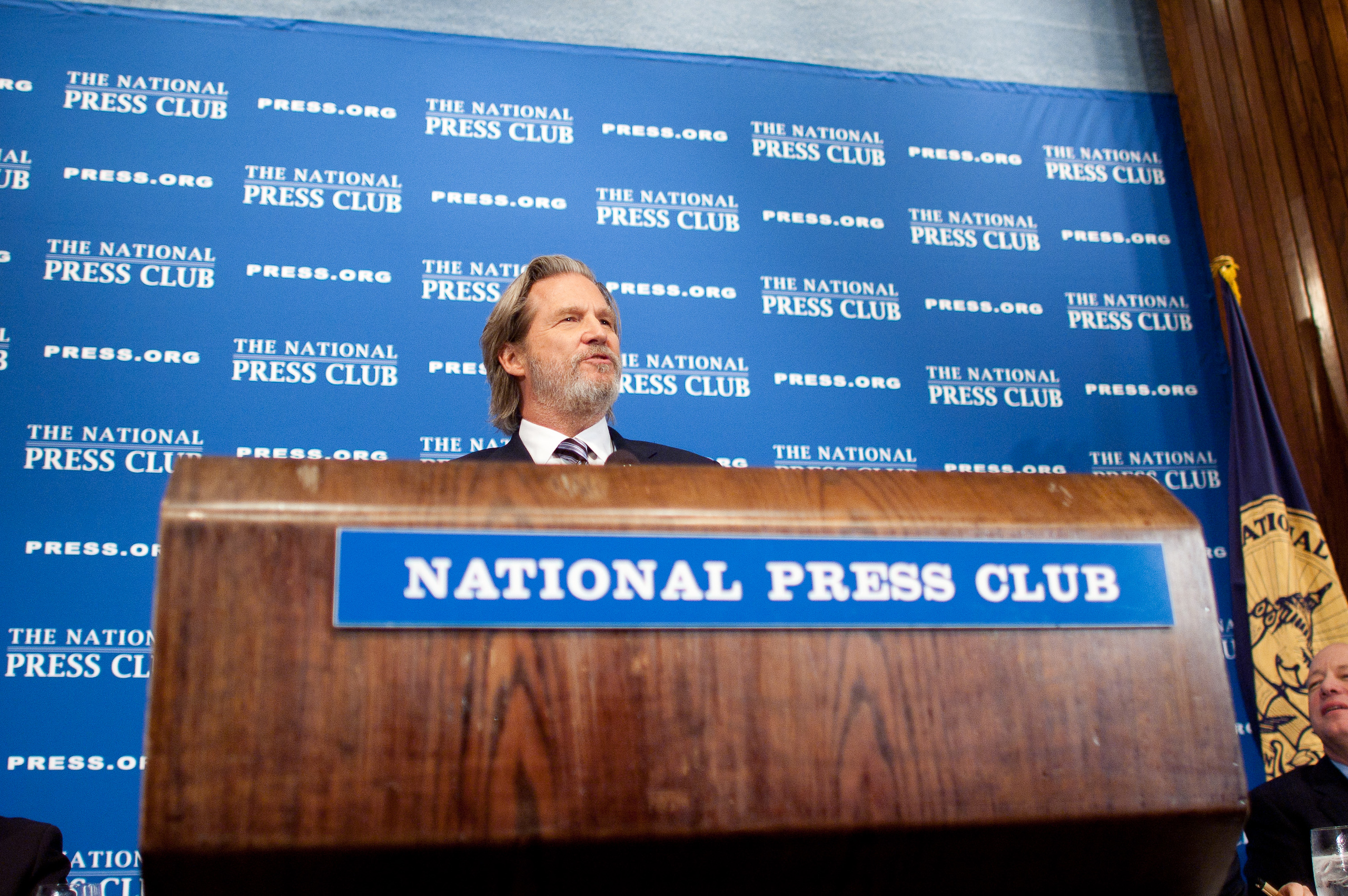
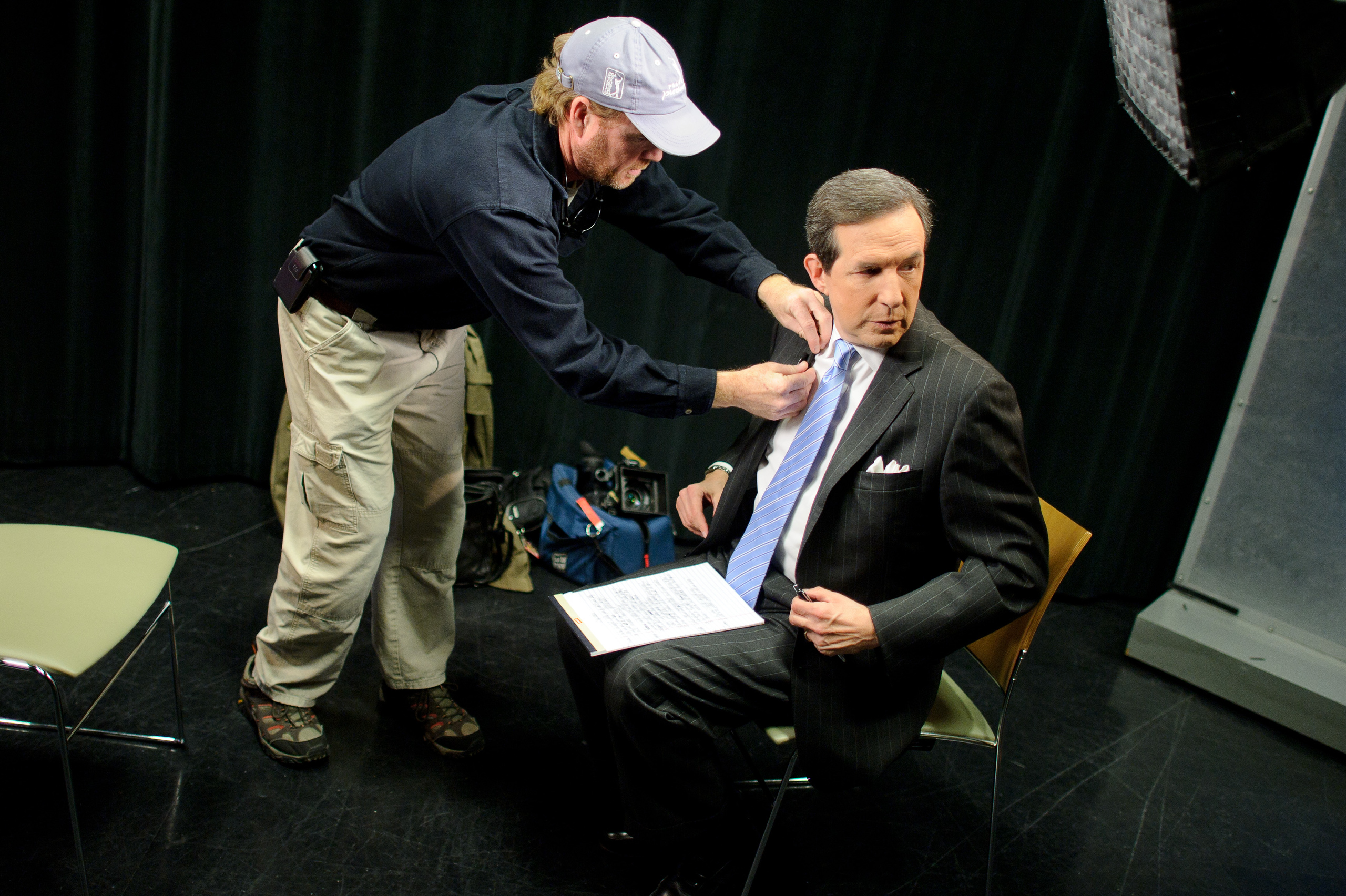
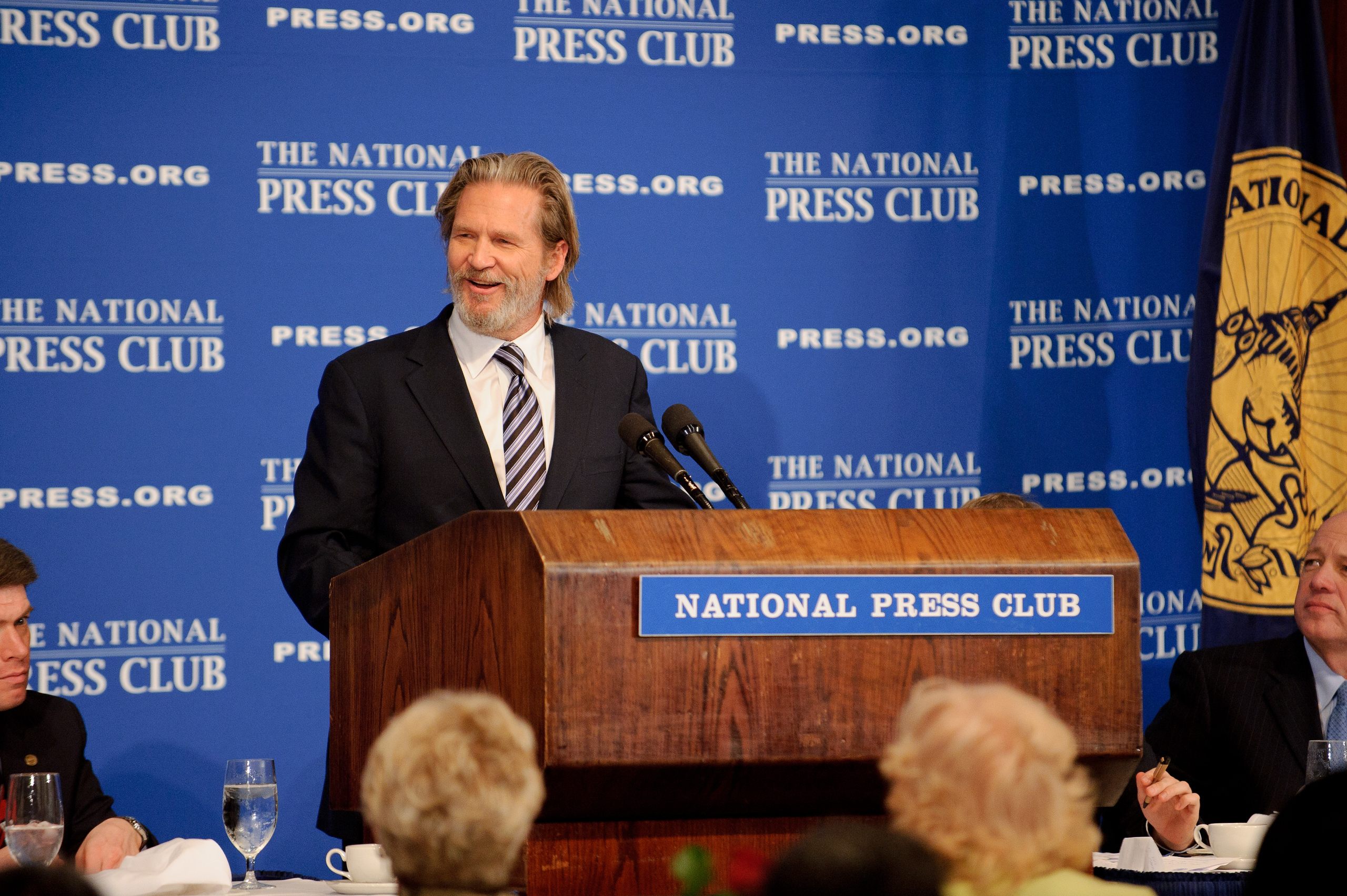
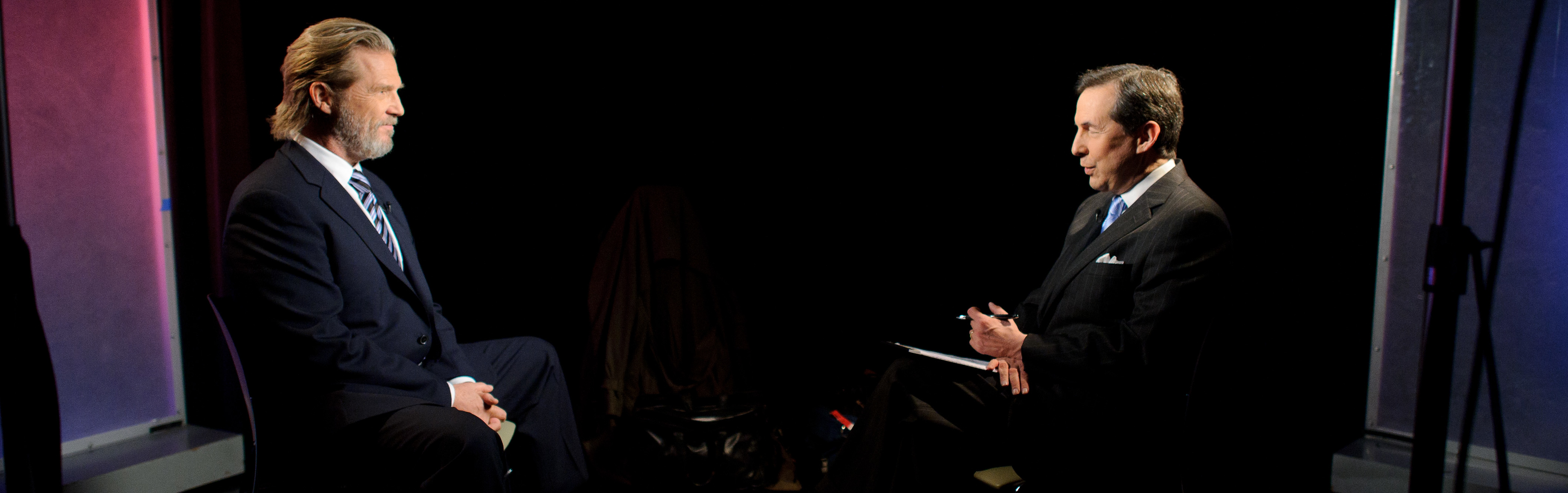
This was shot in the broadcast center at the National Press Club, where TV crews were conducting interviews throughout the day. The space is a controlled environment… less chaotic than the main event, with downtime between takes and interviews. I saw an opportunity.
For the first time at a Press Club event, I brought my own off-camera light. The Paul C. Buff Einstein units had just been released, and I was eager to try mine in a real-world situation. I set up my Octobox behind him as a subtle separation light. For the key, I used one of the studio lights already in place… you can see it reflected in his eyes. And for fill, I repurposed the broadcast backdrop itself. When the interview lights were off, that gray-blue panel behind the seating area acted as a large reflector, bouncing just enough light back to open up the shadows on the left side of his face.
The black and white conversion was inevitable. That grizzled beard, the weathered skin, the deep lines in his face… this was a portrait that demanded monochrome. Color would have been a distraction. In black and white, every wrinkle becomes texture, every gray hair becomes silver, and the image takes on a timeless quality that suits who he is.
One technical note: shooting at 160mm on a telephoto compresses features and flattens faces. It’s great for isolation and background separation, but it can make portraits feel a bit two-dimensional. In post, I added a subtle barrel distortion… the inverse of the pincushion effect… to give the image more of the dimensional “bulge” I get naturally from a 50mm lens. It’s a small adjustment, but it brings back some of the depth that telephoto compression removes.
The Story
Jeff Bridges came to the Press Club to launch the No Kid Hungry Campaign, a nationwide effort by Share Our Strengthto end childhood hunger in America by 2015. He was the national spokesperson, and this was the official kickoff.
The luncheon was sold out. The ballroom was packed. TV crews were everywhere. This was a full Press Club production… receiving line, luncheon address, Q&A session, the works. He was still wearing the long hair and beard from his Oscar-winning role as Bad Blake in Crazy Heart… he’d won Best Actor just eight months earlier. The look suited him. It suited this cause.
Nearly 17 million American children were living in food-insecure homes at the time. Bridges had been fighting hunger for decades… he’d founded the End Hunger Network back in 1983. But this campaign was different. It wasn’t asking for new programs or new funding. It was about connecting kids to programs that already existed but weren’t reaching them. Only half of eligible children were getting free school breakfast. Only 15 percent were getting summer meal assistance.
When a reporter asked him what his biggest challenge had been as a famous person, Bridges paused for a long time. Then he got visibly emotional. “This is the most significant thing I have ever done,” he said.
Maryland Governor Martin O’Malley was there too, becoming the first governor to commit to ending childhood hunger in his state within five years. The event had political weight, celebrity power, and genuine emotion. It was one of those days where you could feel that something real was happening.
The Personal Note
I didn’t find Bridges intimidating, even though the event was chaotic. I knew of him as an actor, but he was slightly before my generation… I hadn’t grown up idolizing him the way some people had. That actually helped. When you’re not starstruck, you can focus on the work.
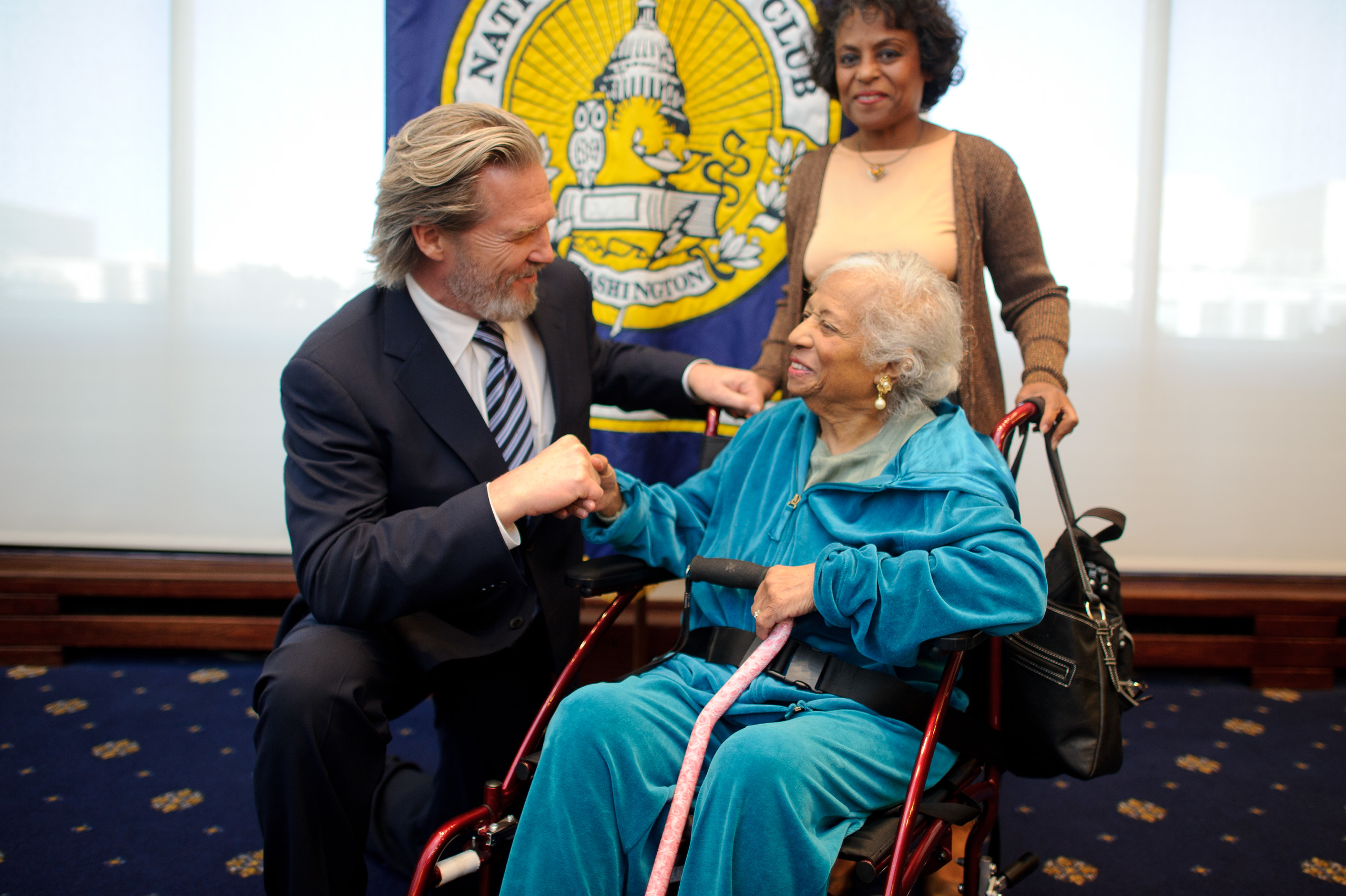
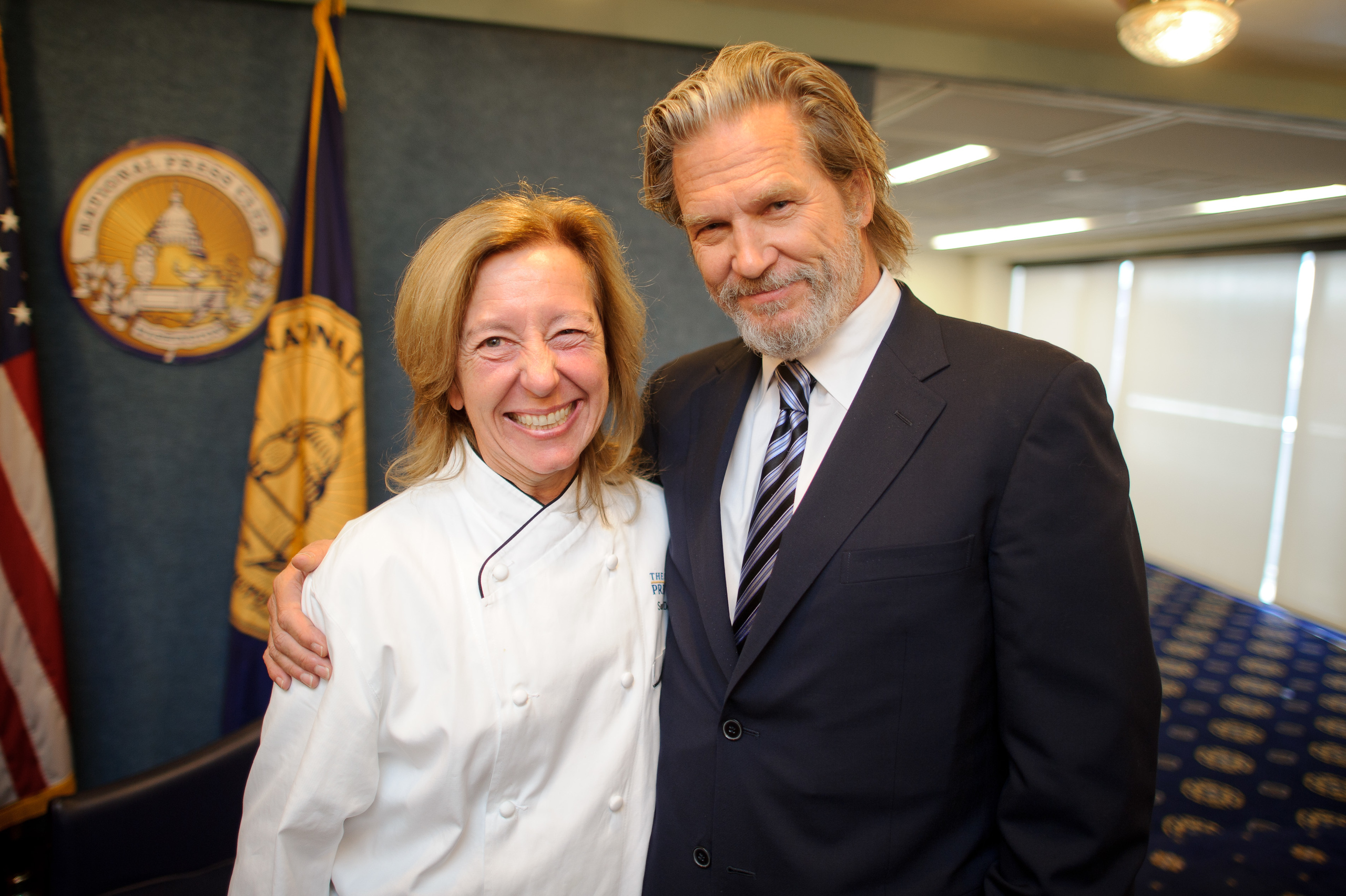
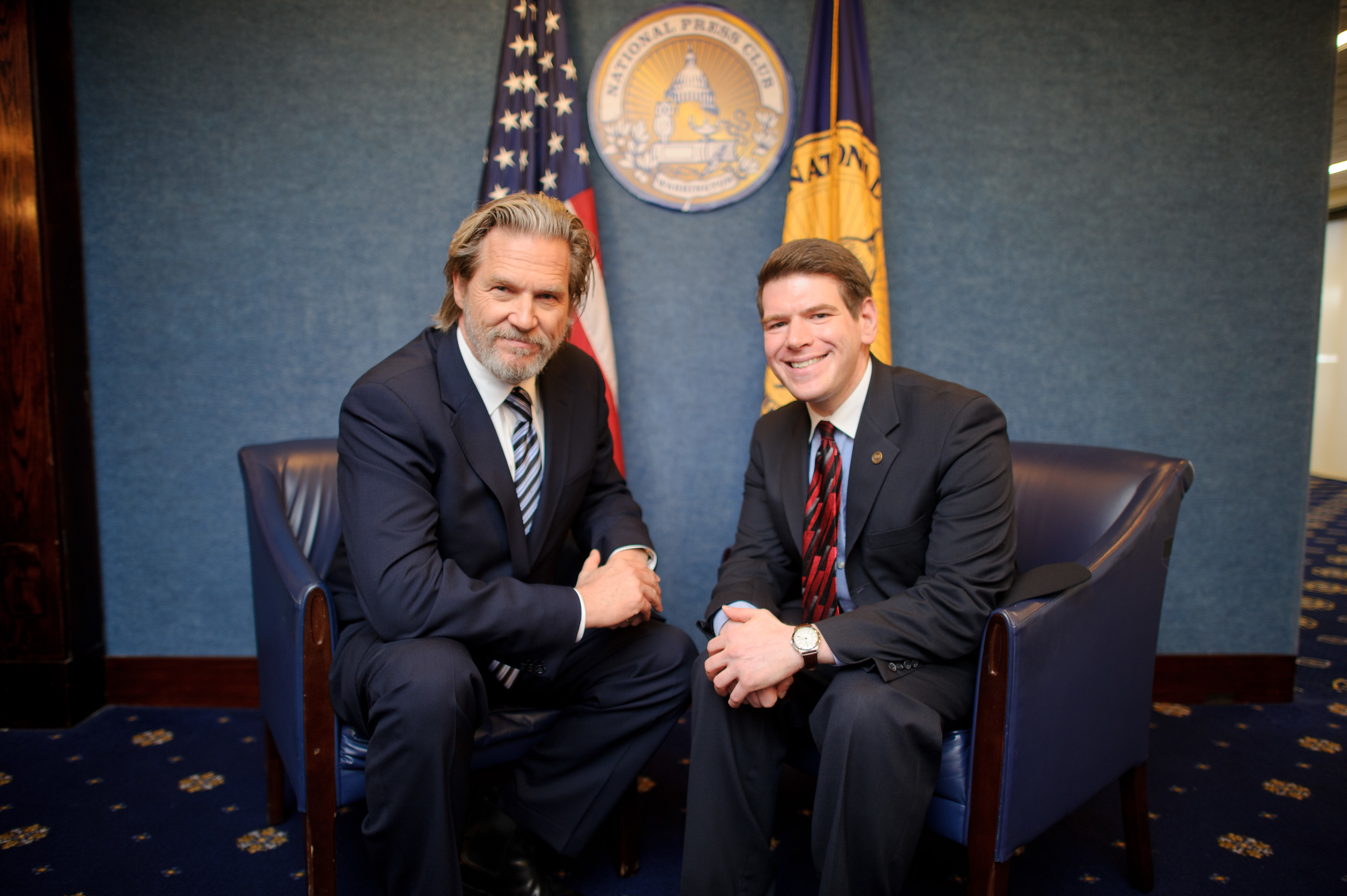
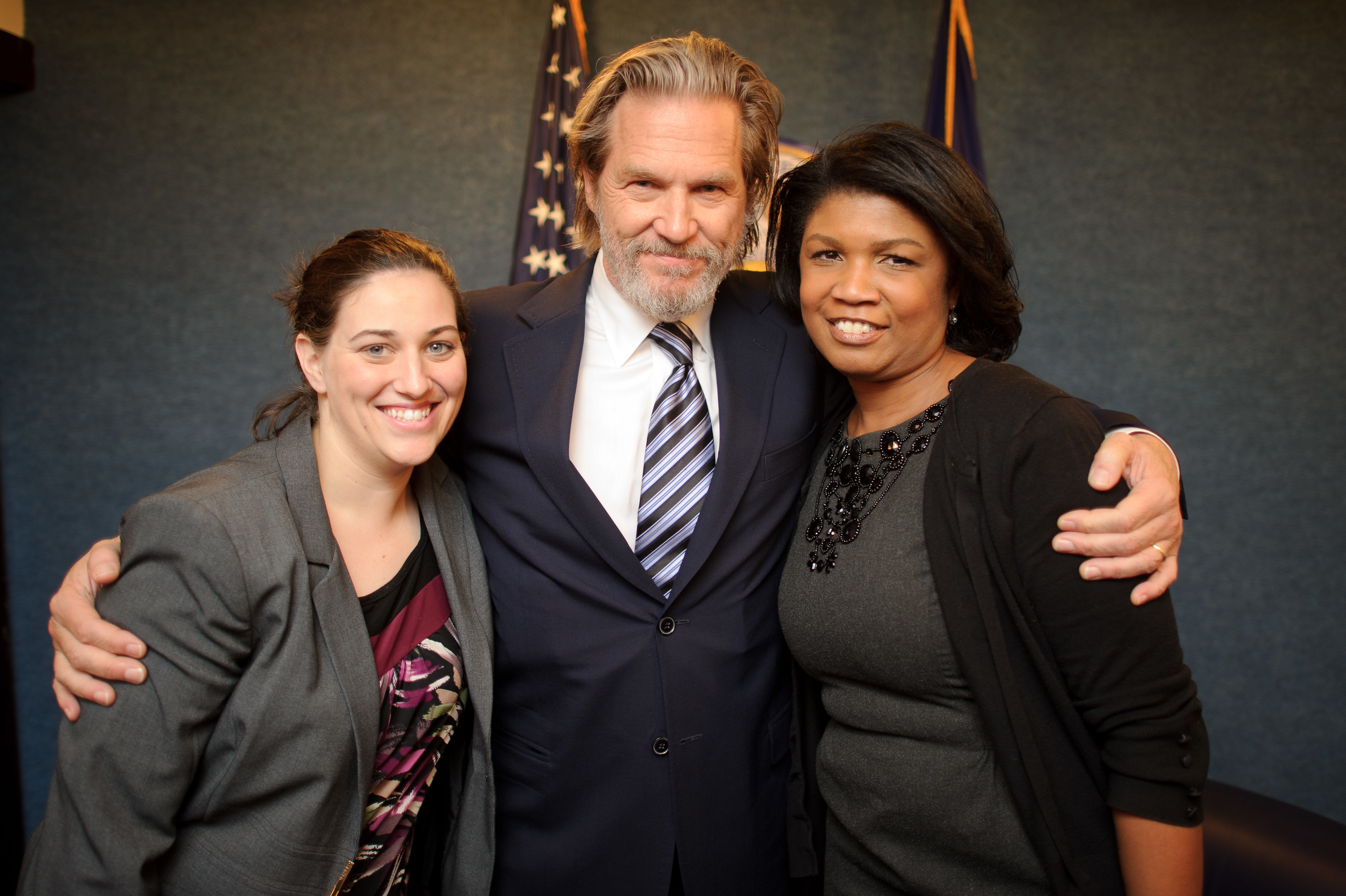
He was incredibly gracious. Took photos with everyone… staff, attendees, anyone who asked. Even with the circus around him, he made time for people. That’s rare at events like this.
I regret now not getting a selfie with him. At the time, it didn’t seem important. But watching his work in the years since… True Grit, Hell or High Water, The Old Man… he’s only gotten better as an actor. He’s become one of those performers whose presence elevates everything he’s in. A selfie from 2010 would mean something different now than it did then.
The Lesson
Bring your own light. Even when there’s a full broadcast setup already in place, having your own gear gives you options. The studio lights were designed for TV interviews, not portraits. My Einstein and Octobox let me add dimension and separation that the existing setup couldn’t provide.
But the bigger lesson is about using what’s already there. That gray-blue backdrop panel wasn’t meant to be a reflector. It was meant to glow purple during interviews. But with the interview lights off, it became a giant fill card. The best event photographers don’t just bring gear… they see potential in the environment itself.
The technical lesson about distortion is one I still use: telephoto compression flattens faces. If you want to restore some of that three-dimensional quality, a subtle barrel distortion in post can help. It’s not something you’d notice consciously, but it makes the image feel more alive, more present.
And the human lesson: take the selfie (if the moment feels right and the person seems up to it)!! You never know which encounters will mean more to you later than they do in the moment.
The Epic Portrait Series