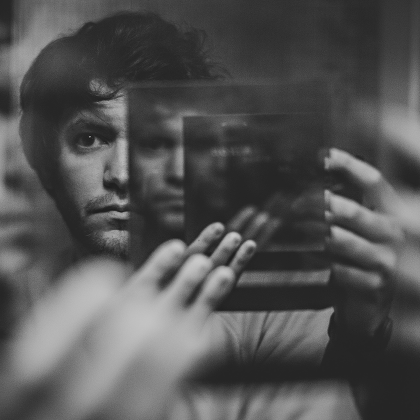
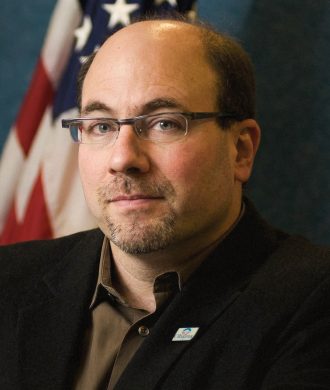
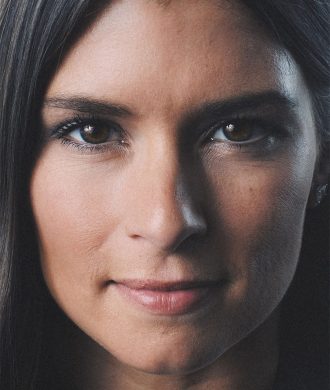

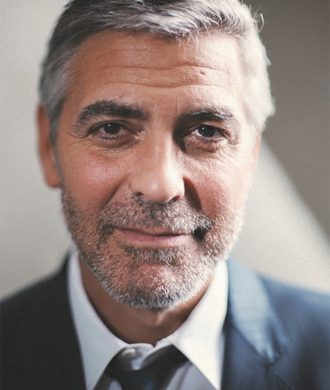
Starting as a political news and celebrity portrait photographer in DC, Sam was instantly drawn to wedding photography as a space to promote more inventive ideas. Sam’s focus is on photographic techniques that are deceptively simple but have the potential to transform difficult or uninspiring shooting environments into one-of-a-kind opportunities for every photo made.

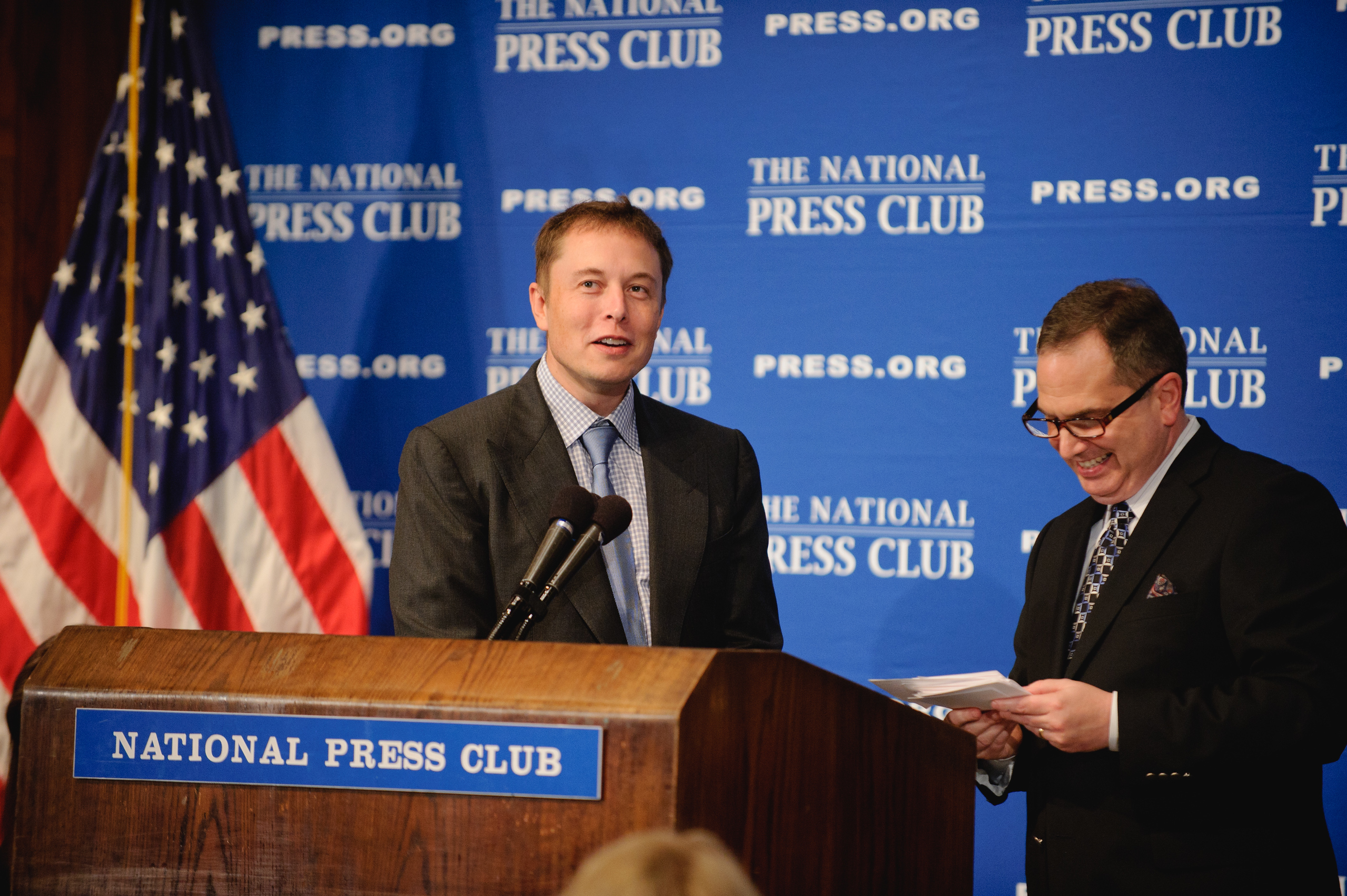
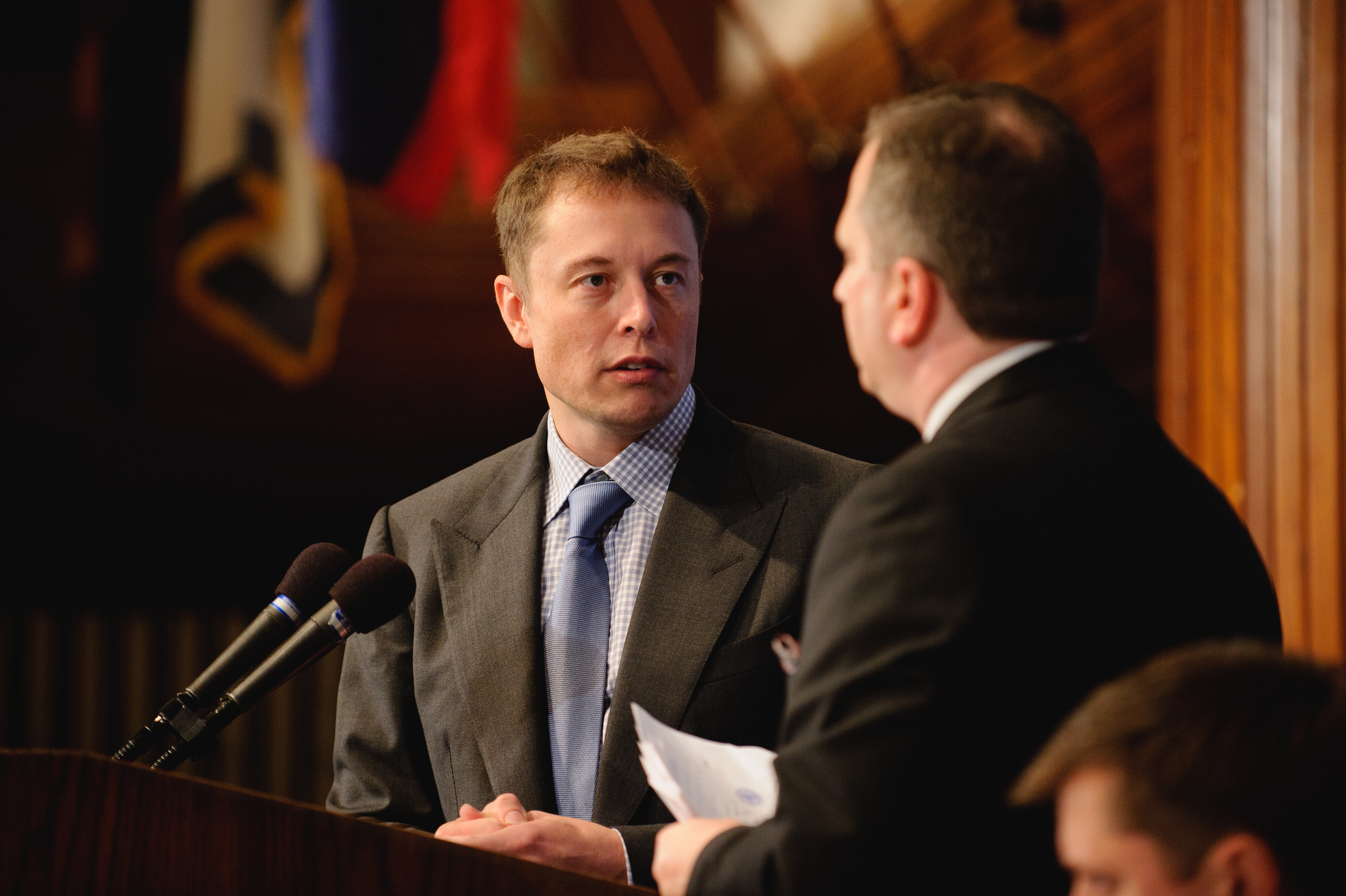
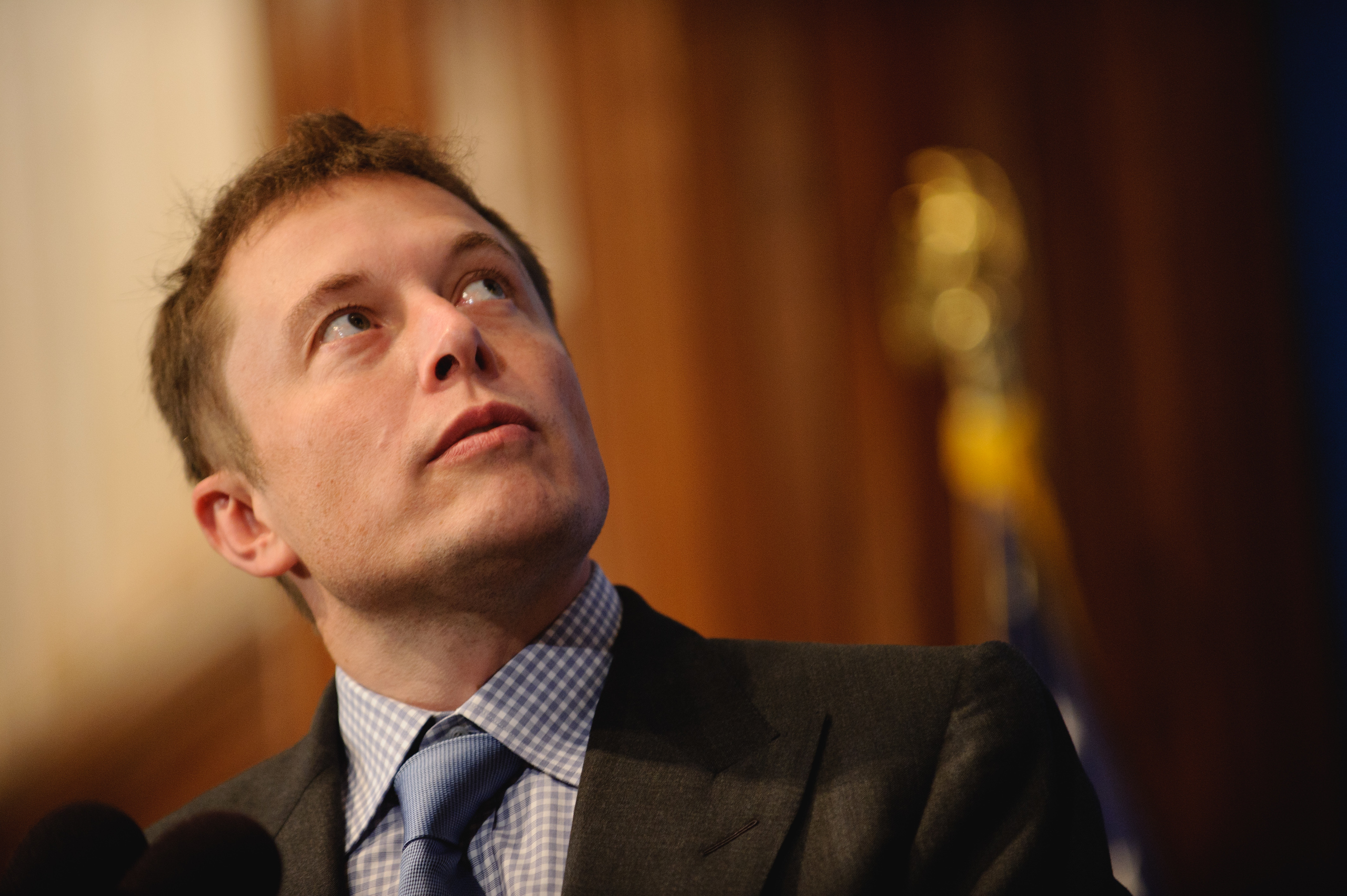
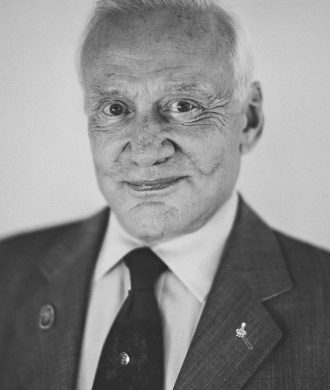
Elon Musk – September 29, 2011 (Upscale embedded with SynthID)
The Gear
Lens: Nikon AF-S NIKKOR 70-200mm f/2.8G ED VR II at 200mm
Camera: Nikon D3S
Settings: 1/250, f/2.8, ISO 2000
Lighting: Stage lighting (available light)
Processing: Black and white conversion with Alien Skin Exposure for film grain
The Goal
Capture a quick portrait using only the available stage lighting, immediately after a historic announcement.
The Vision
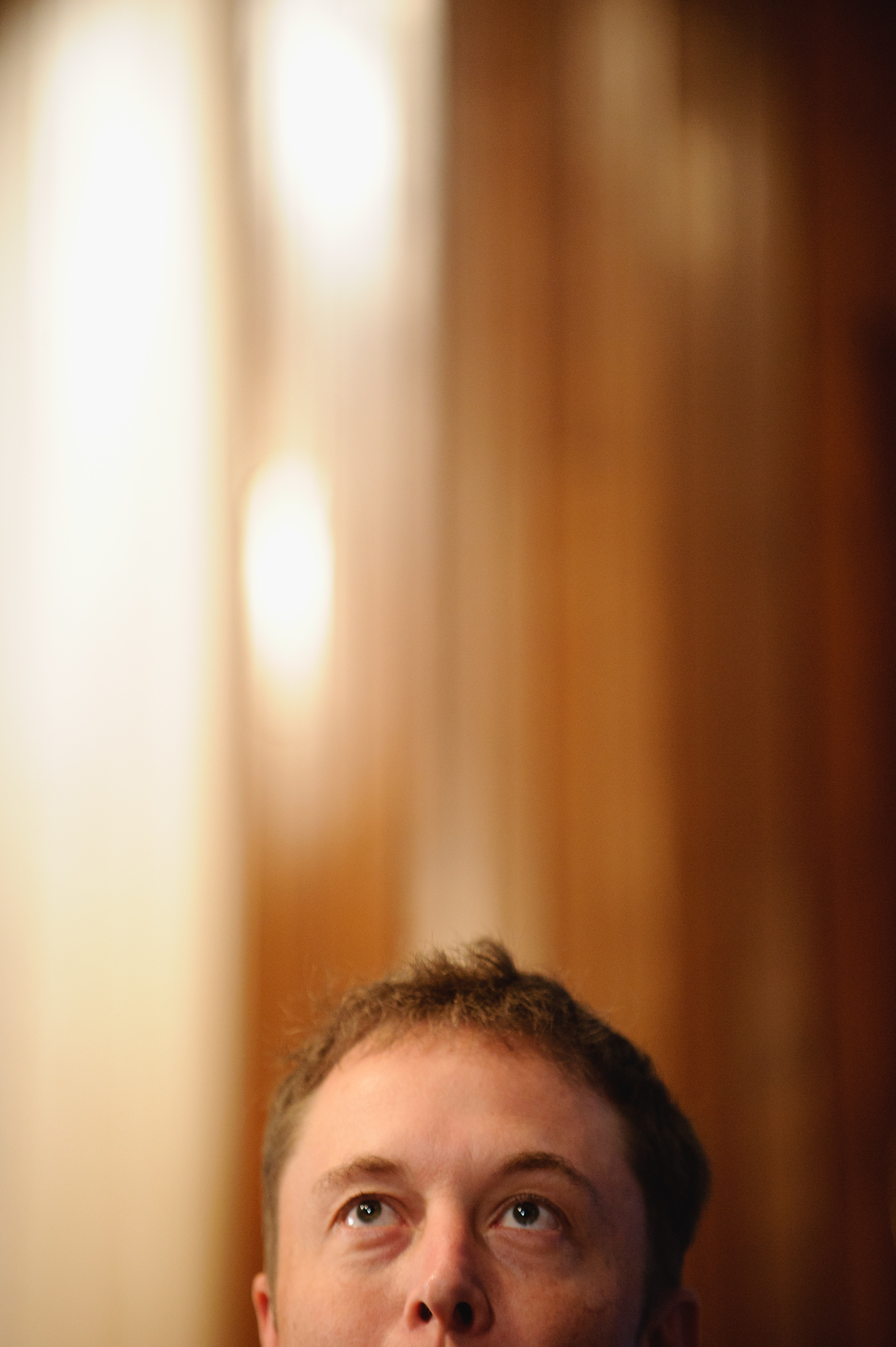
This wasn’t a planned portrait session. It was a grab shot on stage right after the speech ended, using whatever lens I had on me and whatever light happened to be there. The stage lighting was doing most of the work… I just had to position myself to take advantage of it.
I went with black and white in post because the color wasn’t doing anything for the image. The stage lighting was functional, not beautiful. But converting to monochrome and adding some film grain through Alien Skin Exposure gave it a timeless quality that felt more appropriate for what turned out to be a landmark moment in spaceflight history.
The upward gaze in one of the frames happened naturally… he was looking at something in the room, probably a screen or the balcony. But in retrospect, there’s something fitting about capturing a man talking about reaching the stars while his eyes are literally pointed toward the ceiling.
The Story
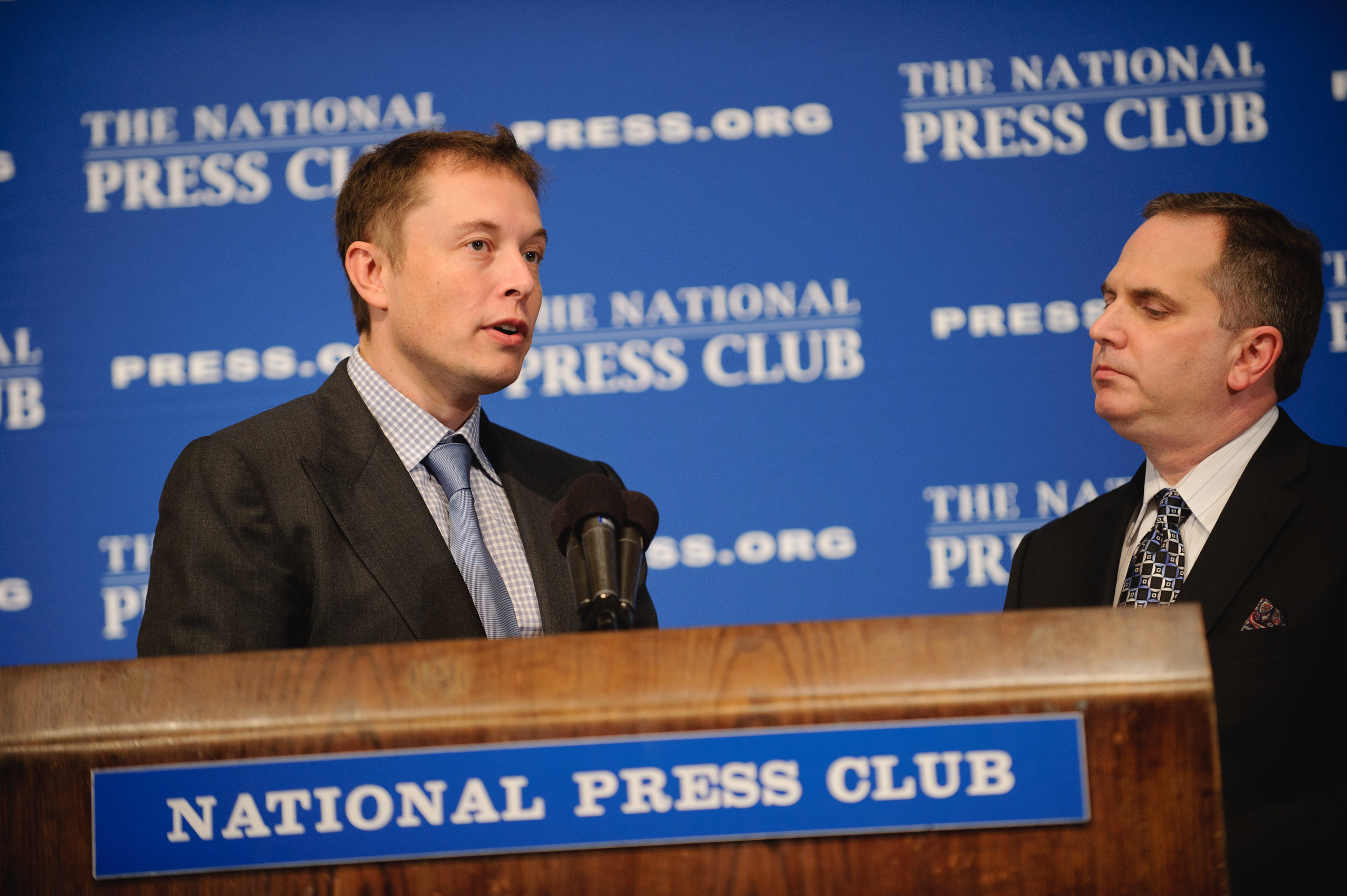
I’ll be honest… I didn’t fully grasp what I was witnessing. On September 29, 2011, Elon Musk stood at the National Press Club podium and announced that SpaceX would develop fully reusable rockets. He described a system where the first stage would separate, fall back, reignite its engines, and land vertically on the launch pad. He called it “super-damn hard.”
At the time, this sounded like science fiction. Rockets had always been disposable… you launched them, they did their job, and the pieces fell into the ocean. The idea of landing one upright like something out of a 1950s sci-fi movie seemed absurd to most people in the industry.
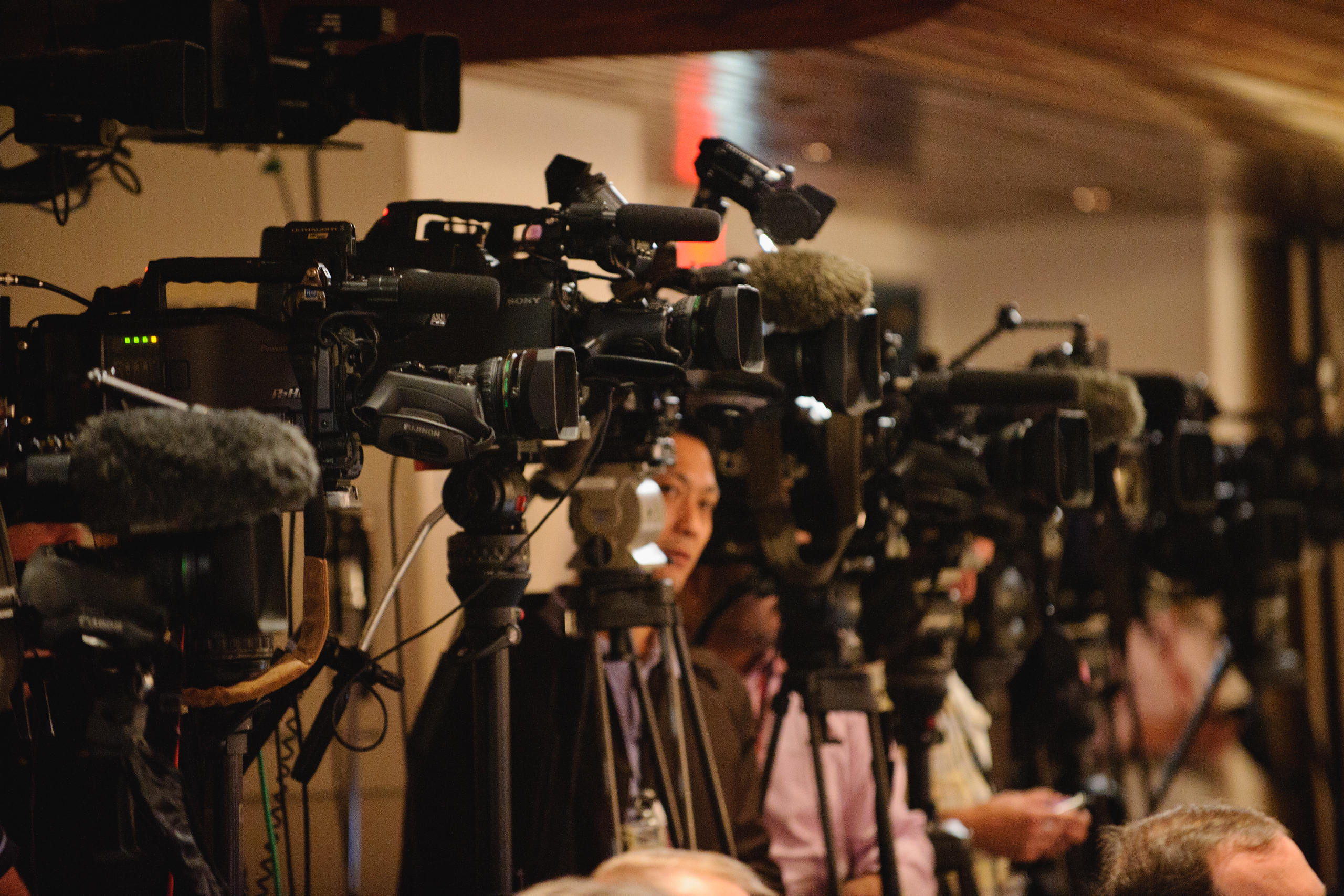
The event was officially about SpaceX’s upcoming November flight to the International Space Station… the first private mission to ISS for NASA. But the reusable rocket announcement was the real news. The room was packed with cameras. This was the moment SpaceX went from “interesting startup” to “company that might actually change everything.”
Musk wasn’t yet the figure he is today. He was famous enough to fill the Press Club ballroom, but not so famous that there was a receiving line or heavy security. The format was standard… sit down, sign the guest book, give the speech, take questions. Afterward, I approached him on stage for a quick portrait. The interaction lasted maybe thirty seconds.
Thirteen years later, Elon Musk is super controversial (especially in DC) and SpaceX routinely lands rocket boosters on drone ships in the middle of the ocean. What sounded impossible in 2011 is now almost boring in its regularity. I photographed the announcement before anyone knew if it would actually work.
The Personal Angle
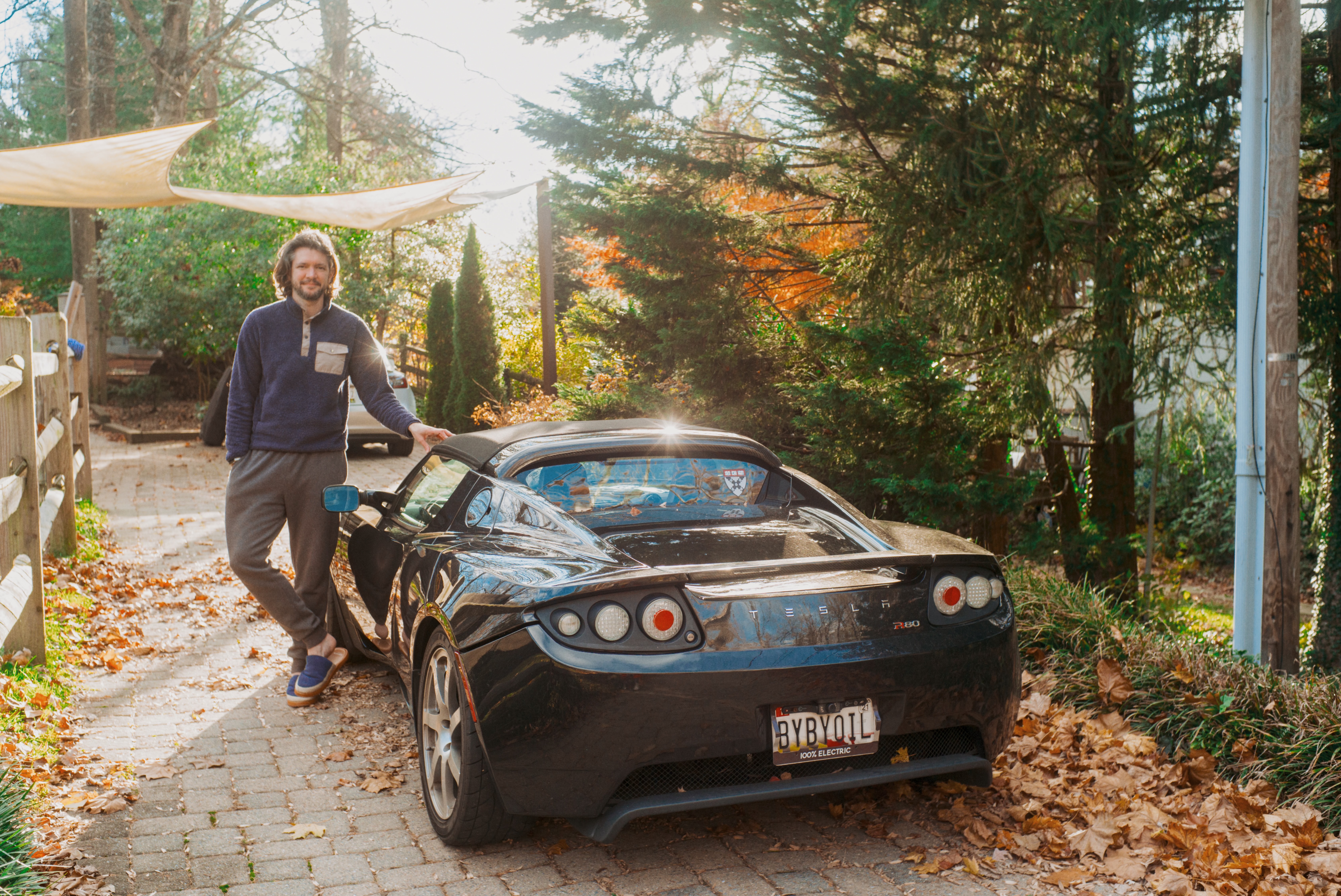
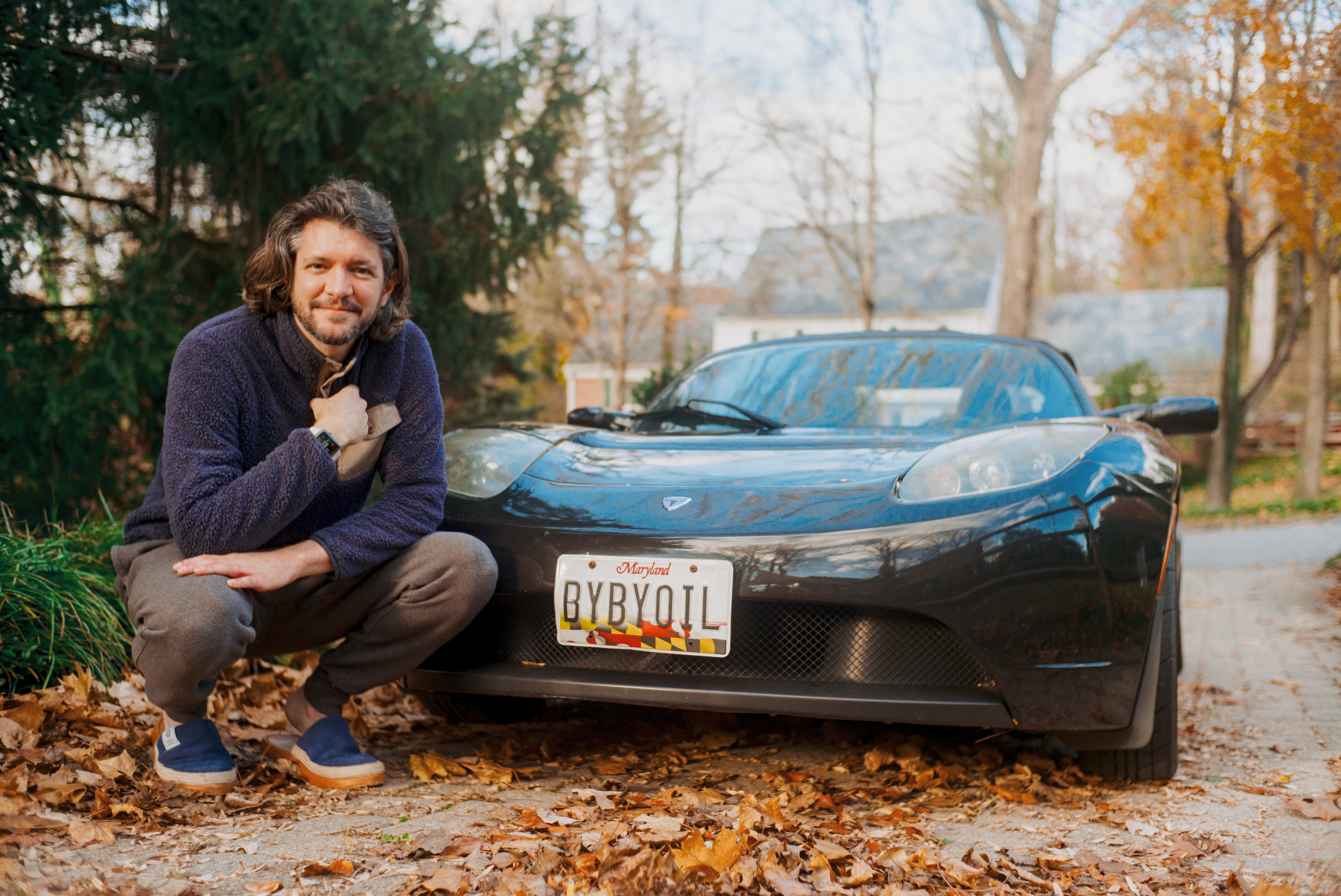
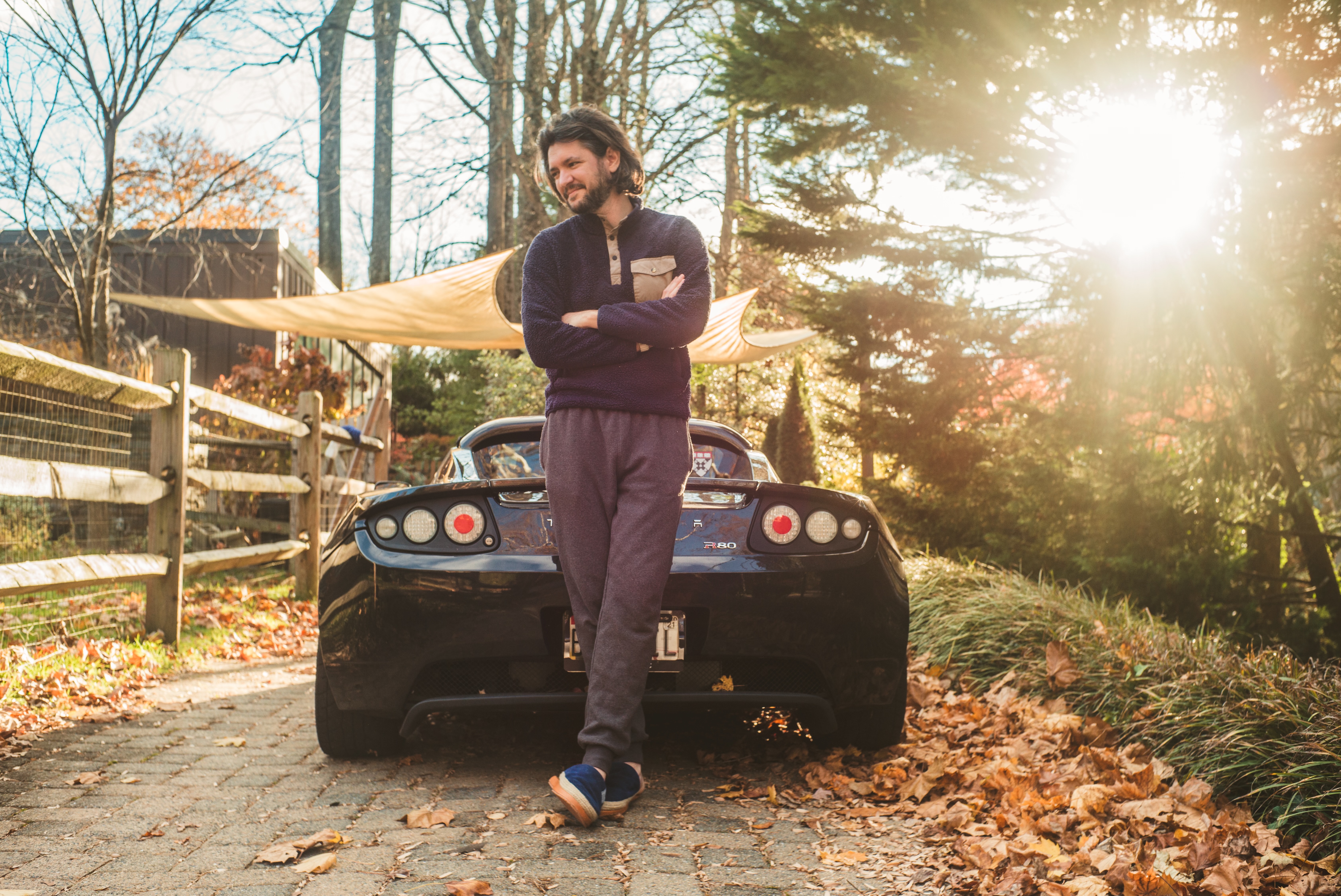
This event changed my life in a small but meaningful way. After photographing Musk and researching more about Tesla and electric vehicles, I became a believer. A few years later, I bought a Tesla Roadster… number 1100 or so out of roughly 2,450 ever made.
I found the car through a Tesla service mechanic in Honolulu who couldn’t charge it easily… he lived in a condo without convenient charging access. The car had been upgraded with an R80 battery pack, a $20,000 service center upgrade that nearly doubled the original range. It was a special machine.
I owned it through 2021, during the strange window when both Tesla and Musk were viewed favorably across the political spectrum. COVID had made everyone appreciate the outdoors, electric vehicles felt like the future, and SpaceX was landing rockets and launching astronauts. It was a good time to own a piece of that history.
But the Roadster had nearly doubled in value from what I paid, and I didn’t have a garage to protect it properly. Selling it felt responsible. It still breaks my heart. I loved that car in a way that’s hard to explain… the way it looked, the way it drove, the statement it made with that “BYBYOIL” plate.
Looking at these photos now, I’m struck by how much has changed. Musk in 2011 was a tech entrepreneur with big dreams. The Roadster was a curiosity that most people had never heard of. SpaceX was a company that might fail. Now rockets land themselves, Teslas are everywhere, and opinions about the man himself have become… complicated. Personally, I now find him despicable since purchasing Twitter.
But in September 2011, in that ballroom, it was just a guy at a podium talking about catching rockets. And I was there with my camera, not quite understanding that I was documenting the beginning of something that would reshape multiple industries and, in a small way, reshape my own relationship with technology and transportation.
The Lesson
Sometimes the most important images don’t feel important when you’re making them. This was just another Press Club luncheon, another speaker at the podium, another quick portrait grabbed with available light and whatever lens happened to be on the camera.
The technical lesson is simple: work with what you have. Stage lighting isn’t ideal for portraits, but it’s directional and it’s there. A 200mm telephoto isn’t a portrait lens, but it compresses backgrounds and isolates subjects beautifully. When you can’t control the conditions, adapt to them.
The bigger lesson took years to learn: document everything, even when you don’t understand its significance. Especially when you don’t understand its significance. History doesn’t announce itself. It just happens, and you either have the pictures or you don’t.
I photographed Musk again at another press conference in the Zenger Room at the Press Club, but I can’t find those images at the moment. They’re somewhere in my archive, unlabeled and forgotten. That’s the other lesson… organize your work. You never know which frames will matter!
The Epic Portrait Series