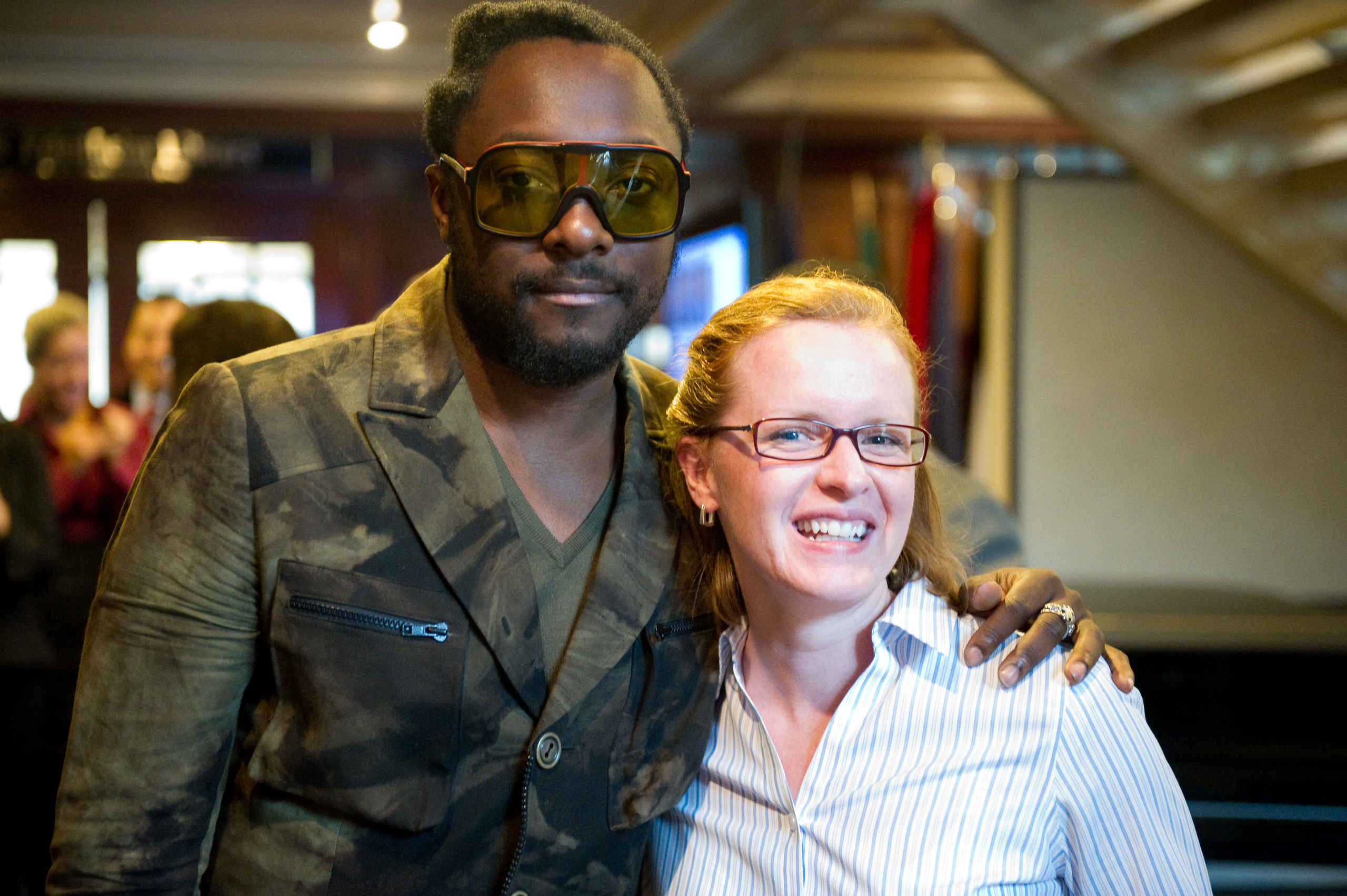
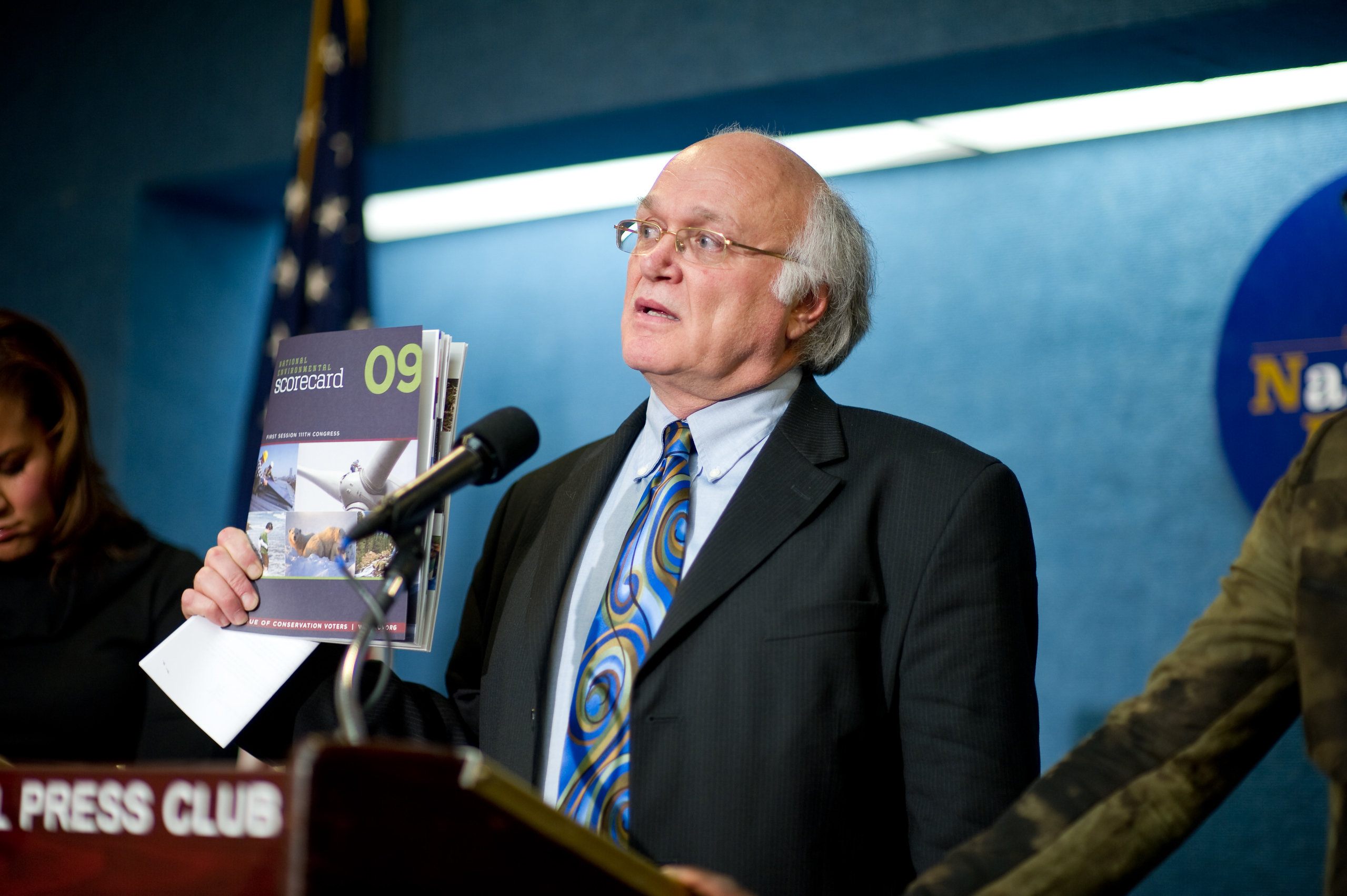
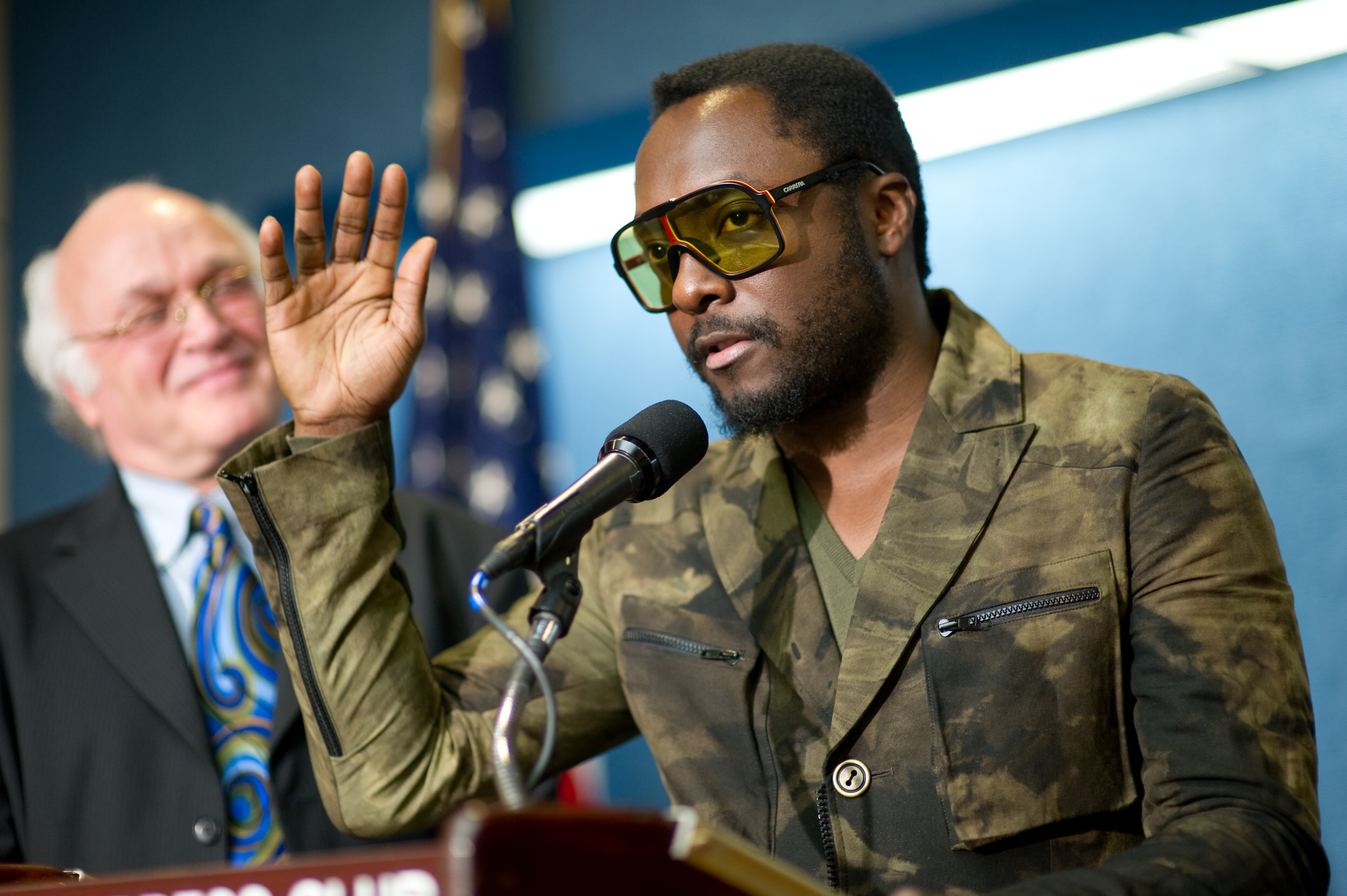
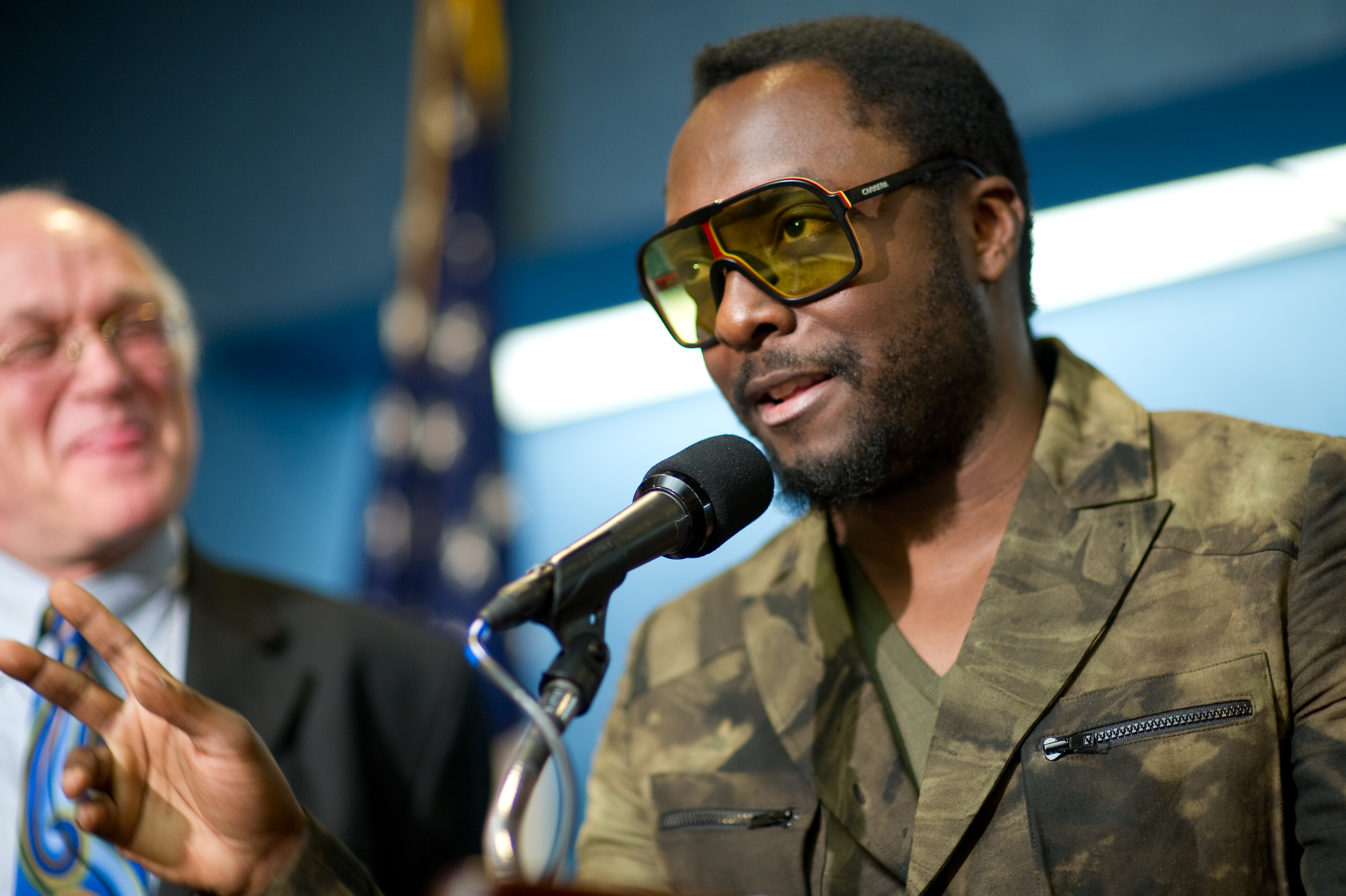

Starting as a political news and celebrity portrait photographer in DC, Sam was instantly drawn to wedding photography as a space to promote more inventive ideas. Sam’s focus is on photographic techniques that are deceptively simple but have the potential to transform difficult or uninspiring shooting environments into one-of-a-kind opportunities for every photo made.

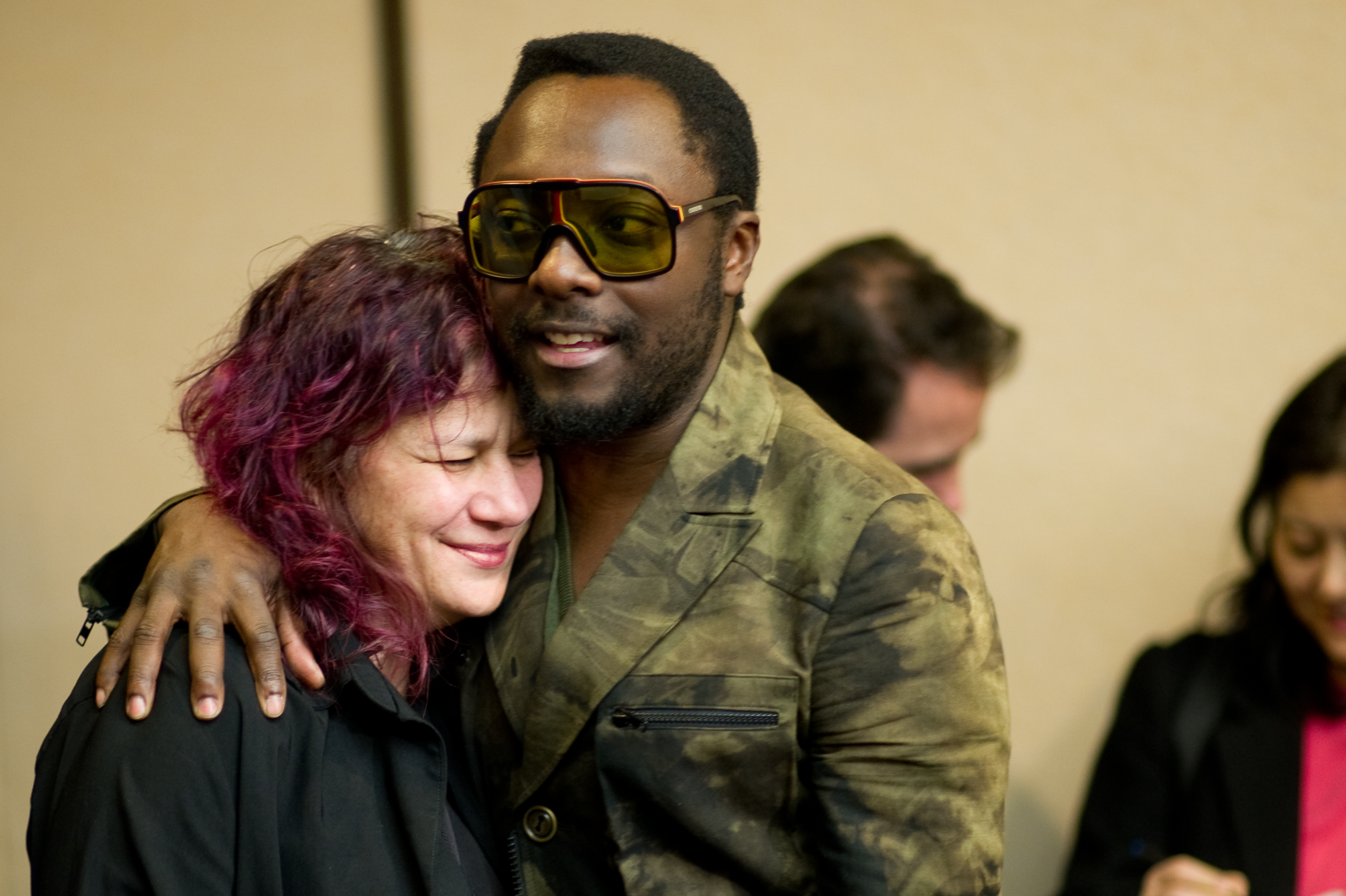
will.i.am – February 23, 2010 (Upscale embedded with SynthID)
The Gear
Lens: Nikon AF-S NIKKOR 24-70mm f/2.8G ED at 66mm
Camera: Nikon D3S
Settings: 1/125, f/2.8, ISO 16000
Lighting: Natural light from atrium windows
The Goal
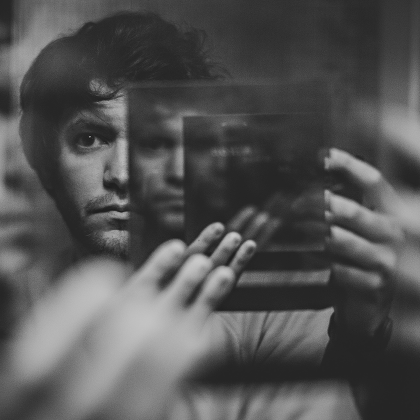
Create a portrait with the feel of shallow depth-of-field prime lens work using only a zoom and the available light of the Press Club lobby.
The Vision
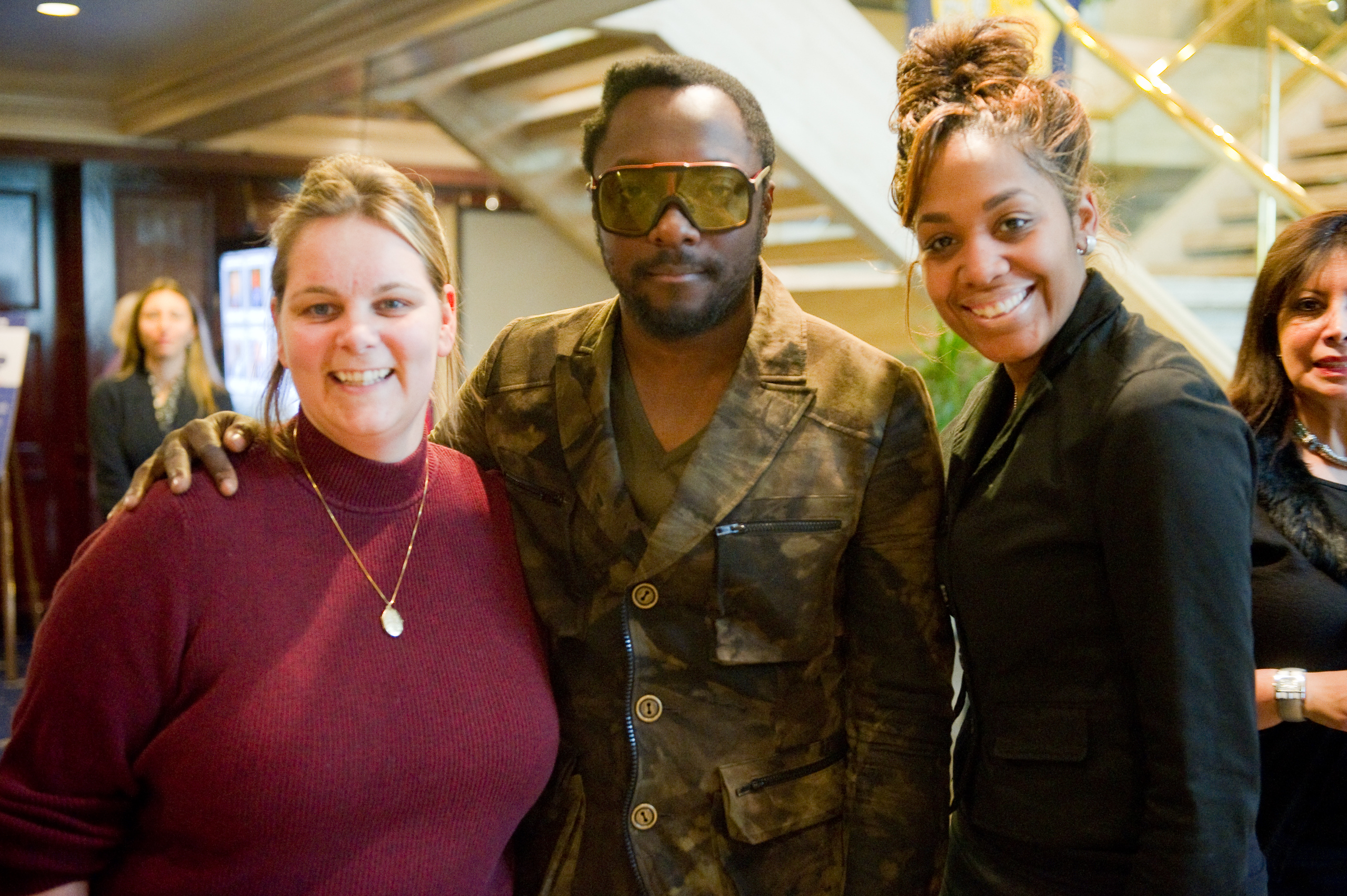
This portrait was made in the lobby of the National Press Club, right after he’d taken a few grip-and-grins with staff members. The lobby has a beautiful wall of windows looking into an atrium at the center of the building… that was my only light source.
At 66mm on the 24-70 and f/2.8, you’re not getting the paper-thin depth of field of an 85mm f/1.4. But depth of field is also a function of distance… specifically, the distance between your subject and the background. The Press Club lobby is deep. The background in this image is way back near the First Amendment Lounge, the entrance desk, the stairs. That separation, combined with the compression of shooting at the long end of the zoom, gives you meaningful bokeh even without a fast prime.
The black and white conversion was essential. It adds mystery, masks the fact that the depth of field isn’t impossibly shallow, and gives the image a timelessness that color wouldn’t have achieved. The D3S at ISO 16000 was pushing the limits of what that sensor could handle, but in monochrome, the noise becomes grain, and grain has character.
The Story
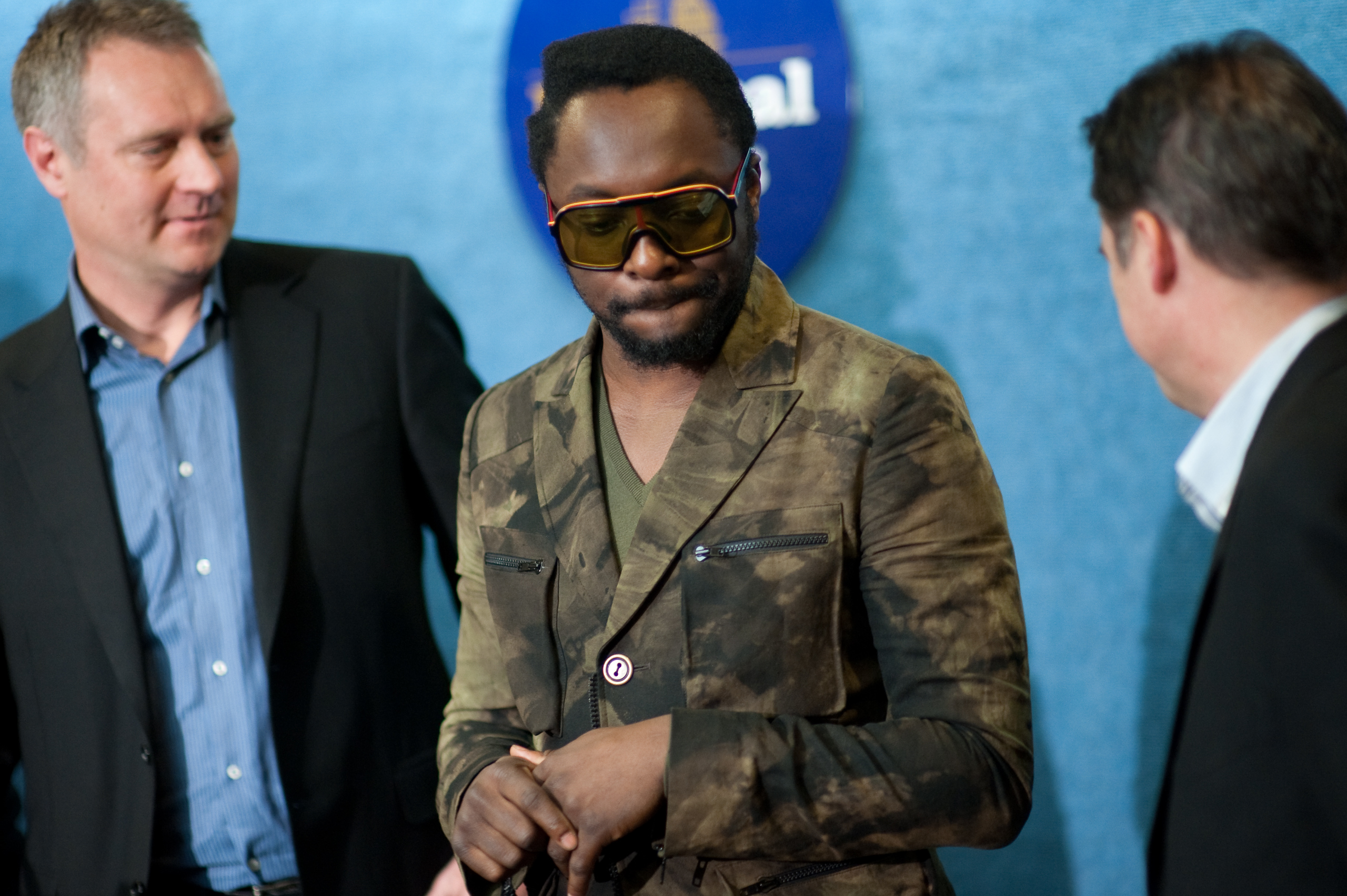
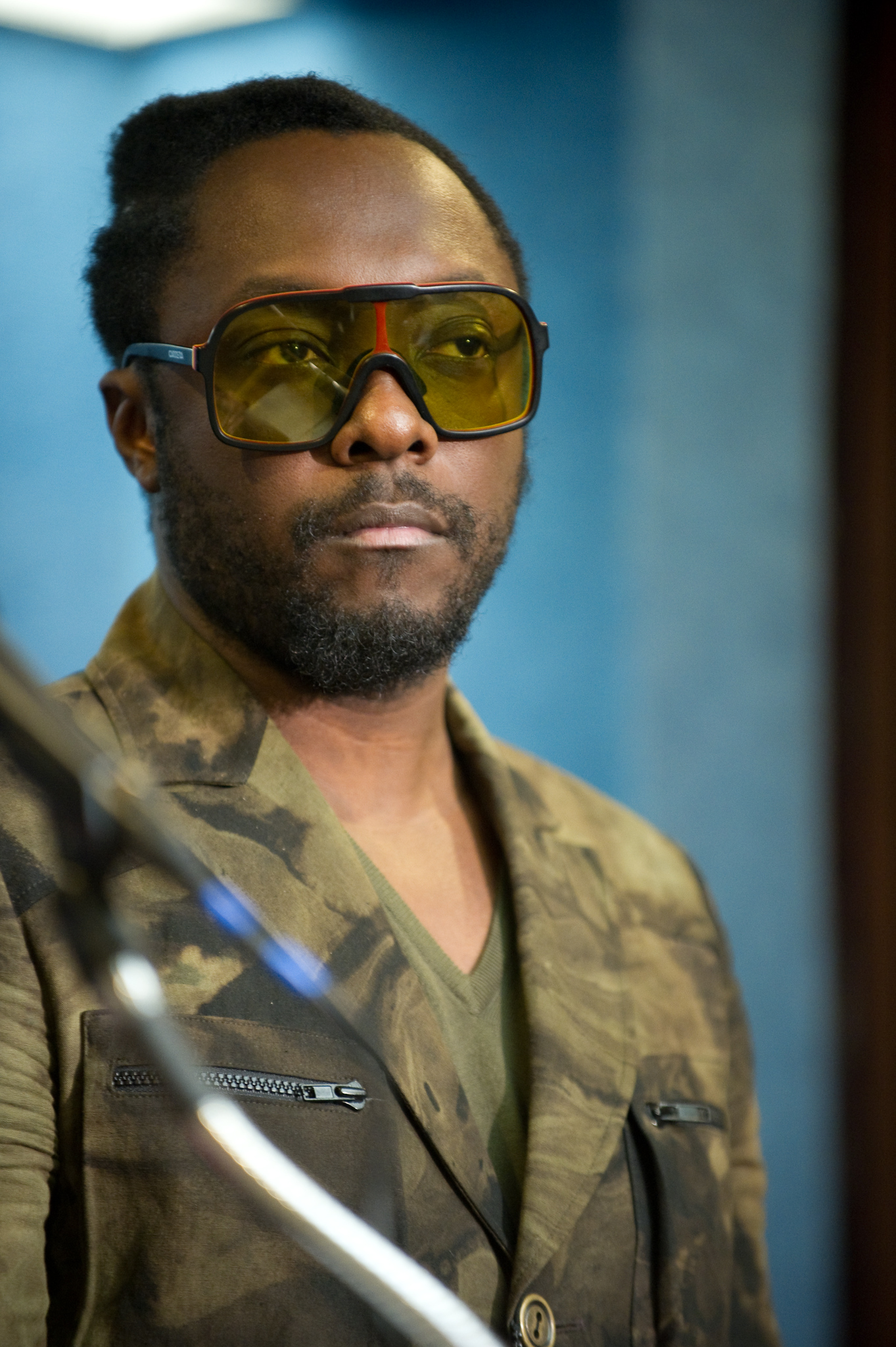
The League of Conservation Voters was releasing their 2009 National Environmental Scorecard, the annual report that grades members of Congress on their environmental voting records. will.i.am was there as a celebrity advocate, lending his platform to the cause.
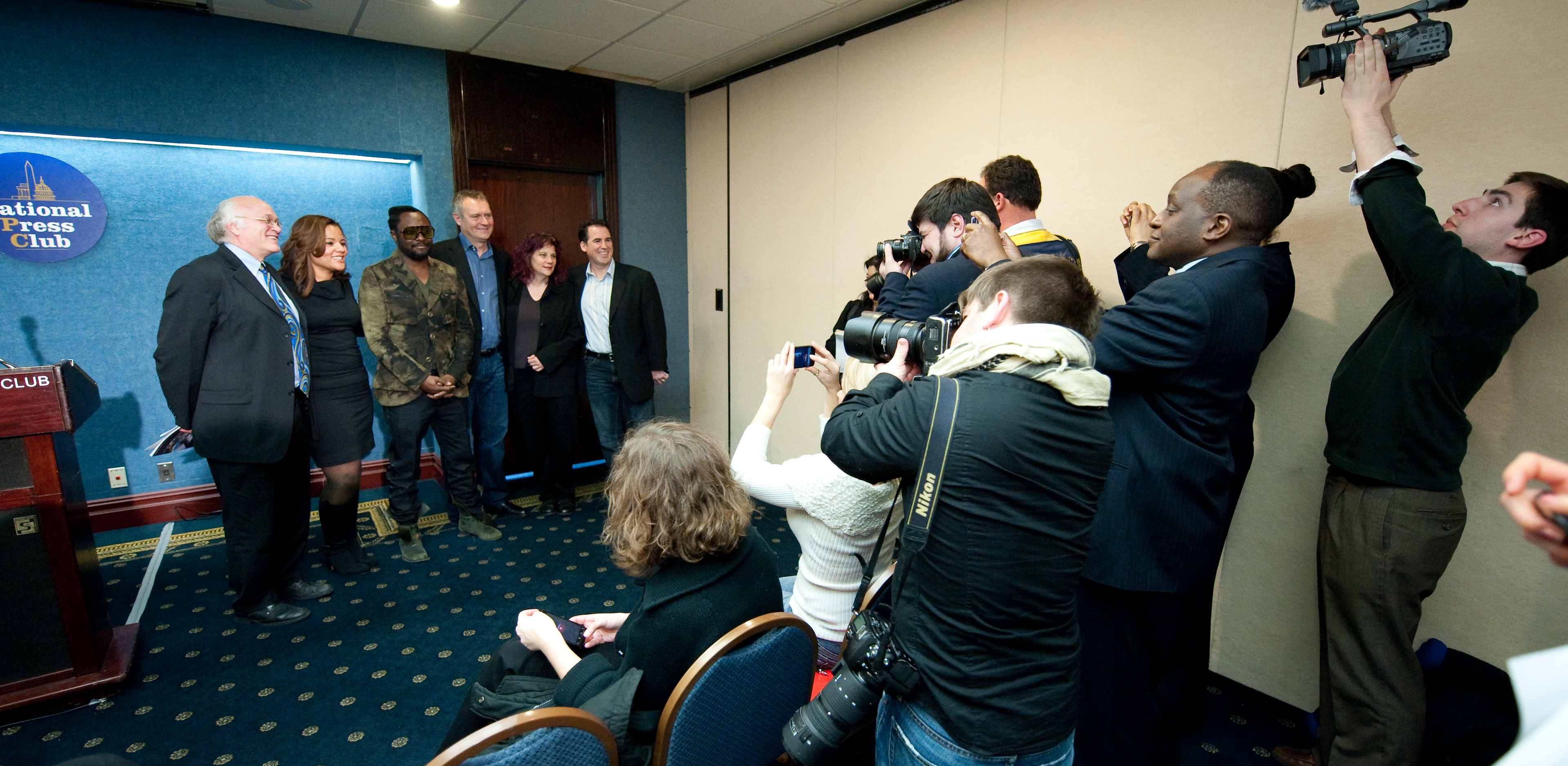
It was one of the emptier events I’d covered for a celebrity of his stature. The Press Club had a recurring problem… organizations would book the space assuming that the venue itself would guarantee attendance, without doing the promotional work to actually fill the room. Press releases, media outreach, building buzz… that was on the client, and this event hadn’t done enough of it.
But sometimes an empty room works in your favor. will.i.am was gracious with the staff who wanted photos, and because there wasn’t a crush of media, I had room to move. When the grip-and-grins were done, I asked if he’d step aside for a quick portrait. He said yes.
Part of a photographer’s job at events like this is making the room look more attended than it actually is. You frame tight, you find the clusters of people, you avoid the empty chairs. But for portraits, the opposite is true… an empty room means space, flexibility, and the luxury of finding good light without fighting for position.
Side note: his stage name stuck with me. Five years later, when I finally joined Instagram in 2015… what I thought was embarrassingly late to the game, even though the platform was still in its infancy… I chose the username @iamthesam. A direct play on will.i.am. Sometimes a quick portrait in a quiet lobby leaves a longer impression than you’d expect.
The Lesson
You don’t always need a prime lens to get prime lens results. What you need is distance… distance between subject and background, and enough focal length to compress that distance into creamy separation.
At press events, I was still very focused on having the “holy trinity” of zooms: 14-24, 24-70, 70-200. It took me years to assemble all three. But for event work, they’re essential. You get boxed into positions where you can’t move. Other photographers aren’t going to accommodate your preferences… they’re there to get their shot, not to help you get yours. A prime lens can leave you stuck. A zoom lets you adapt.
The 24-70 was relatively new to me at this point, and this image taught me what it could do at the long end. Zoomed in, wide open, with enough background separation, you can create images that feel intimate even in an event context.
The technical lesson: when the light is low and you’re shooting available light only, trust your camera. The D3S at ISO 16000 was pushing into territory that would have been unusable just a few years earlier. But that sensor, combined with monochrome conversion, delivered something with character rather than noise. Know your gear’s limits, but don’t be afraid to approach them.
The Epic Portrait Series