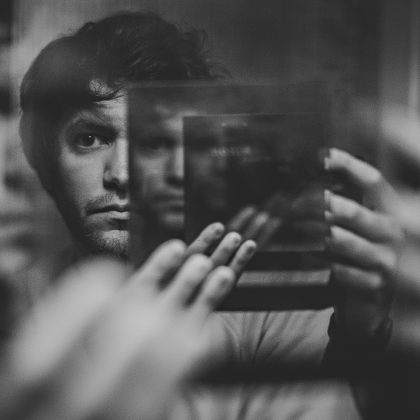

Starting as a political news and celebrity portrait photographer in DC, Sam was instantly drawn to wedding photography as a space to promote more inventive ideas. Sam’s focus is on photographic techniques that are deceptively simple but have the potential to transform difficult or uninspiring shooting environments into one-of-a-kind opportunities for every photo made.

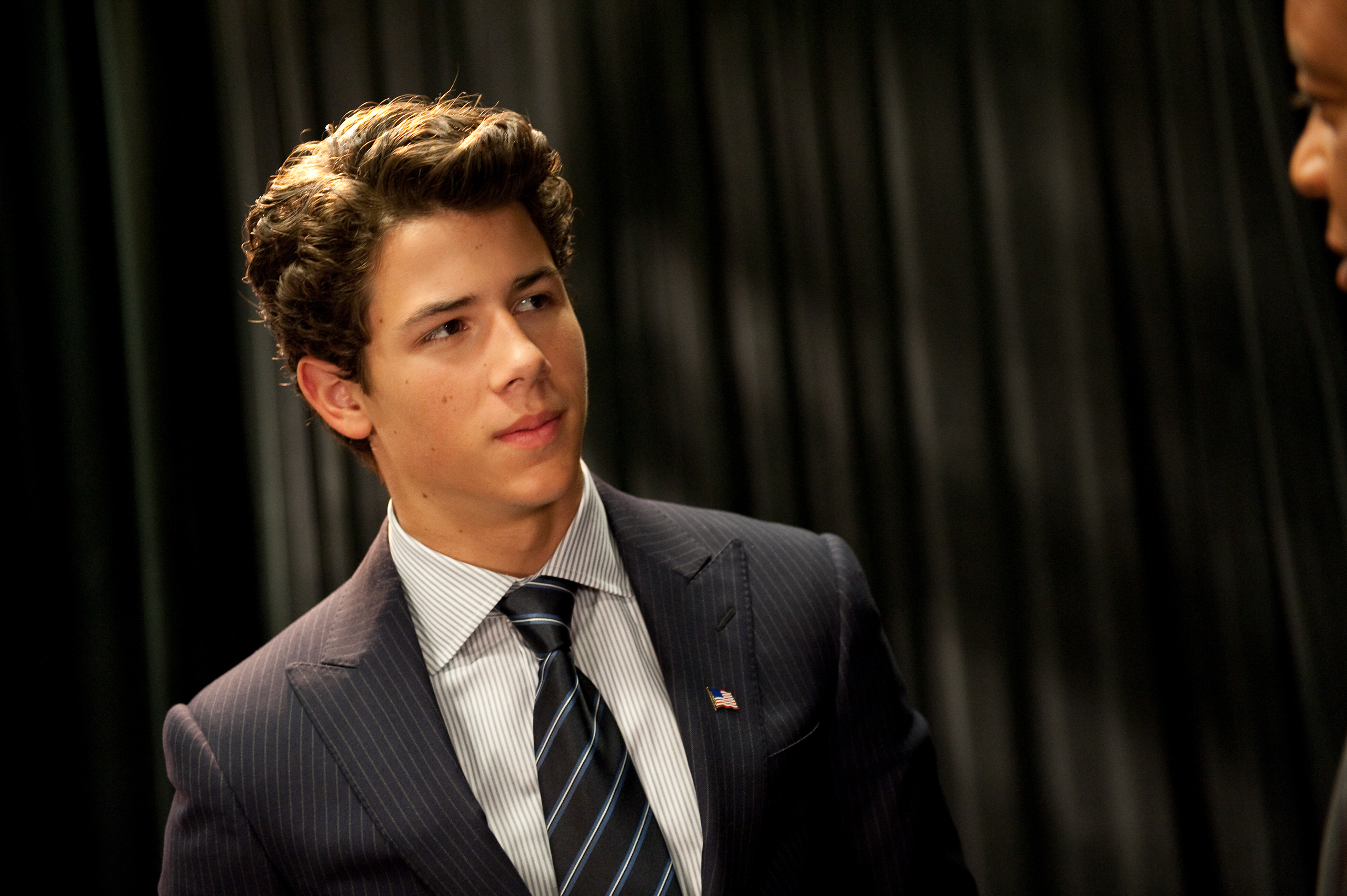
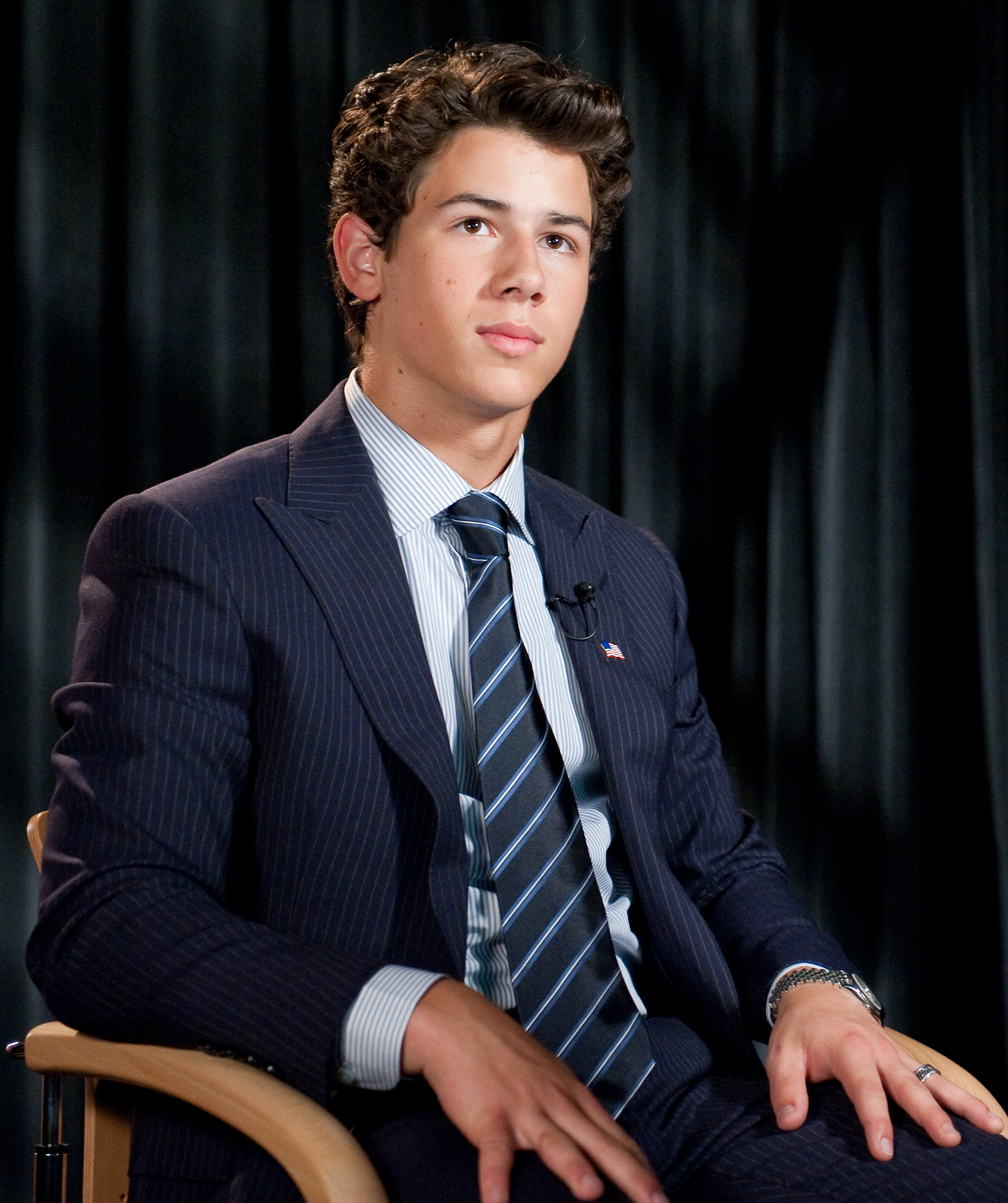
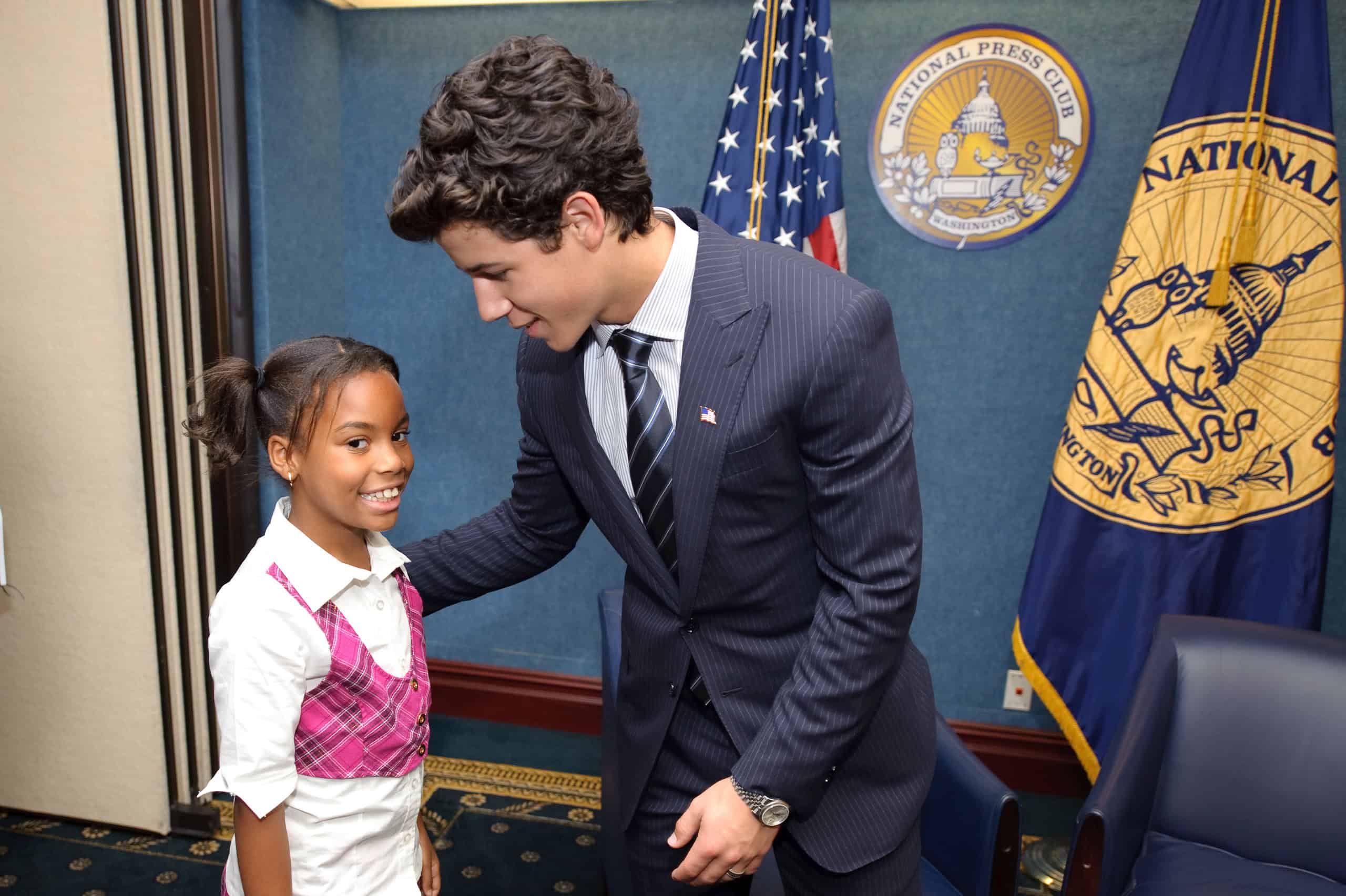
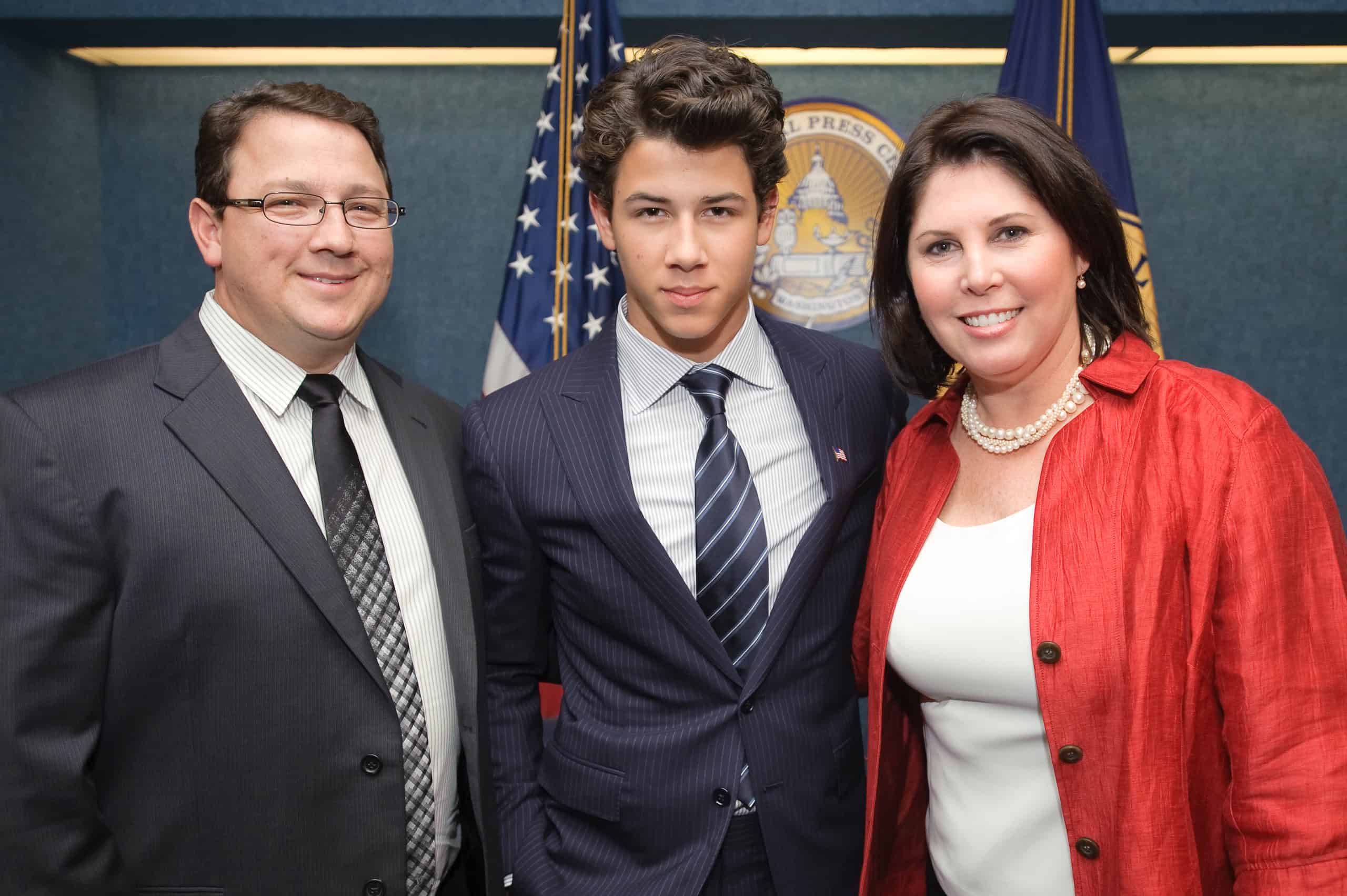
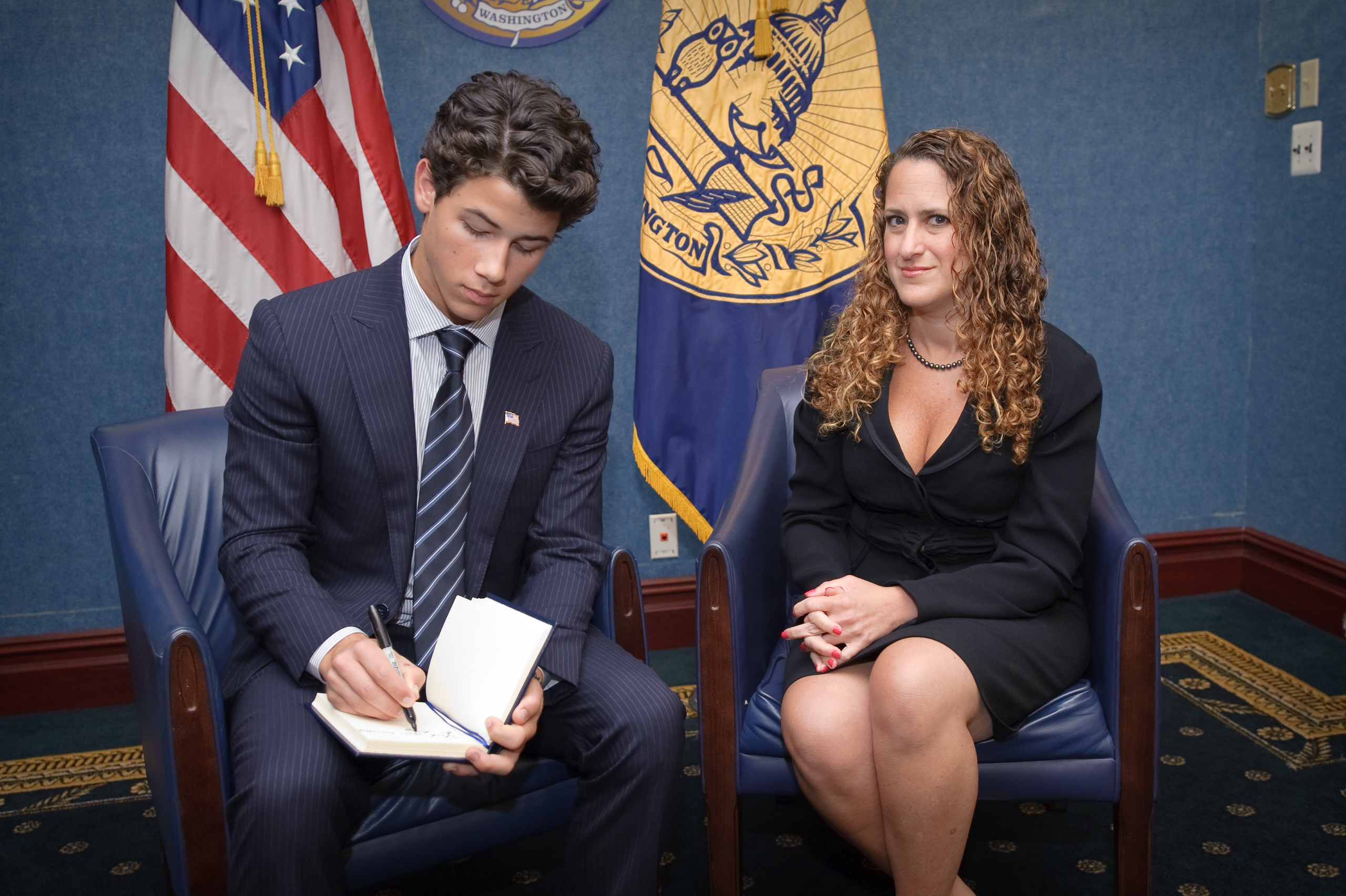
Nick Jonas – August 24, 2009 (Upscale embedded with SynthID)
The Gear
Lens: Nikon 70-200mm f/2.8 at approximately 100mm
Camera: Nikon D700
Settings: 1/200, f/2.8, ISO 200 (estimated)
Lighting: Off-camera Nikon Speedlight with barn doors
Technique: Freelensing (my first attempt, with Nikon 85mm f/1.4D)
Editing: Alien Skin Exposure
The Goal
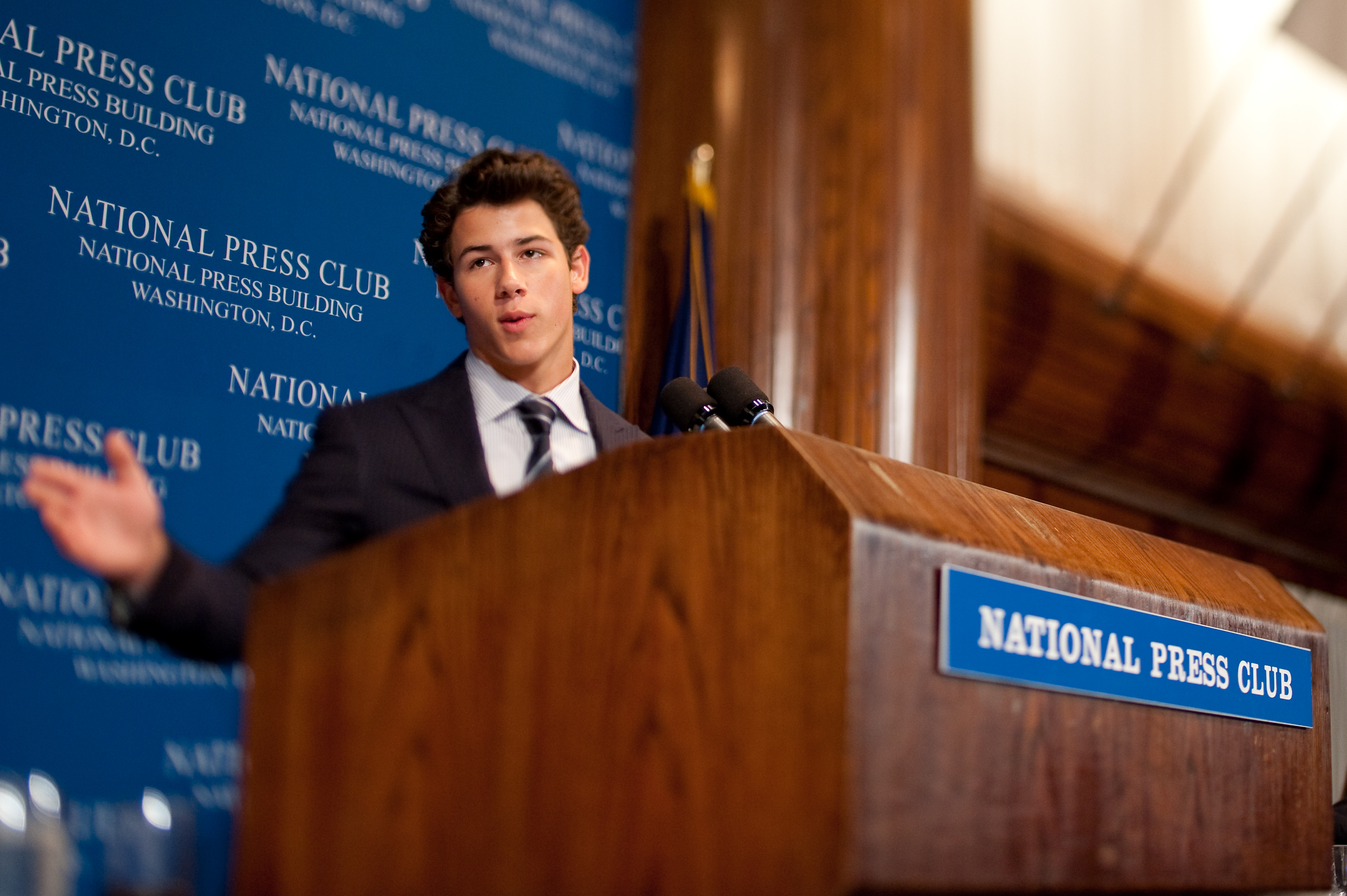
Capture something more interesting than a standard press portrait of a teen pop star visiting for a diabetes advocacy speech.
The Vision
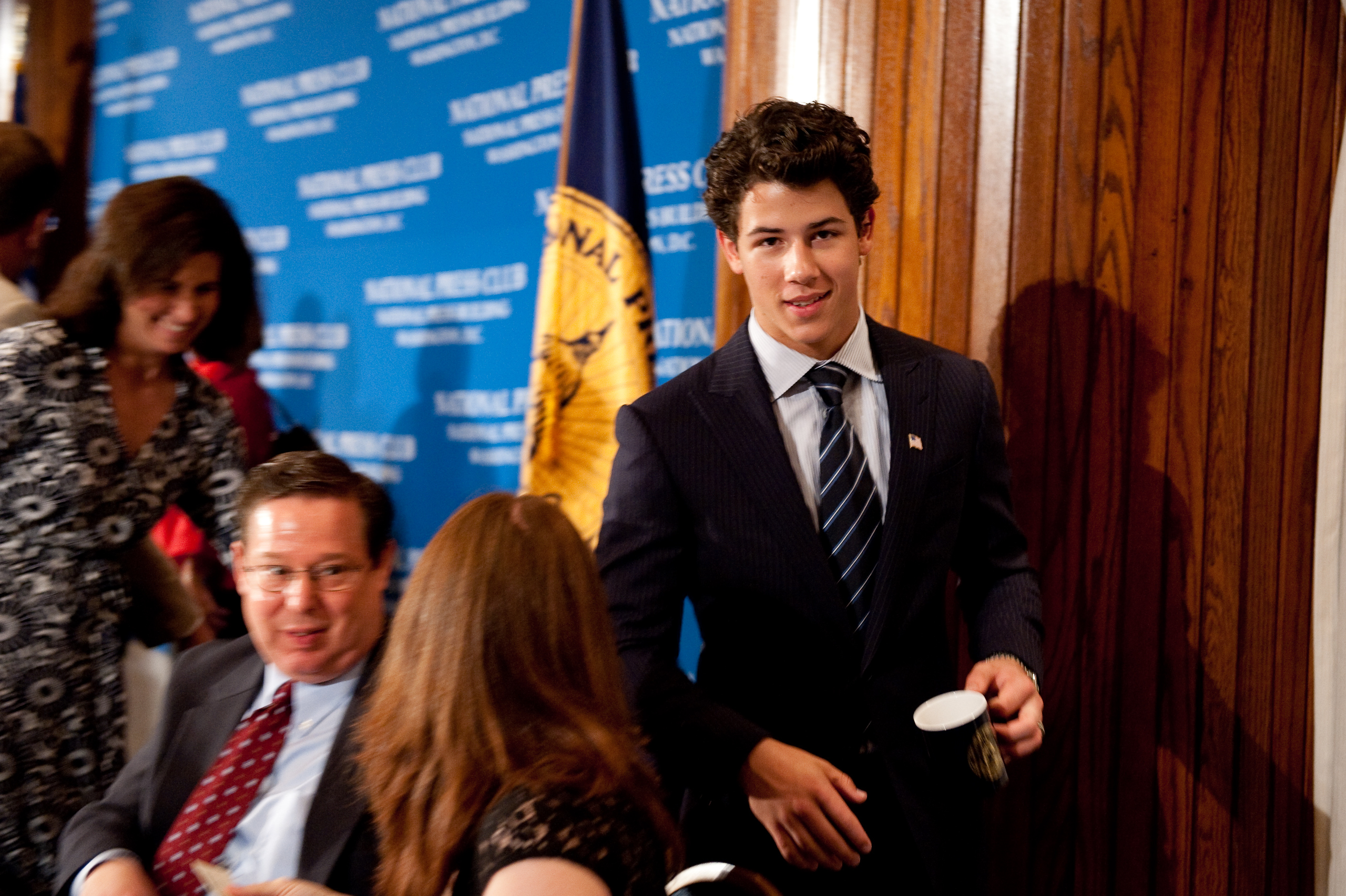
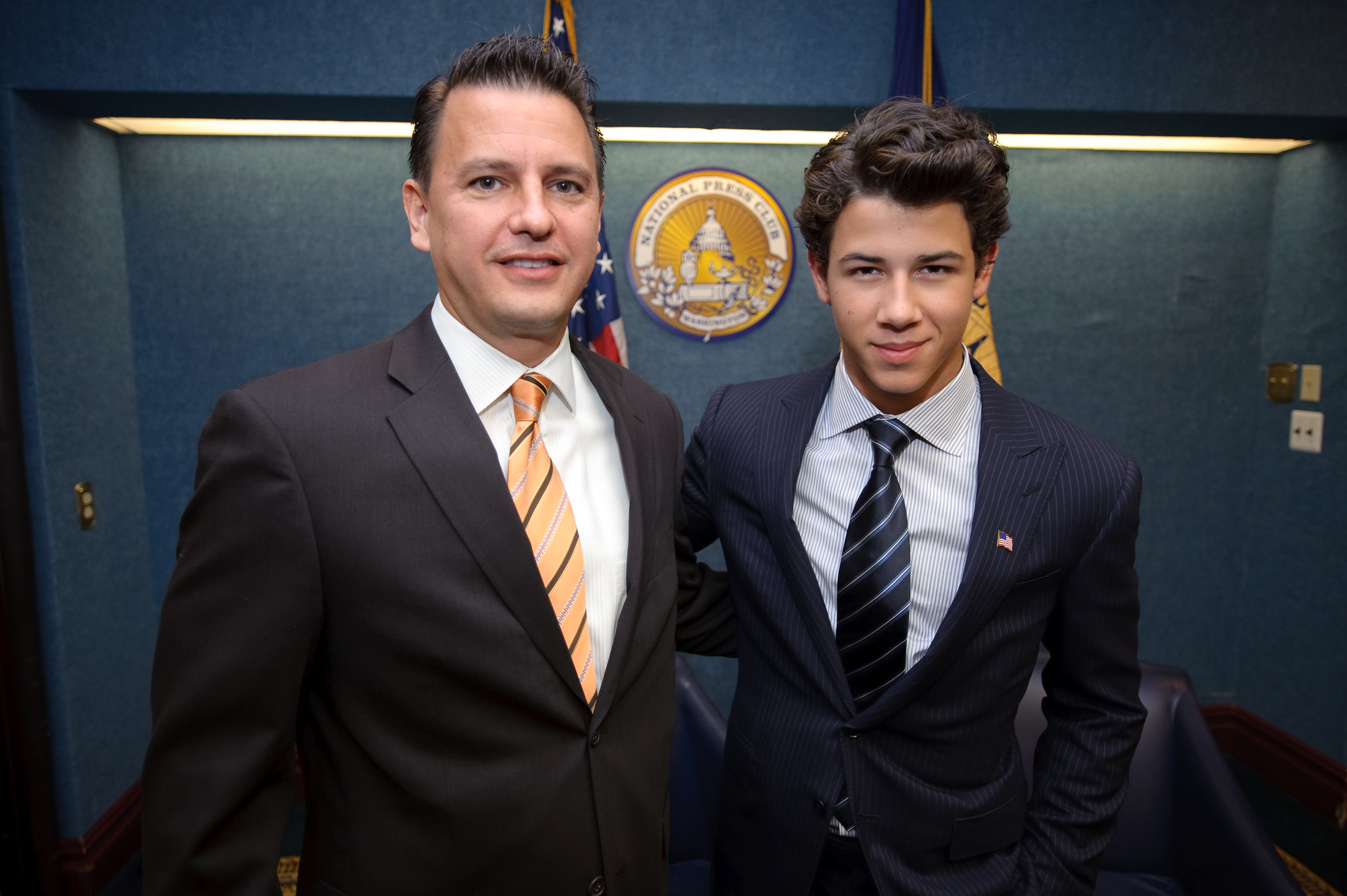
The portrait was shot in the National Press Club’s Murrow, White and Lissigore conference rooms. I was actually excited about this location because I’d typically been relegated to the Holeman Lounge or the First Amendment rooms… lots of wood grain and traditional DC decor. This room had a blue wall separator in one corner that I thought might give me something more neutral to work with.
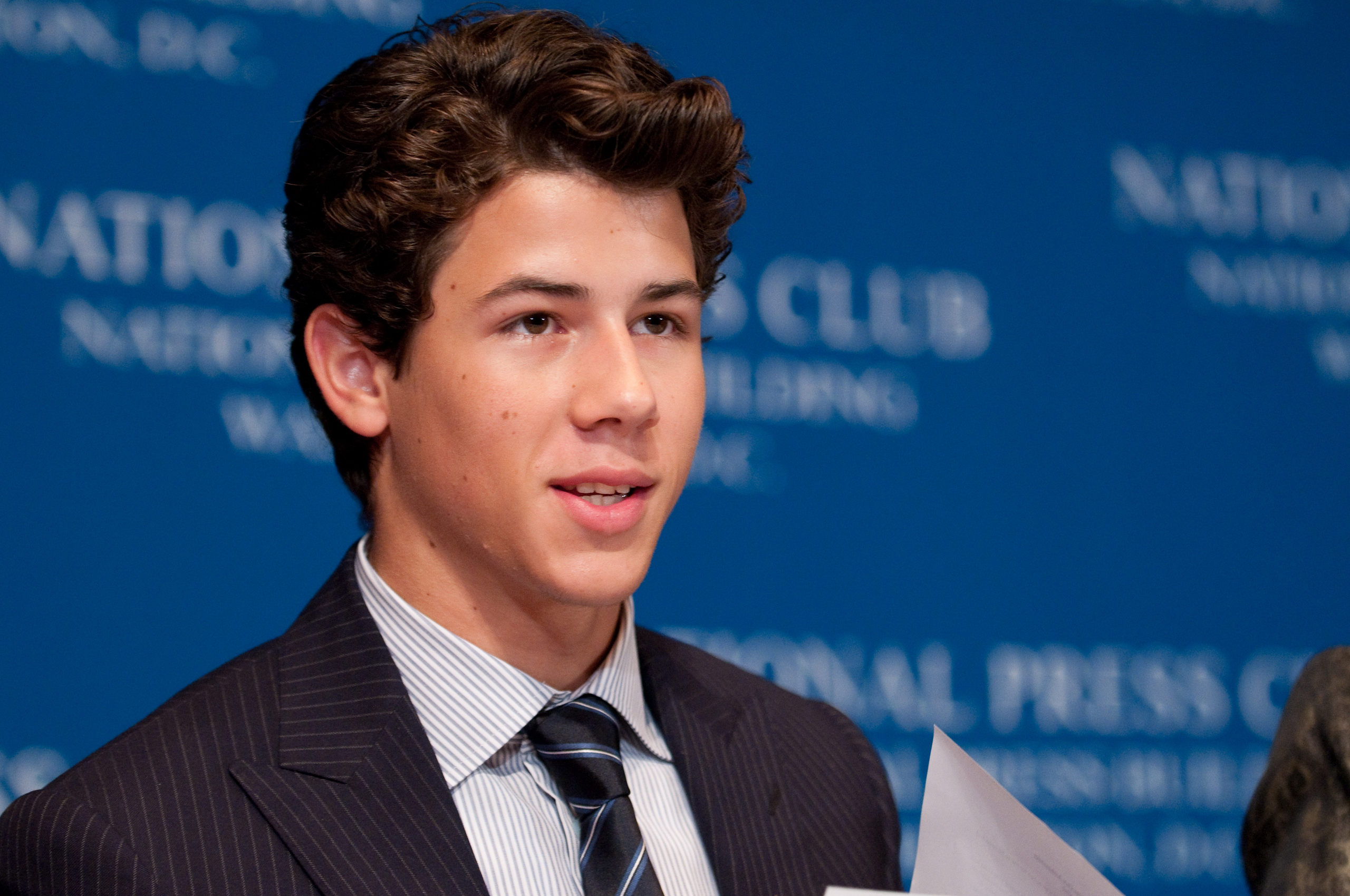
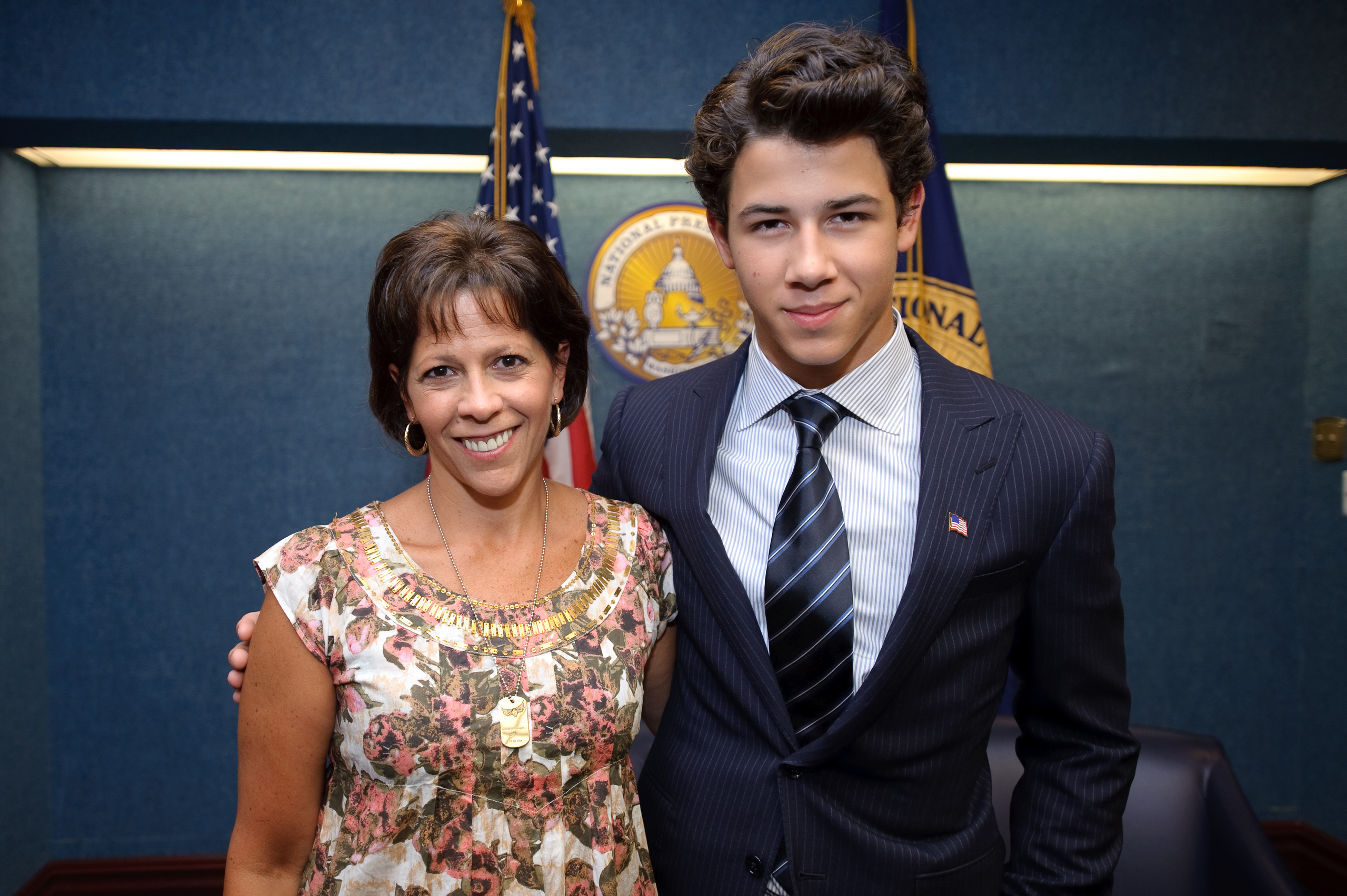
In hindsight, it’s not my favorite background. That blue-green texture looks a bit like the cliche studio backdrops you might find at a mall portrait studio. But we were far enough away from it that the bokeh did the heavy lifting, transforming what could have been distracting into something more painterly and abstract. Distance and a fast aperture can solve a lot of background problems.
The lighting was an off-camera speedlight with barn doors that I’d set up anticipating the receiving line. The barn doors let me create a really defined, sliced pocket of light. The result was harsh in a way, but soft enough that there was no real glare on his face. And he’s 16 years old… of course he has great skin. But what I’m really proud of is that subtle catch light in his eyes. That’s something you hope for in the moment rather than something you can truly plan. It worked, and obviously he brought exactly the expression he wanted.
The Story
Nick Jonas was 16 years old and already a massive star with the Jonas Brothers when he came to speak about living with Type 1 diabetes. He’d been diagnosed at 13 and had become a diabetes ambassador with Bayer Diabetes Care, using his platform to help other kids manage the disease. He’d testified before Congress earlier that summer and co-founded the Jonas Brothers’ Change for the Children Foundation with his brothers Kevin and Joe to support diabetes research and treatment.
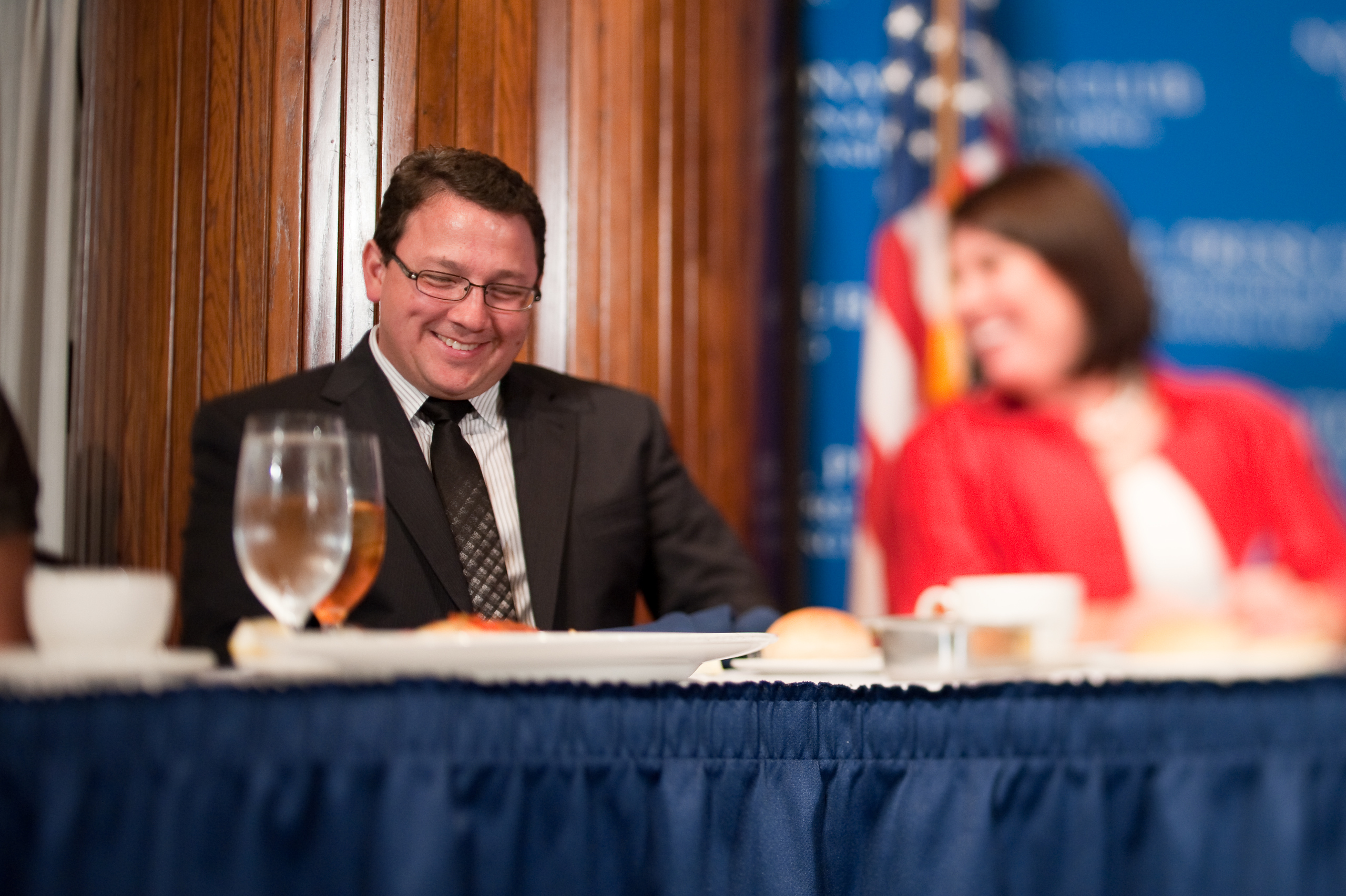
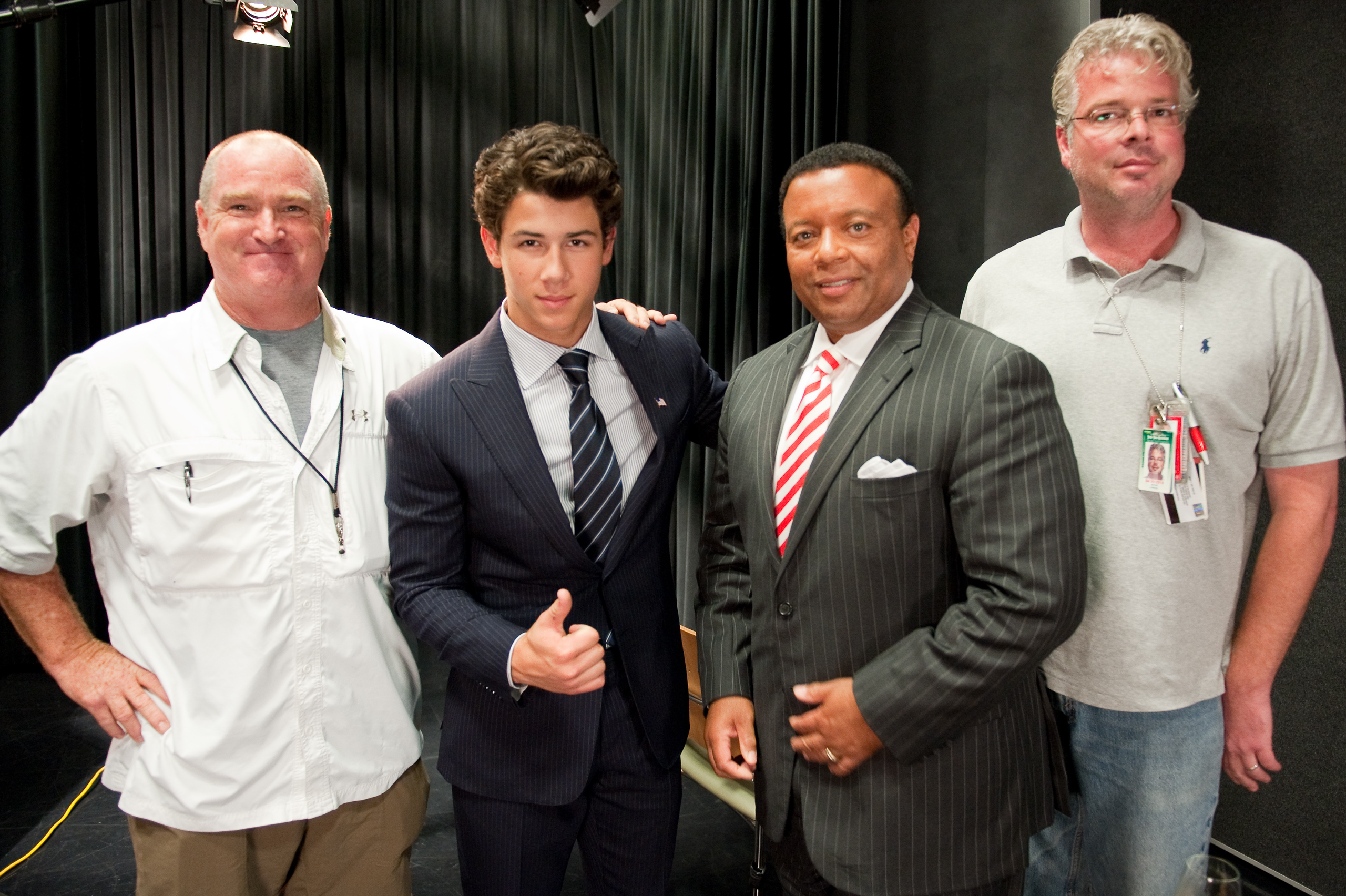
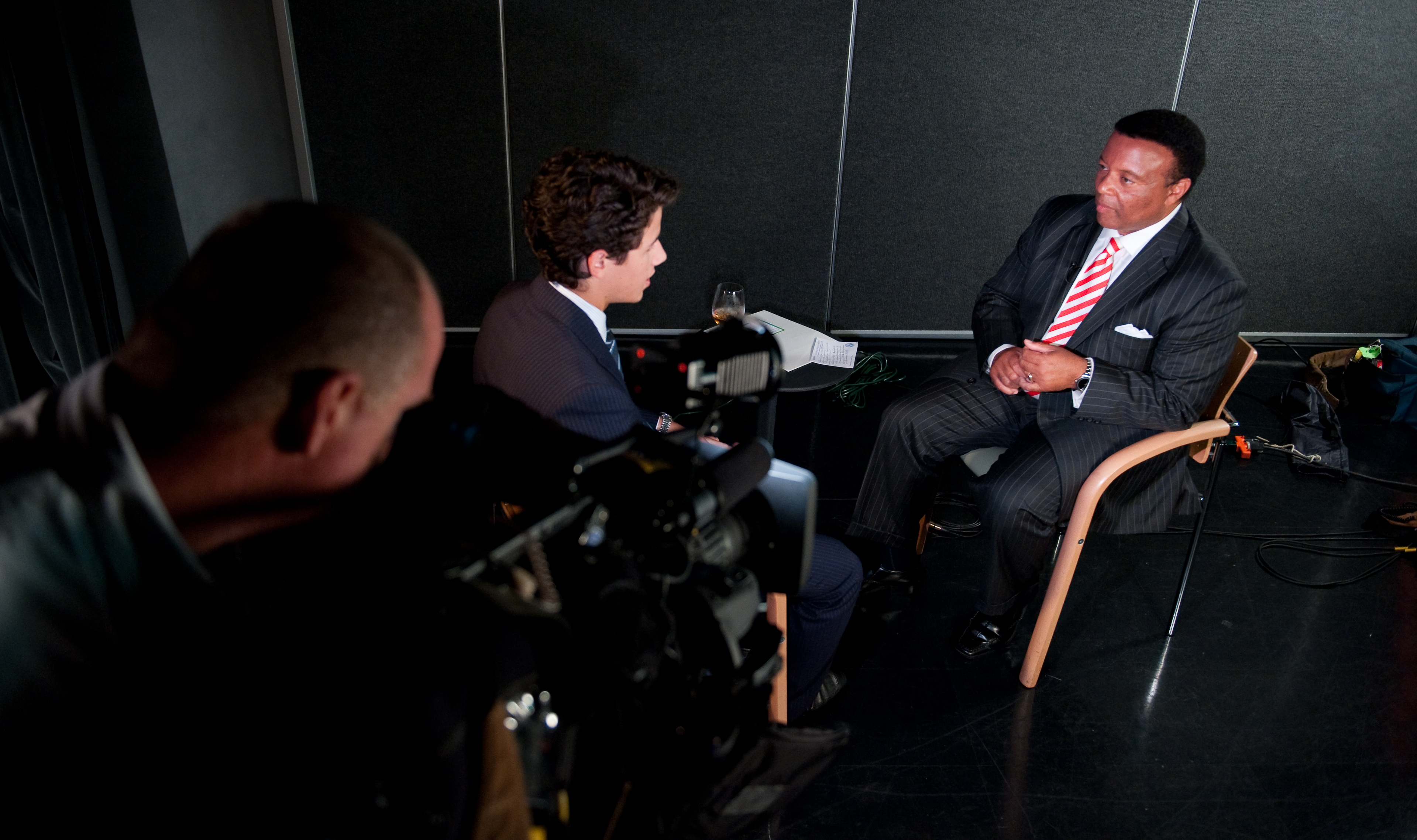
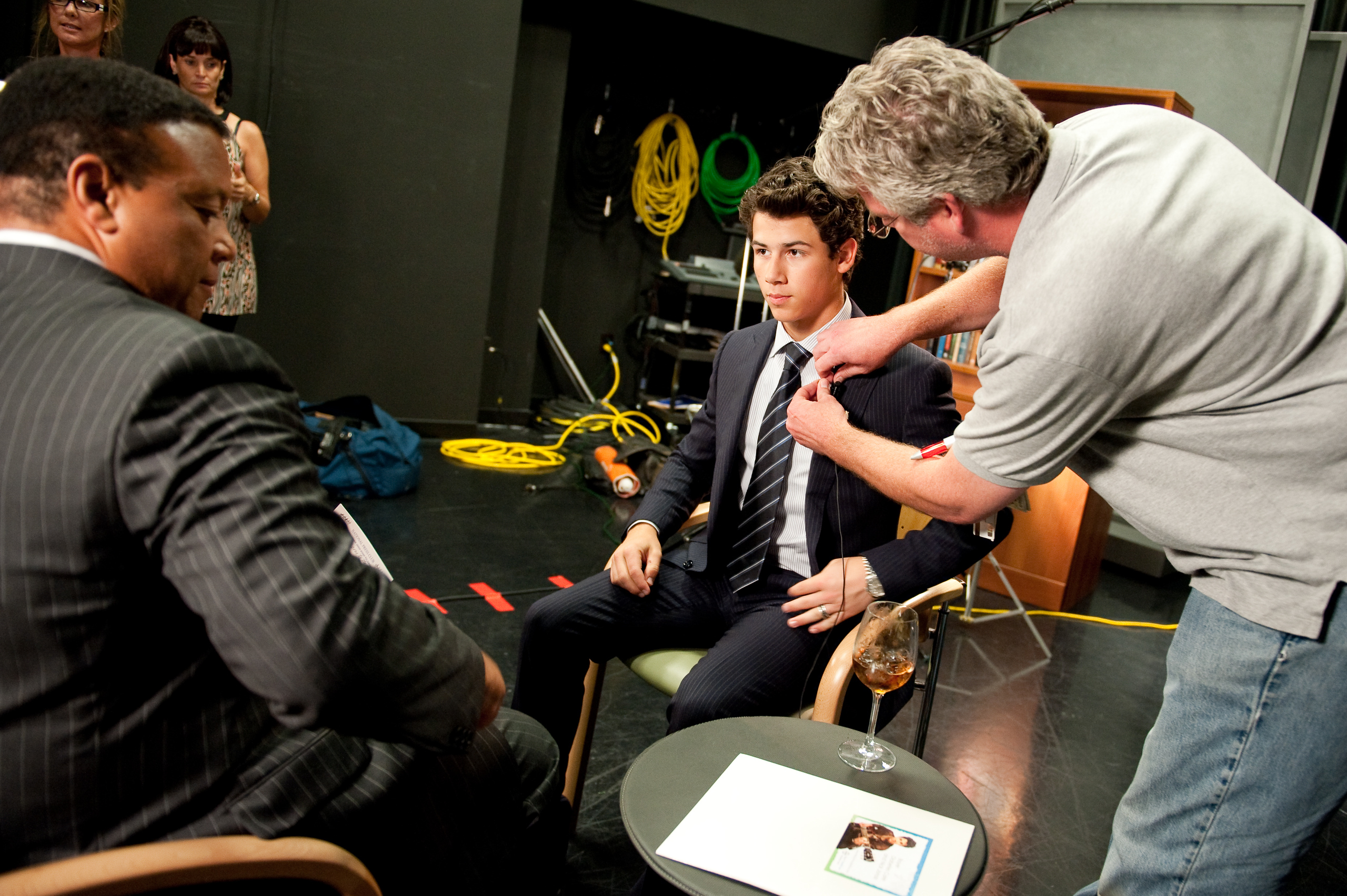
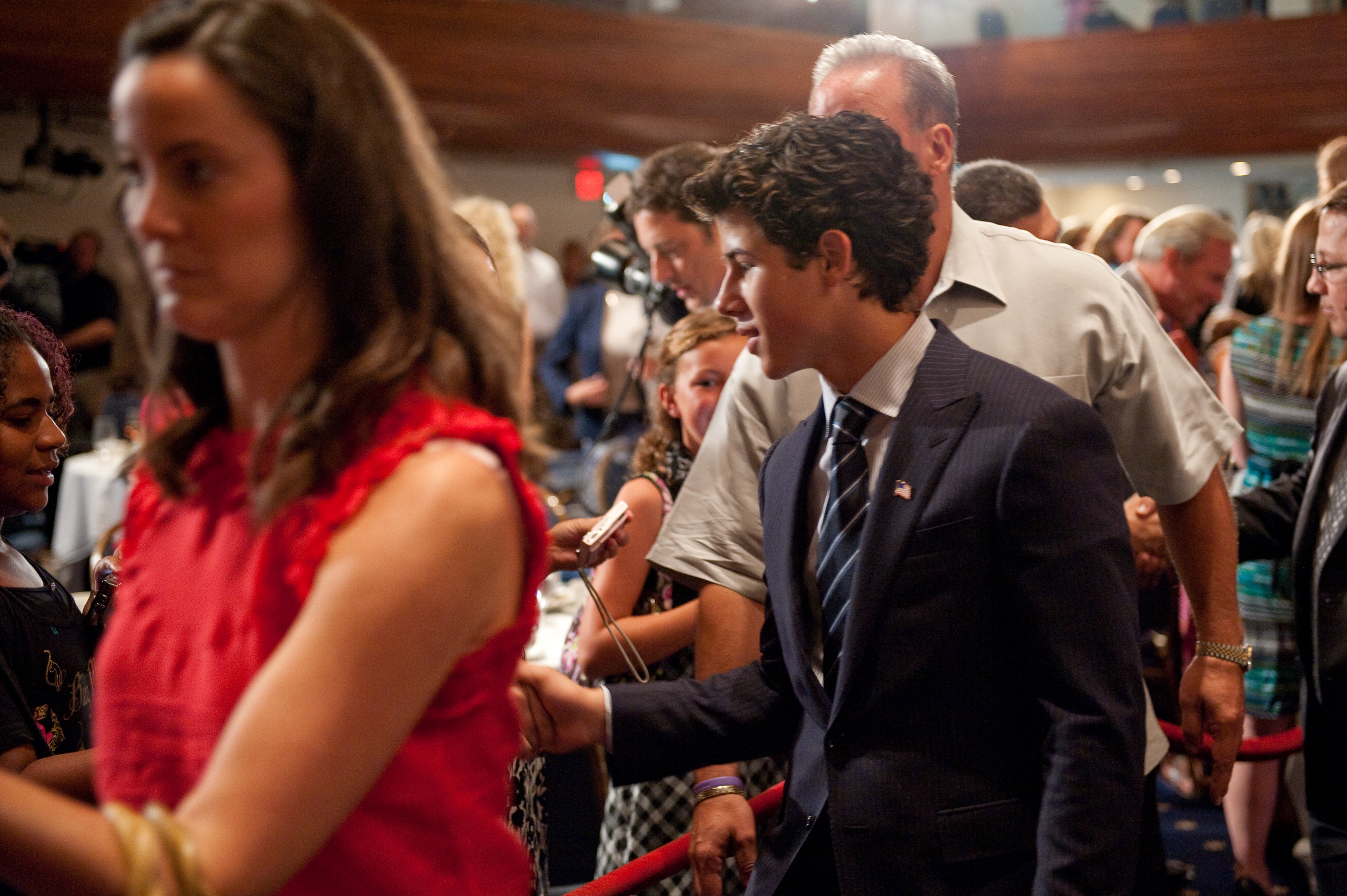
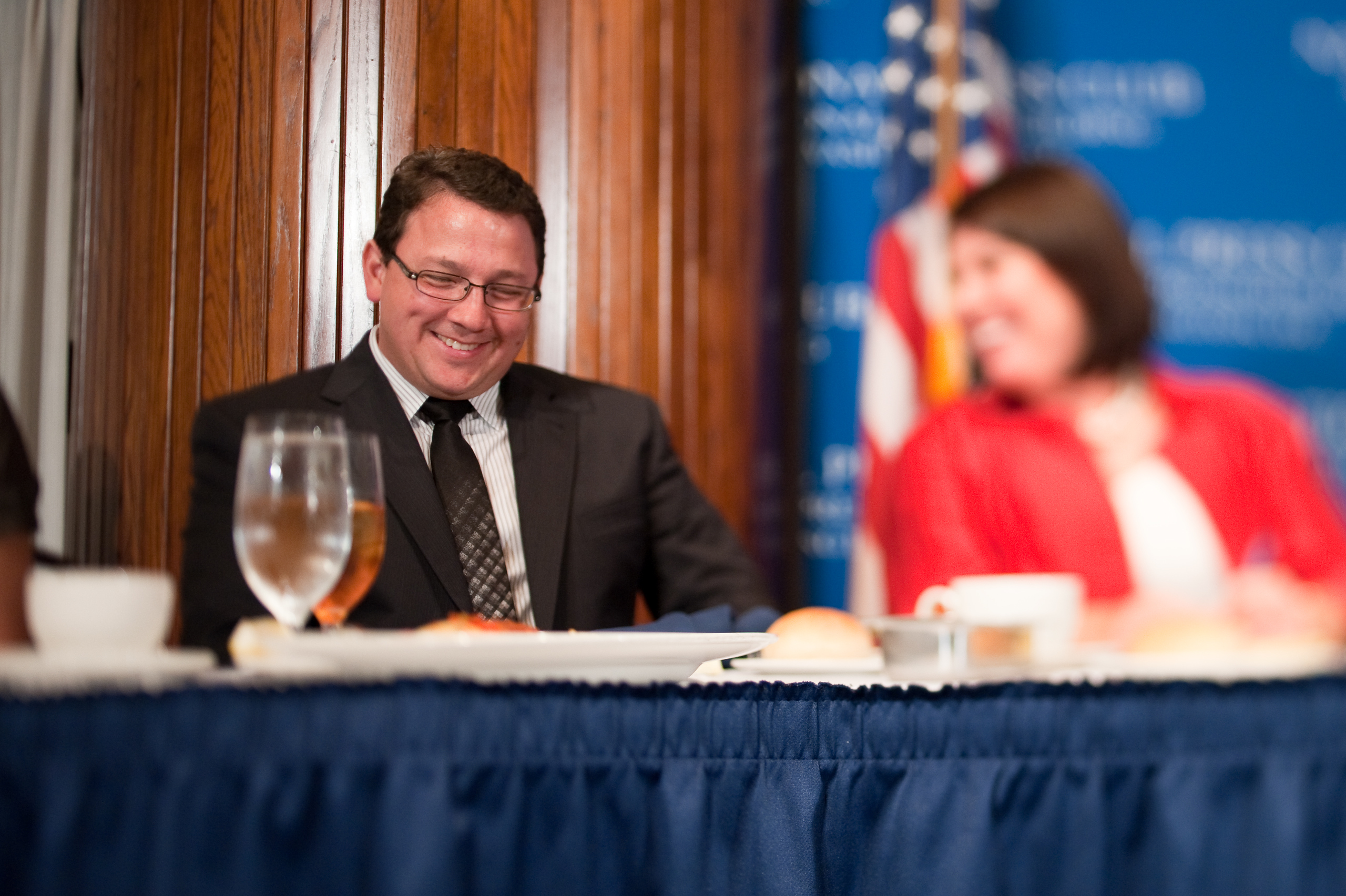
The event was a sold-out NPC luncheon… teenagers with their camera phones lined up outside the building, apparently instructed not to scream. The logistics were complicated that day. Broadcast Operations Center on the fourth floor, receiving line in these conference rooms, and then across the entire facility to the ballroom for the actual luncheon. A lot of walking.
What struck me about Nick was how well supported he was. His father, Kevin Jonas Sr., was there acting as handler… but in a way that felt genuinely caring rather than controlling. Being that young and that famous could be pretty intimidating, but you could tell his dad had imbued real manners in him. The whole operation was super polite. It was nice to see a young celebrity with that kind of grounding.
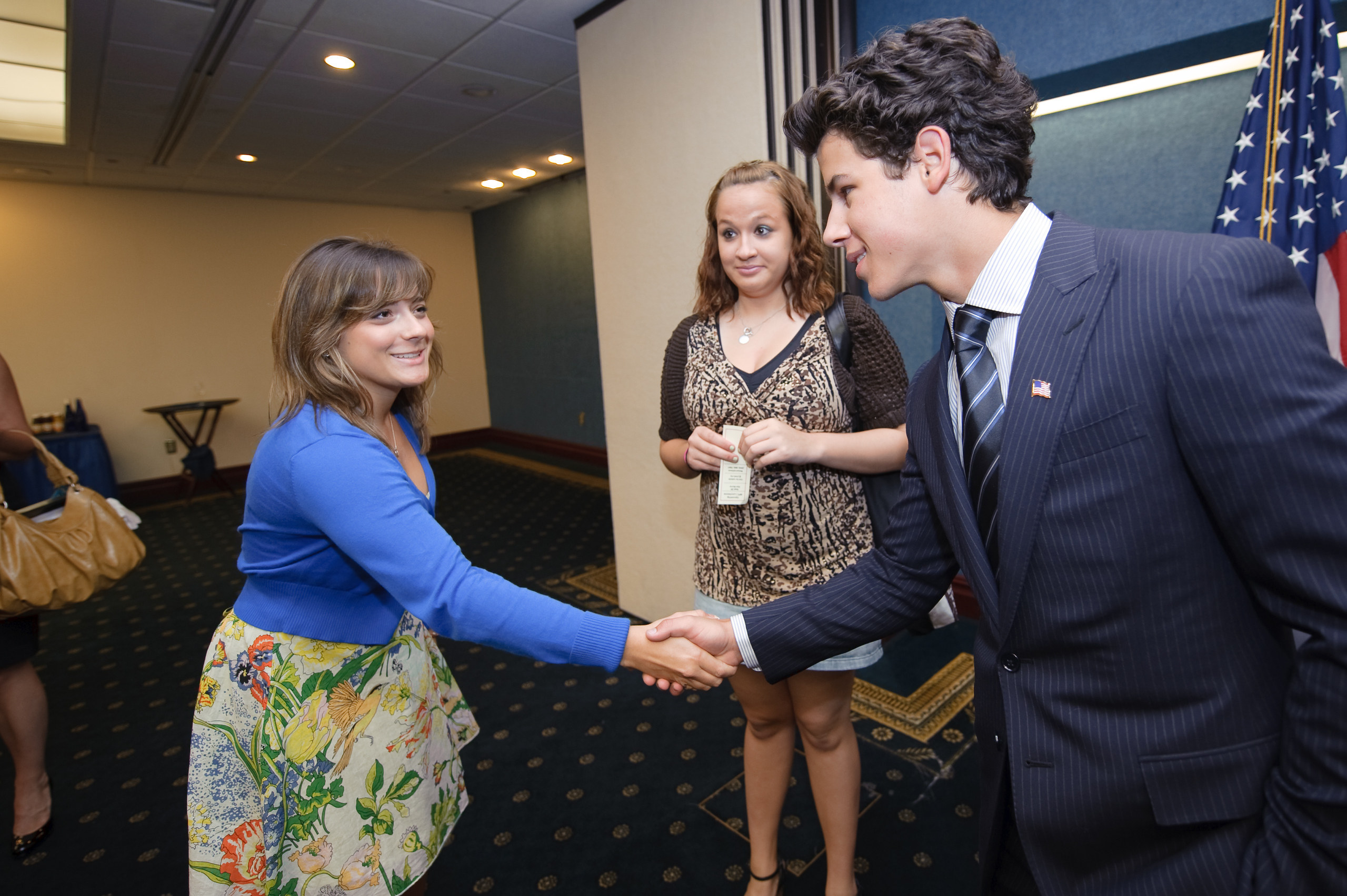
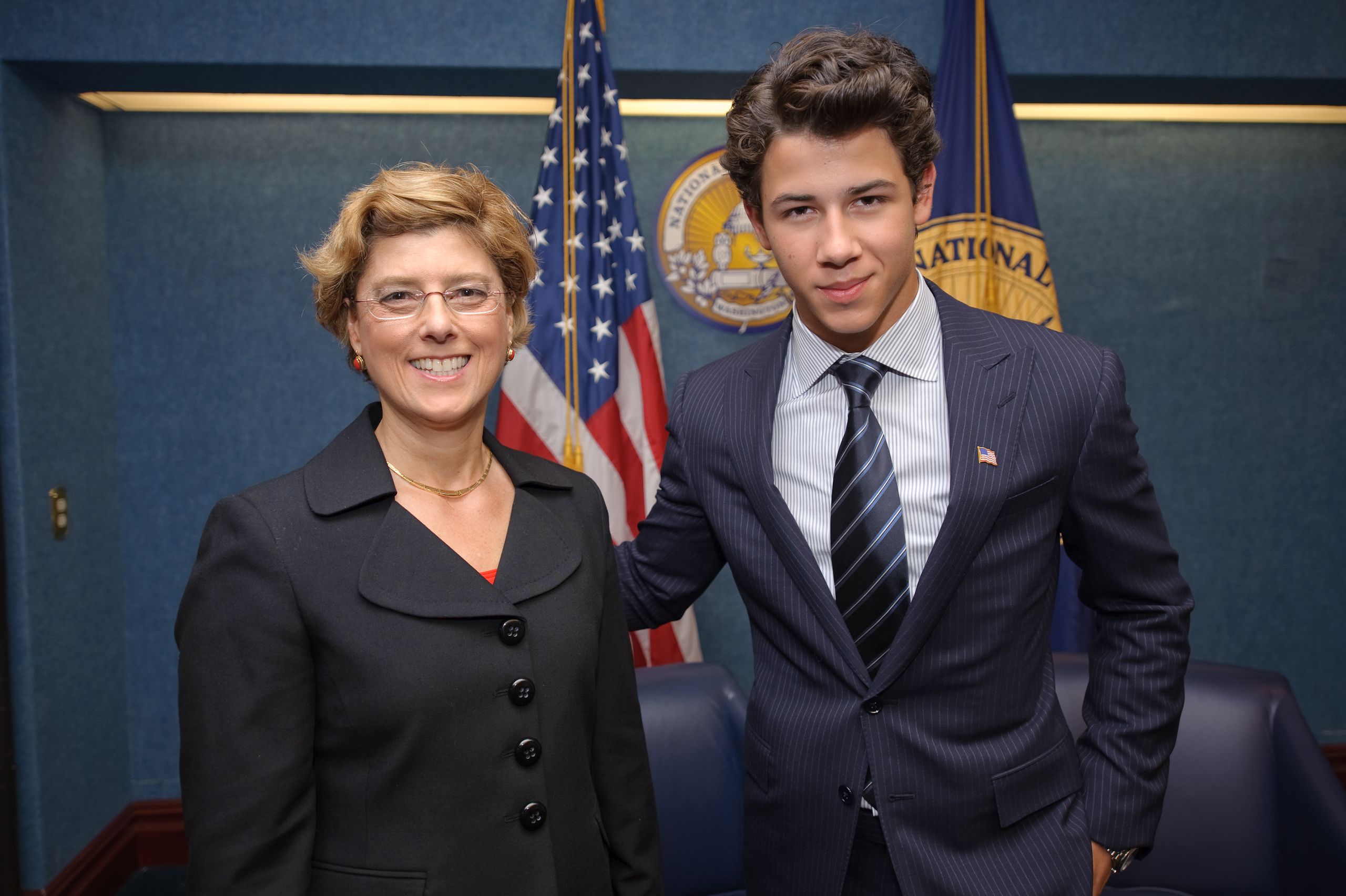
This was also the first time I really noticed what I now call “the photo face”… that perfectly rehearsed expression celebrities develop for receiving lines. Looking through these images, his resting smile is nearly identical from one frame to the next. Same angle, same micro-expression, same slight head tilt. Whether he was meeting a young fan with diabetes, posing with NPC officials, or signing autographs, that expression clicked into place like muscle memory.
It makes sense when you think about it. These people pose for thousands of photos. Of course they’ve figured out what angle works, what expression reads well. But at the time it was a revelation. Now I see it everywhere in receiving line photos from that era.
This was also my first real attempt at freelensing. I’d read about the technique online… shooting with your lens physically detached from the camera body to get that tilt-shift blur effect without actually owning a tilt-shift lens. I popped off my Nikon 85mm f/1.4D and tried floating it in front of the sensor.
The results were… not great. I didn’t include any of those shots here because honestly they were terrible. But that’s how you learn. You try something, you fail, you figure out what went wrong. It would take me years of practice before freelensing became a real part of my toolkit, but this was where it started.
One thing I learned early on as the staff photographer: if you approach something with confidence and a camera, people typically assume you know what you’re doing and that you’re supposed to be there. I had access to wherever I wanted as they were setting up, and celebrities usually assumed I was just part of the process. It’s not about taking advantage… it’s about doing your job professionally and letting that confidence open doors.
The Lesson
Two things from this shoot stuck with me.
First, watch for the “photo face.” When you’re photographing someone who takes photos for a living… actors, politicians, athletes… they’ve already figured out their angles. Sometimes that’s a gift because you know you’ll get something usable. But sometimes it means you need to work harder to break through to something authentic.
Second, try new techniques even when the stakes feel high. Yes, I felt ridiculous attempting freelensing for the first time at a major event. Yes, most of those shots were unusable. But if you only experiment when it’s “safe,” you’ll never develop the skills for when it matters. The best time to try something new is always right now.
The Epic Portrait Series