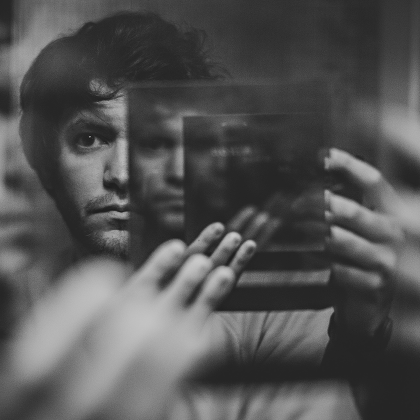

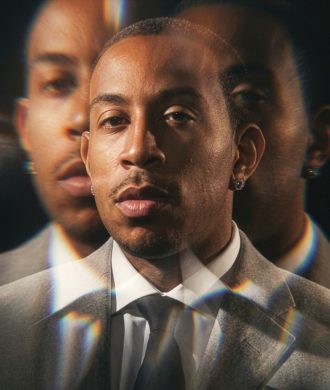
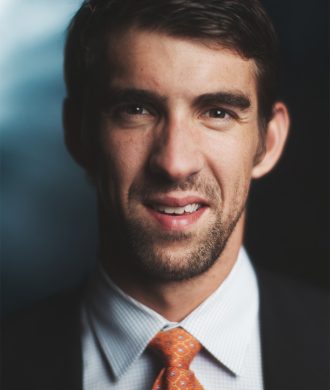
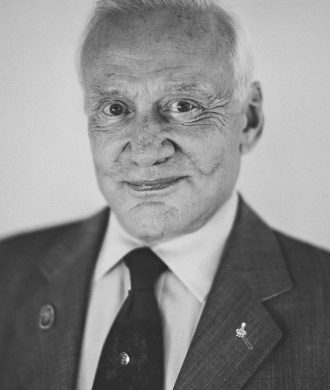
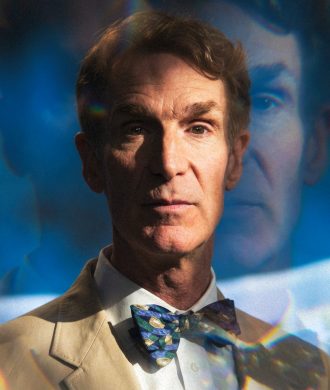
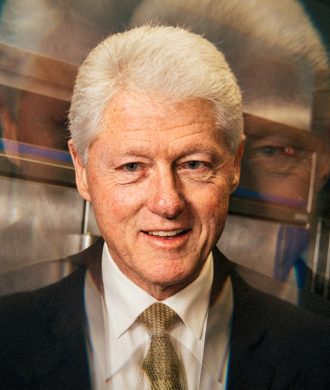
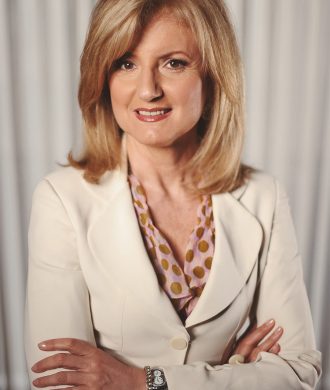
Starting as a political news and celebrity portrait photographer in DC, Sam was instantly drawn to wedding photography as a space to promote more inventive ideas. Sam’s focus is on photographic techniques that are deceptively simple but have the potential to transform difficult or uninspiring shooting environments into one-of-a-kind opportunities for every photo made.

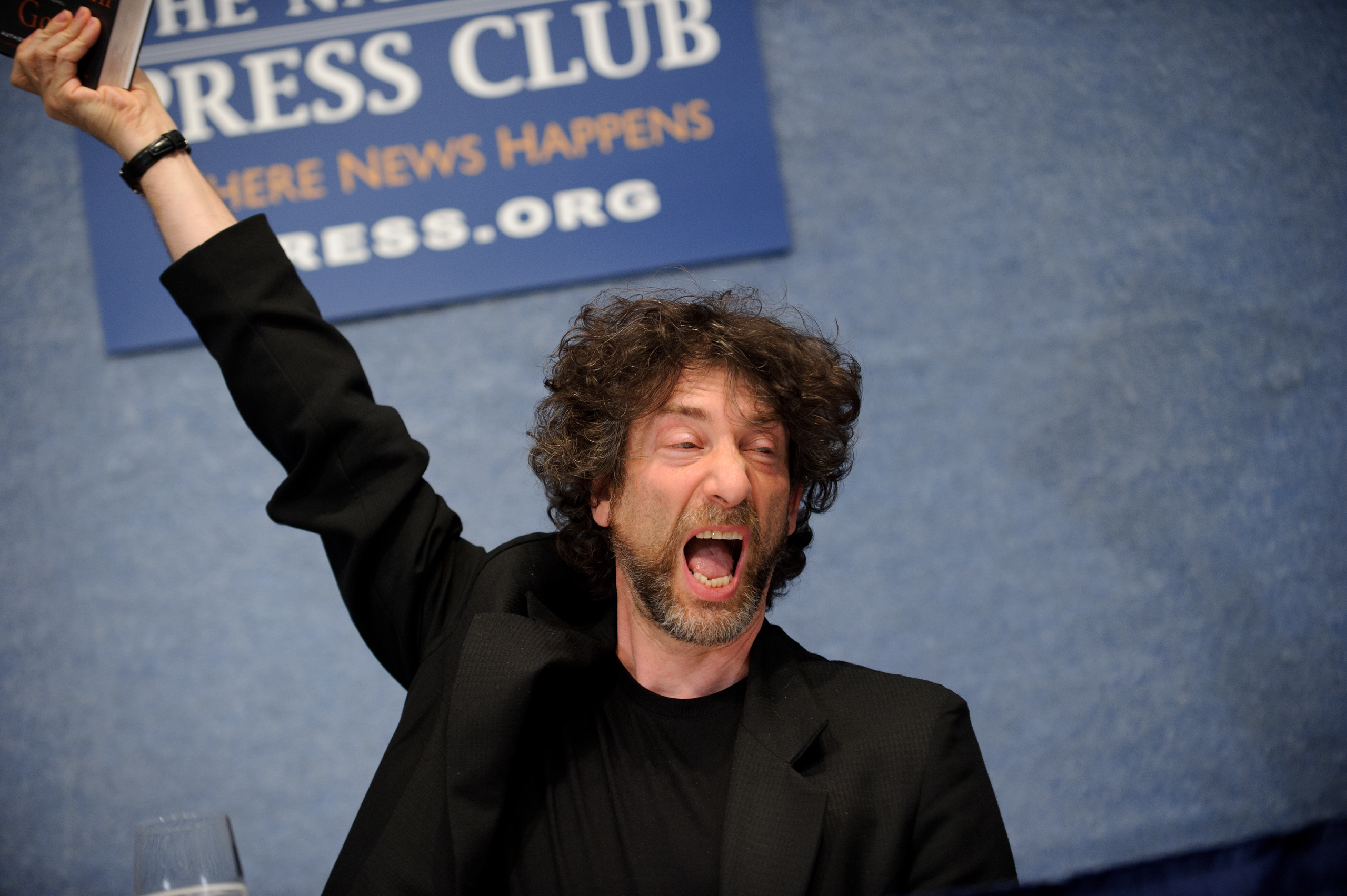
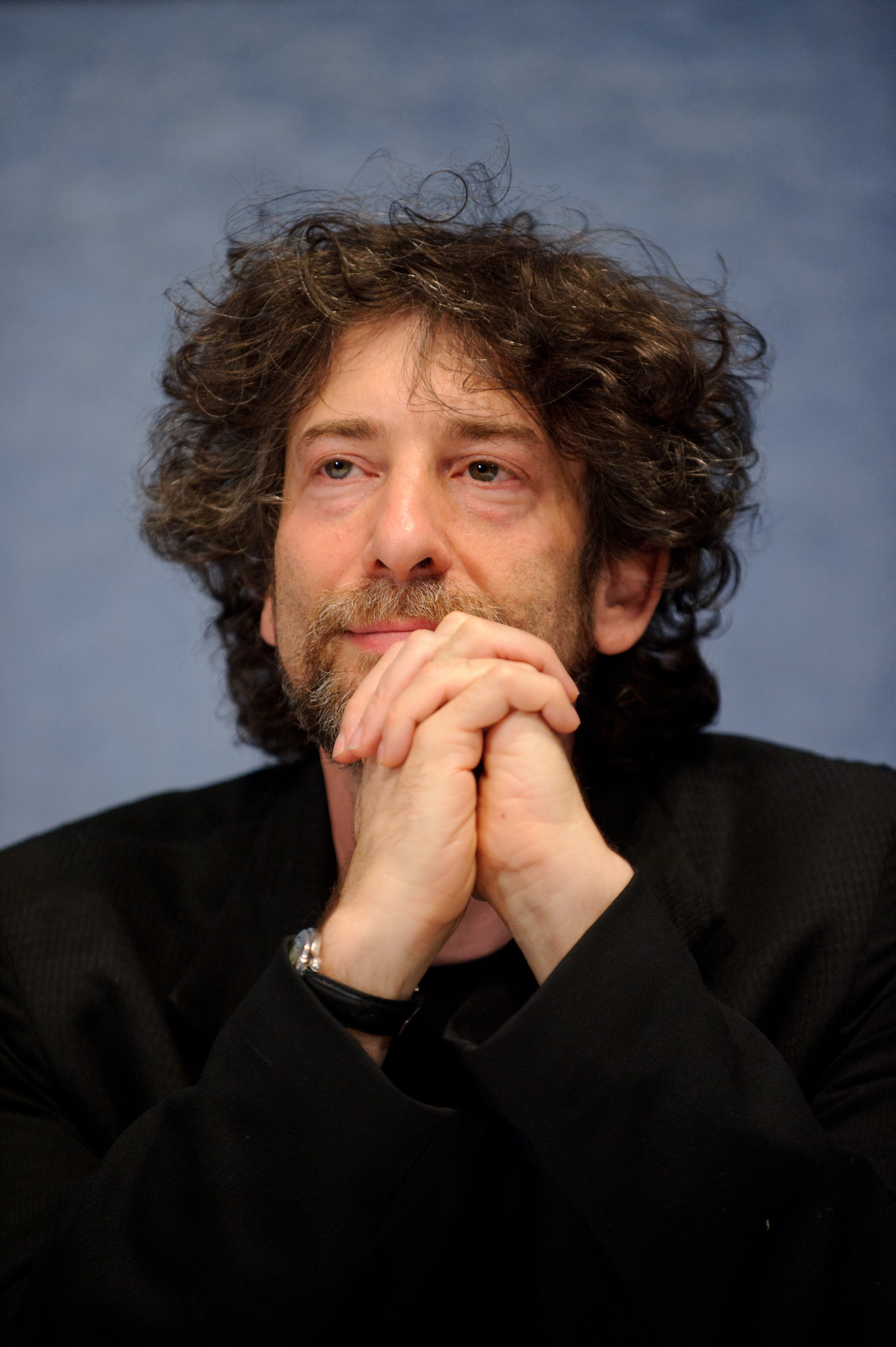
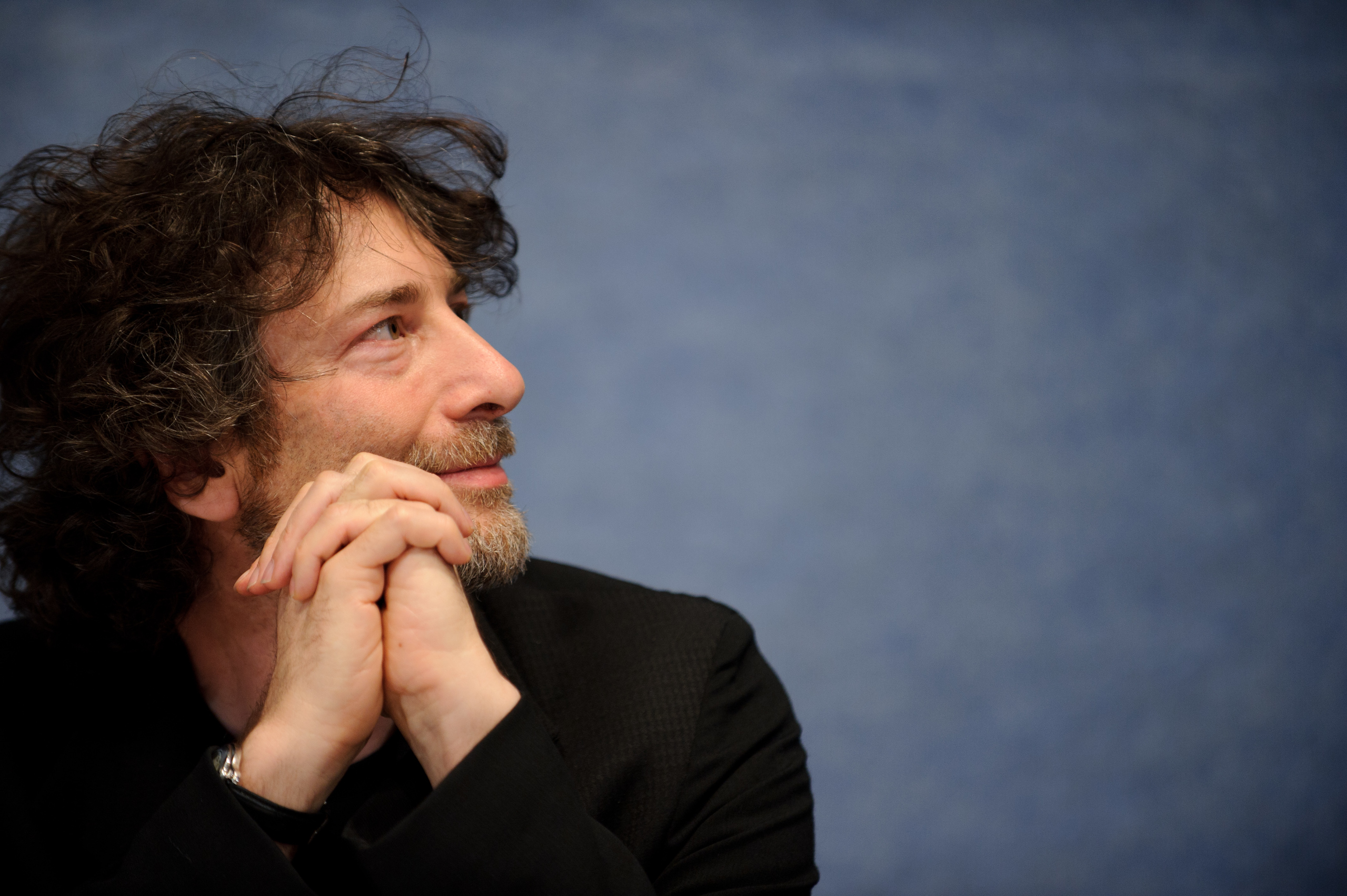
Neil Gaiman – June 23, 2011 (Upscale embedded with SynthID)
The Gear
Lens: Nikon AF-S NIKKOR 70-200mm f/2.8G ED VR II at 200mm
Camera: Nikon D3S
Settings: 1/200, f/2.8, ISO 1250
Lighting: Off-camera flash from camera left
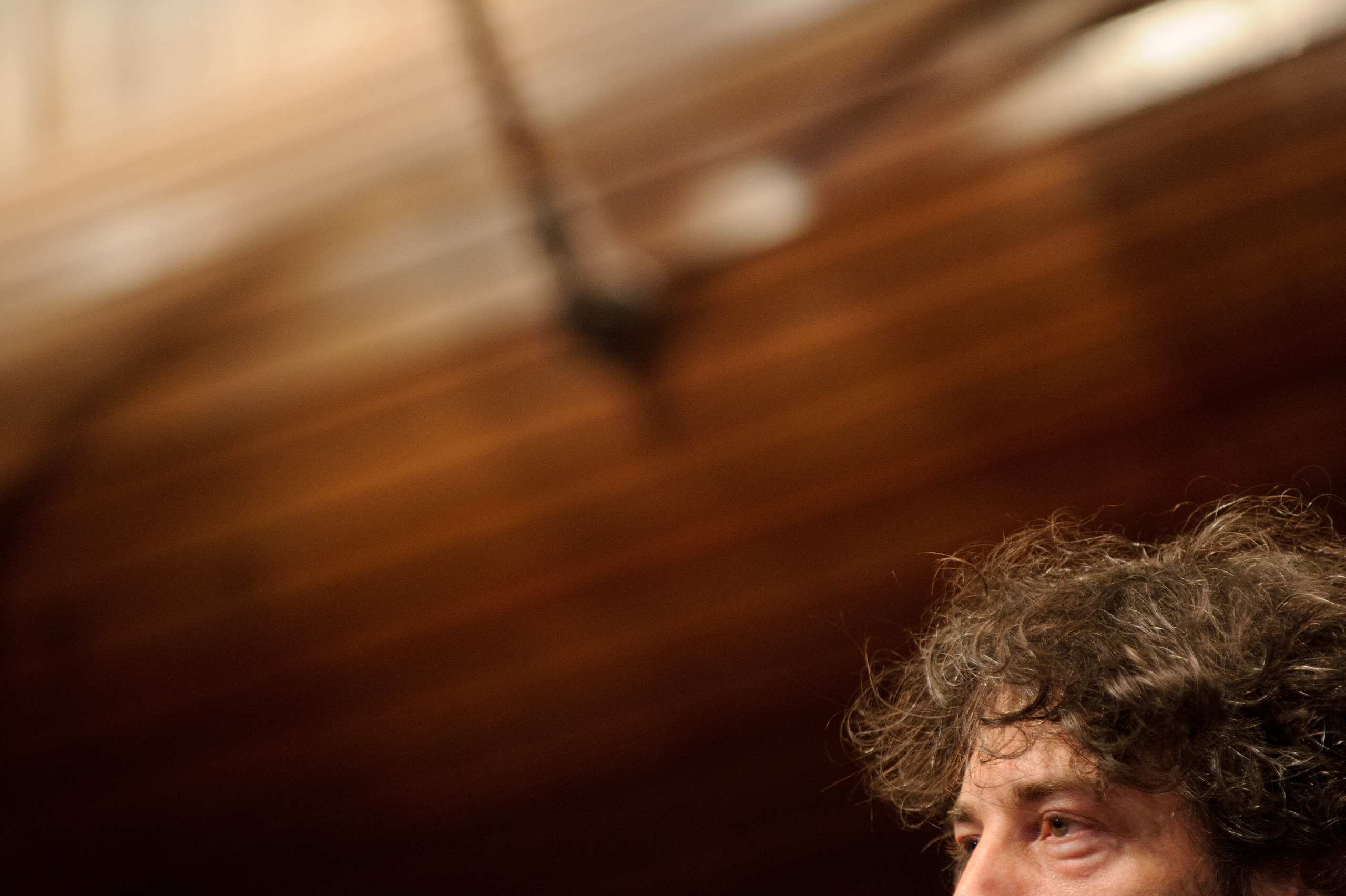
Technique: Prisming (improvised a distance setup on the bar coun)
The Goal
Create something different from the standard author headshot, even when working alone with the wrong lens.
The Vision
I walked into this shoot with only my 70-200mm f/2.8 on the camera… not exactly my go-to portrait lens and definitely not what I’d normally use for prisming. When I realized I didn’t have my usual 50mm-range lens with me, I had to improvise.
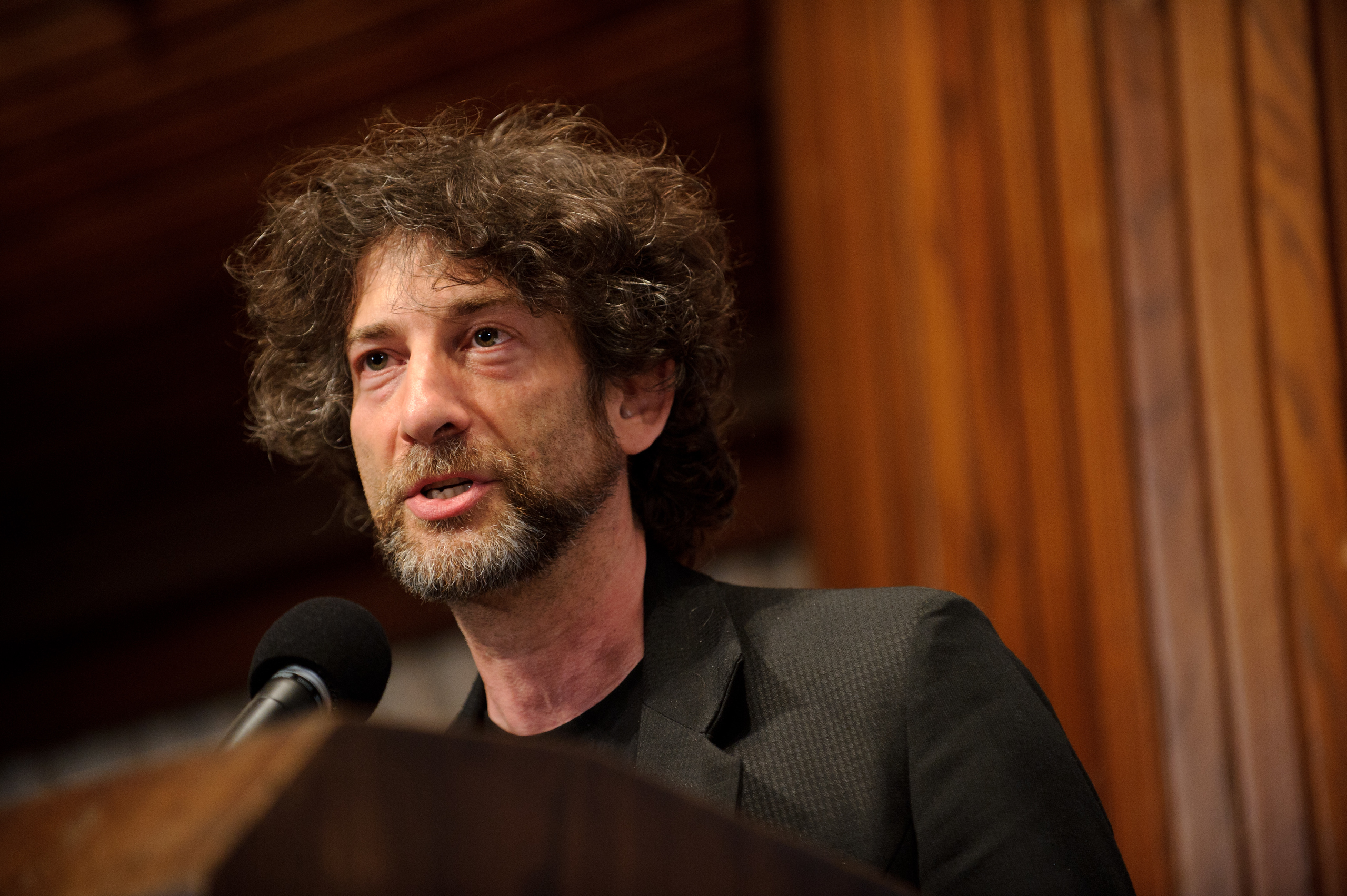
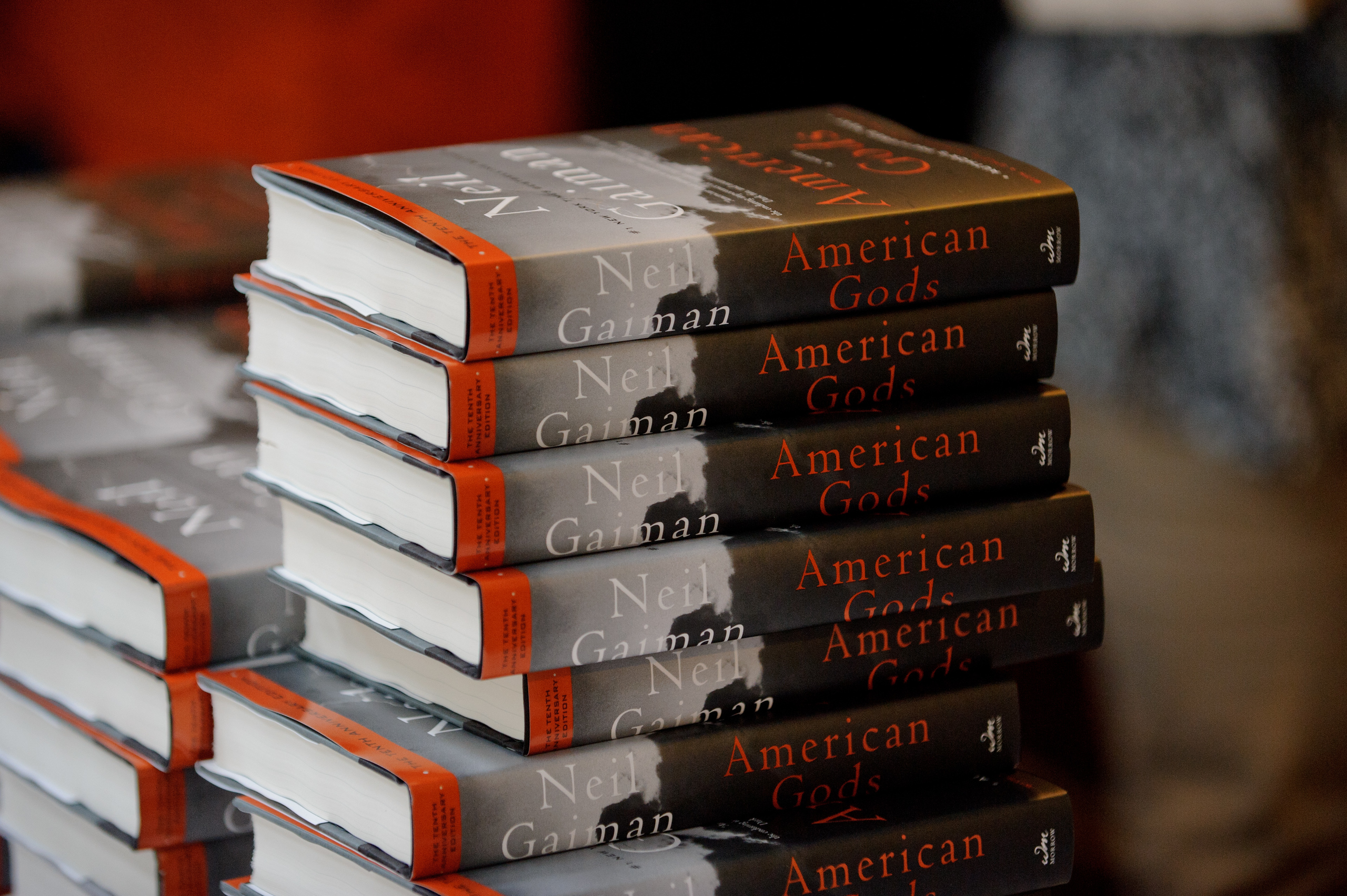
The problem with prisming at 200mm and f/2.8 is that the depth of field is so shallow that holding the prism right against the lens like I normally would just doesn’t work. You can’t see the prismatic effects at all… they’re too far out of the focal plane. So I did something I’d never tried before: I propped my prism up on a stack of American Gods books sitting on the counter and shot through it from a distance. The books became an improvised prism stand.
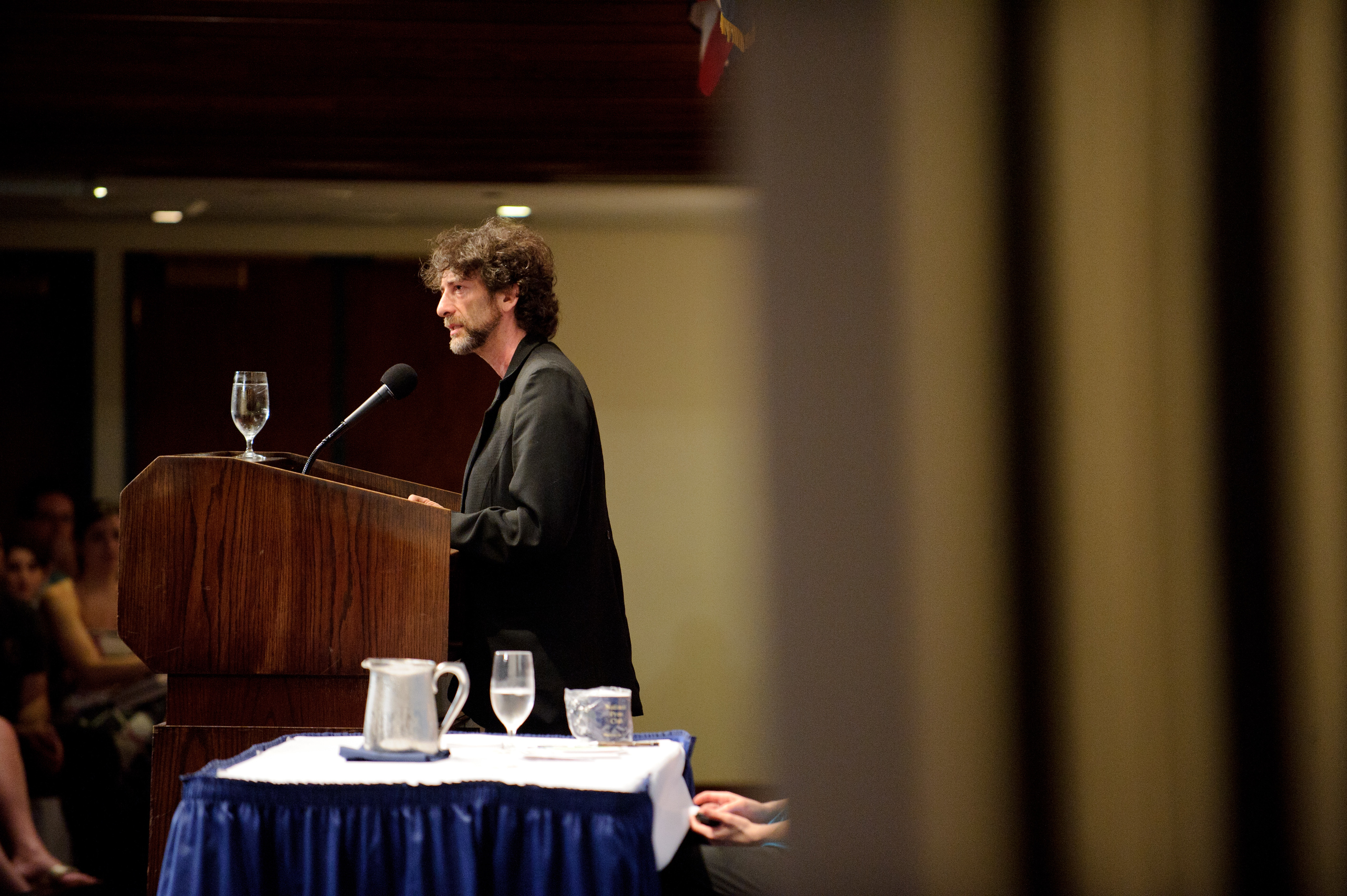
The lighting was a quick off-camera flash setup from camera left. Working completely solo with no assistant, I had to keep things simple. Looking at the image now, I wish there was more catch light in his eyes… the flash position isn’t quite where I would have placed it with more time. But when you’re grabbing a portrait in a side room moments before someone needs to address a sold-out crowd, you take what you can get.
The Story
I’ll be honest… I didn’t know who Neil Gaiman was before this event. I was just the house photographer doing my job, and someone very popular was coming through. The event sold out the moment it was announced, which should have been my first clue.
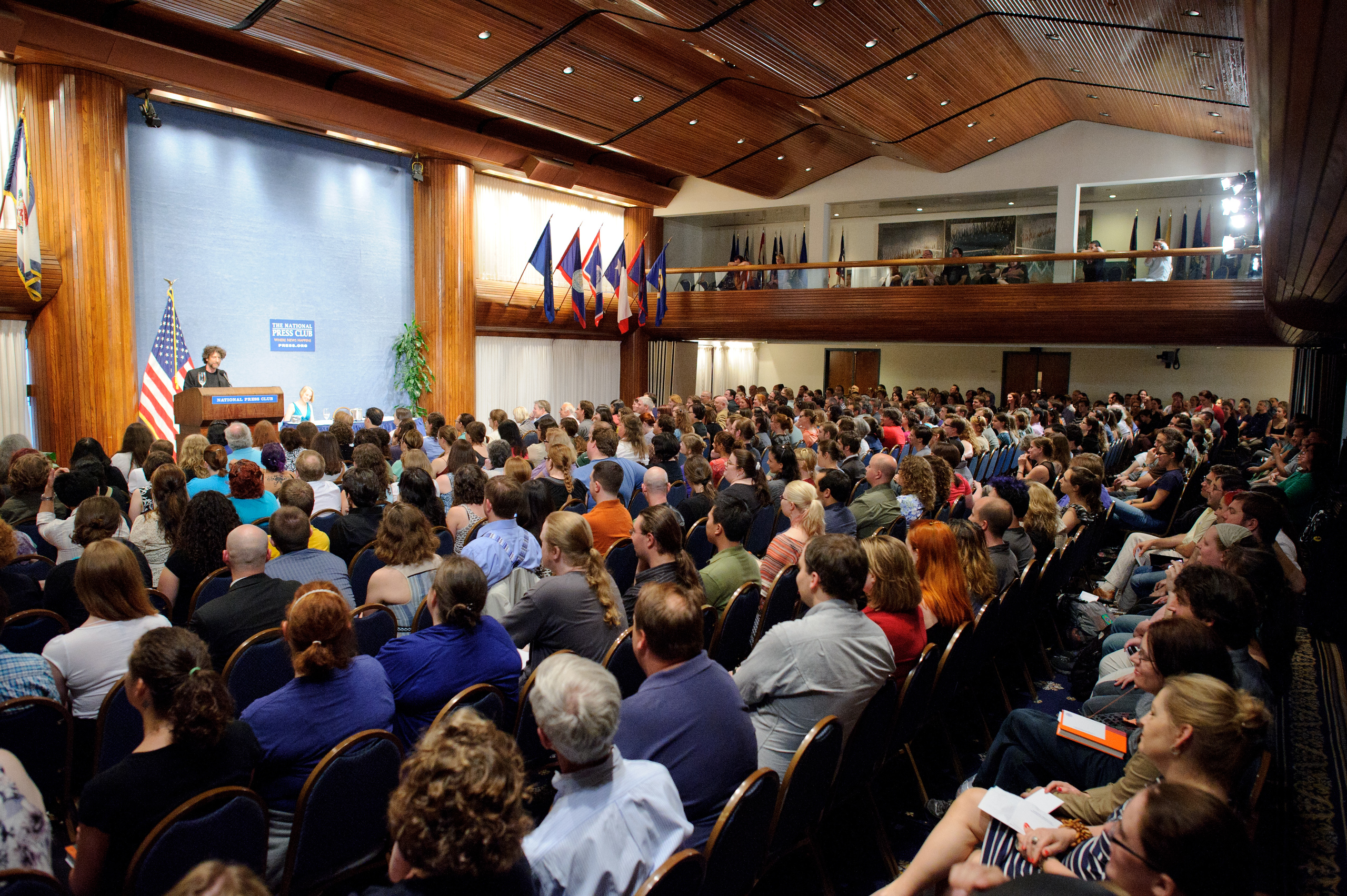
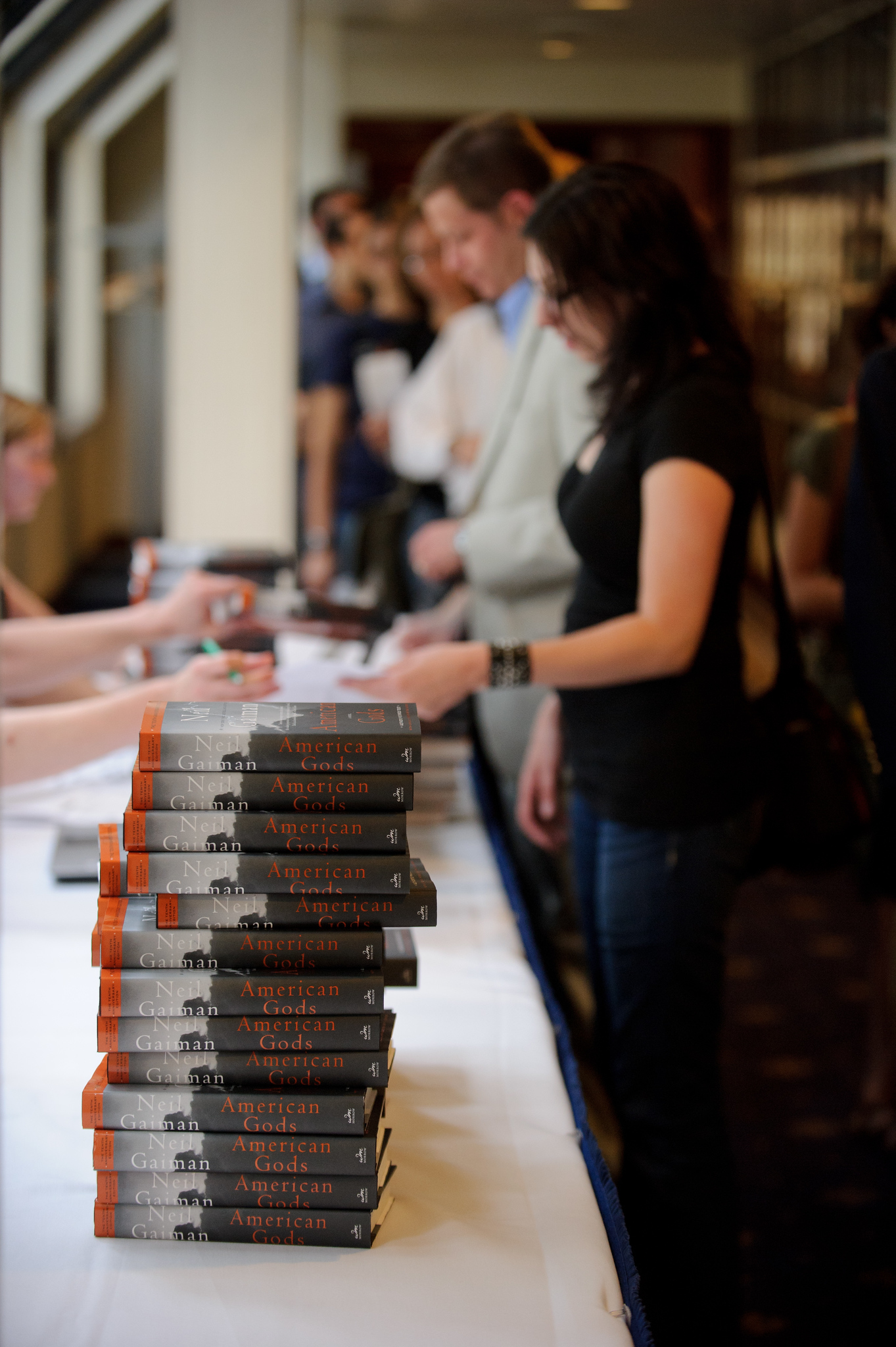
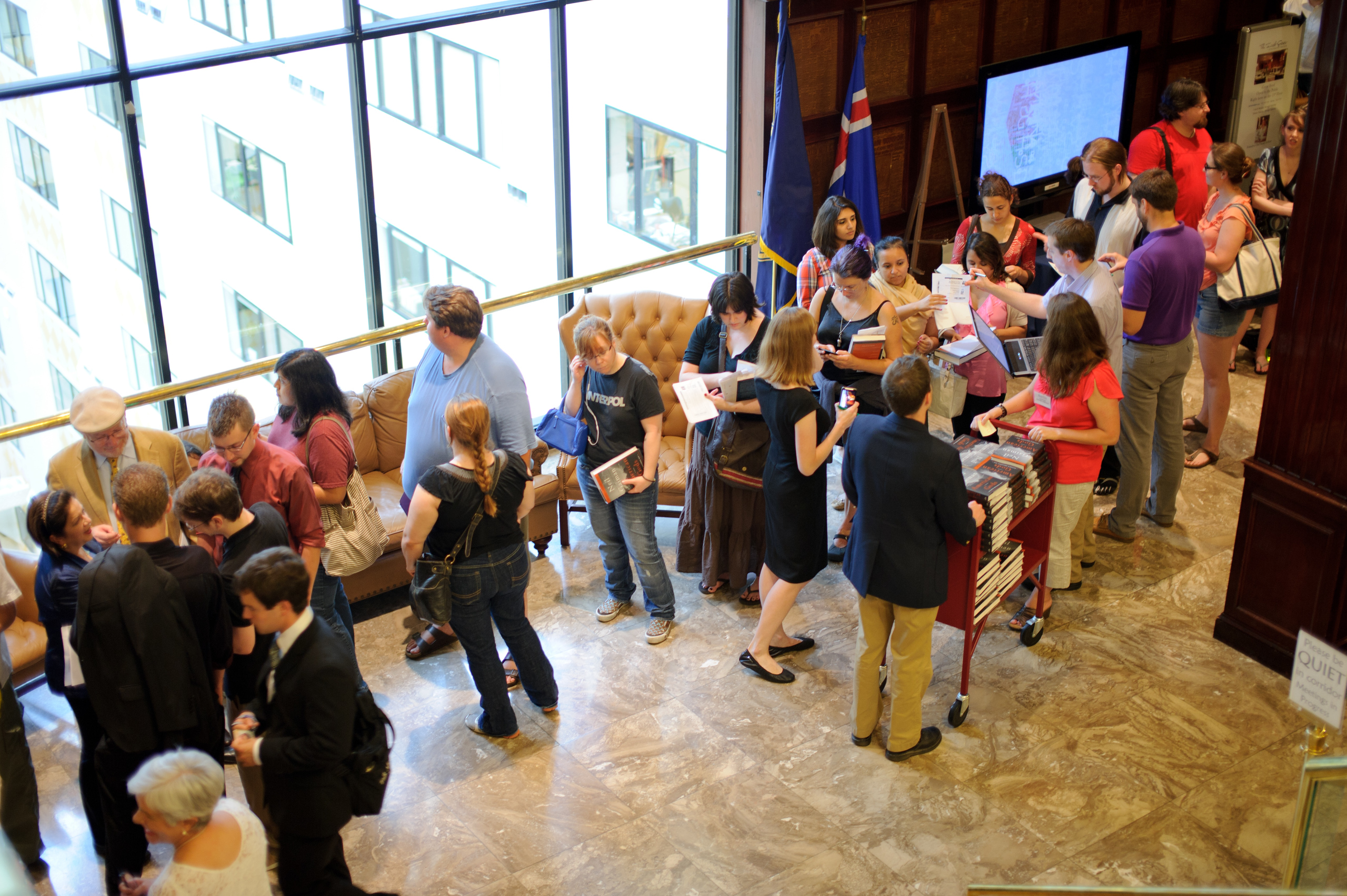
He was at the National Press Club for the American Gods: The Tenth Anniversary Edition book tour, a fundraiser for the Club’s Eric Friedheim Library. The ballroom was packed… every seat filled, people in the balcony, the whole nine yards. You can see in the wide shots just how many people showed up. According to Gaiman’s own blog at the time, the DC date sold out so fast he felt the need to apologize to fans who couldn’t get tickets.
The portrait happened in a room adjacent to the main ballroom, right before he went in to address the crowd. I had maybe a minute or two to set up and shoot. This was also one of my first times experimenting with video to document behind-the-scenes moments… the D3S was one of Nikon’s early professional bodies with video capability, and I was curious what I could capture.
The prism created these chromatic aberration halos around his wild curly hair… those rainbow edges you see are the light refracting through the glass. It gives the portrait an almost mystical quality that, in retrospect, feels appropriate for someone who writes about gods and magic and things that exist just outside normal perception.
The Lesson
Sometimes the “wrong” gear forces you to solve problems in ways you never would have considered otherwise. If I’d had my normal 50mm lens, I would have held the prism against the lens like I always did and gotten a perfectly fine prismed portrait. Instead, being stuck with a 200mm telephoto pushed me to try something new… propping the prism at a distance and shooting through it like a window.
The result is different from my other prism work. The effect is more subtle, more integrated into the overall image rather than dominating the frame. I’m not sure I ever would have discovered this variation if I hadn’t shown up with the wrong lens.
Working solo also reinforced something I already knew but sometimes forgot: keep your lighting simple when you’re by yourself. One light, one modifier, get the shot. You can always complicate things when you have help. When you’re alone, complexity is the enemy of getting the image at all.
The Epic Portrait Series