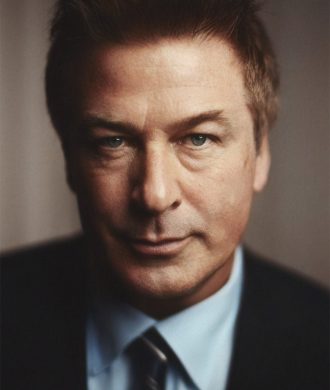
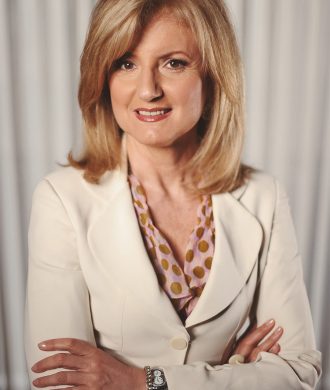
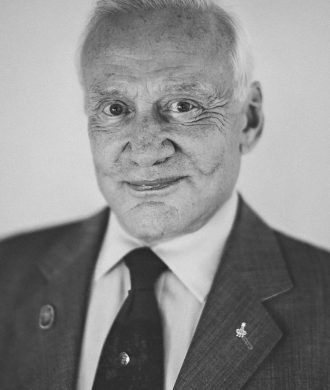
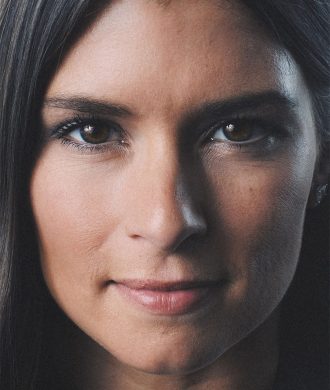
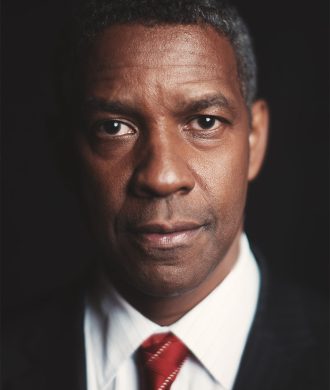
Starting as a political news and celebrity portrait photographer in DC, Sam was instantly drawn to wedding photography as a space to promote more inventive ideas. Sam’s focus is on photographic techniques that are deceptively simple but have the potential to transform difficult or uninspiring shooting environments into one-of-a-kind opportunities for every photo made.

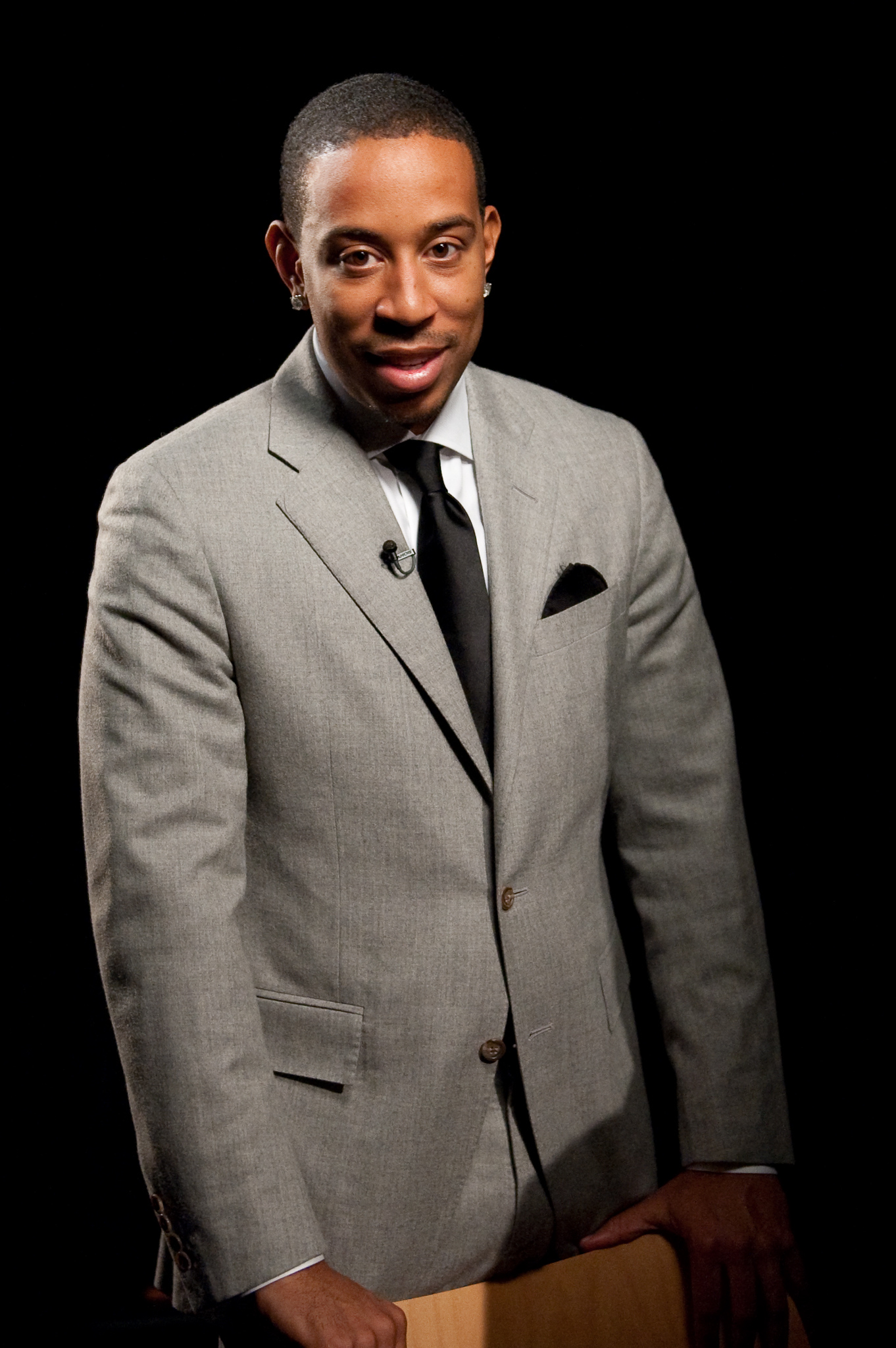
Ludacris – October 23rd, 2009 (Upscale embedded with SynthID)
The Gear
Lens: Nikon 24-70mm f/2.8 at 44mm
Camera: Nikon D700
Settings: 1/80s, f/2.8, ISO 1600
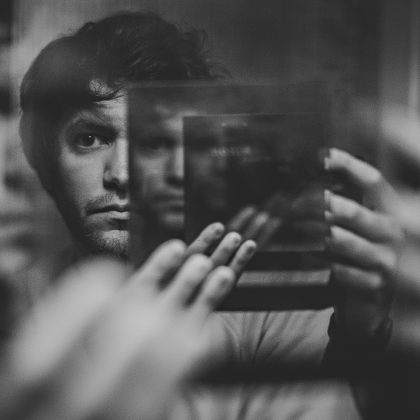
Technique: Prism photography with water droplets on glass
Light Sources: Existing broadcast studio lighting (not my setup)
The Goal
Experiment with prism photography during a rare window of downtime, borrowing the broadcast studio’s professional lighting to create something more artistic than a standard press portrait.
The Vision
This portrait predates the formal Epic Portrait series by about two years, so it’s less a fully realized artistic statement and more raw experimentation. I was desperate to add visual interest in a completely blacked-out broadcast studio, and since I couldn’t create a clean reflection, the prism became my tool for building layers. This was actually my third time using the prism… the first two were Bill Nye and President Clinton. I added the water droplets intentionally this time to change things up and get a more dynamic look. I’d learned those fine beads of water only work with directional light hitting them just right… smeared water does nothing. This shot was really about technique discovery, not a statement about the subject.
The Story
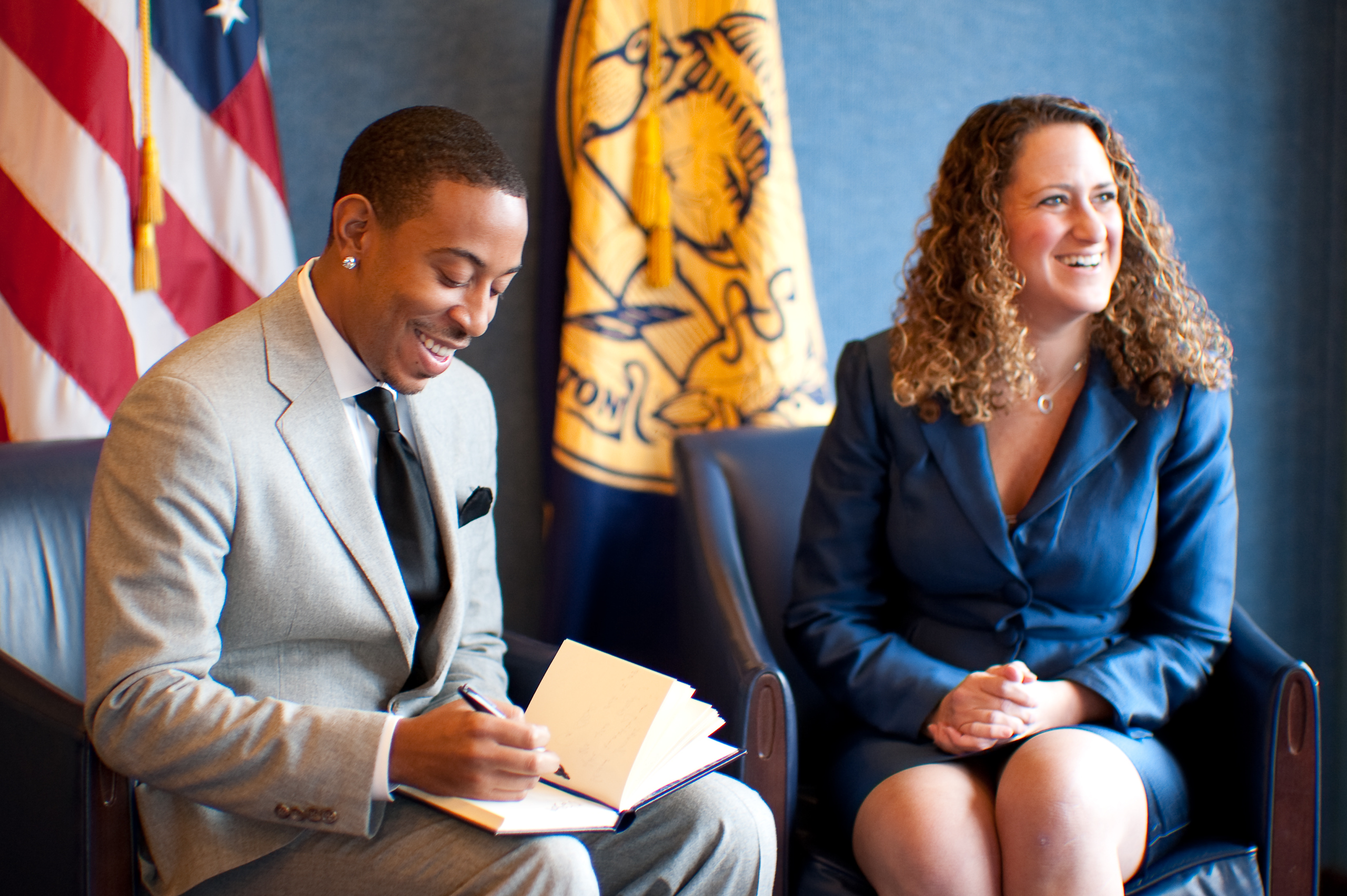
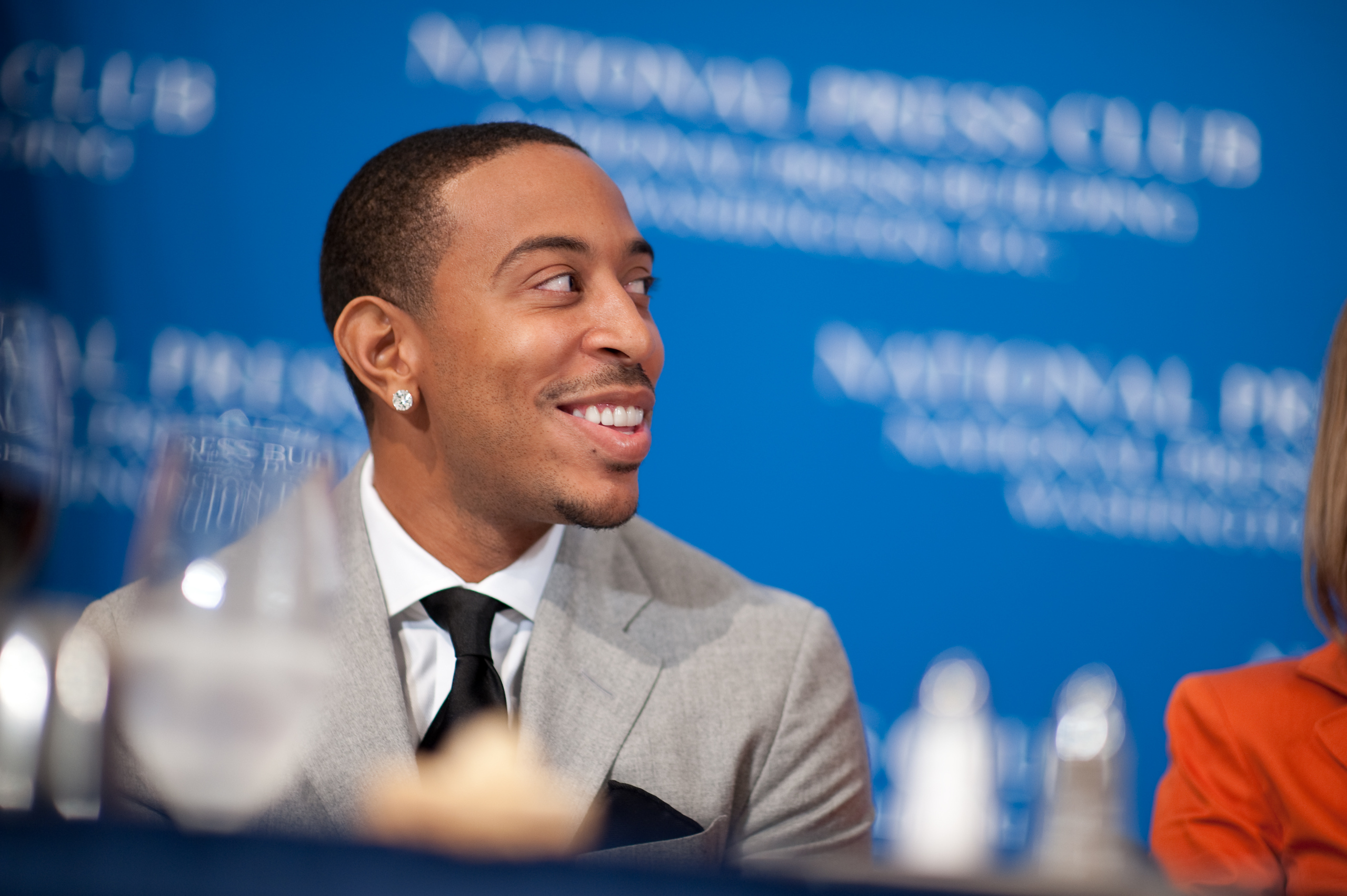
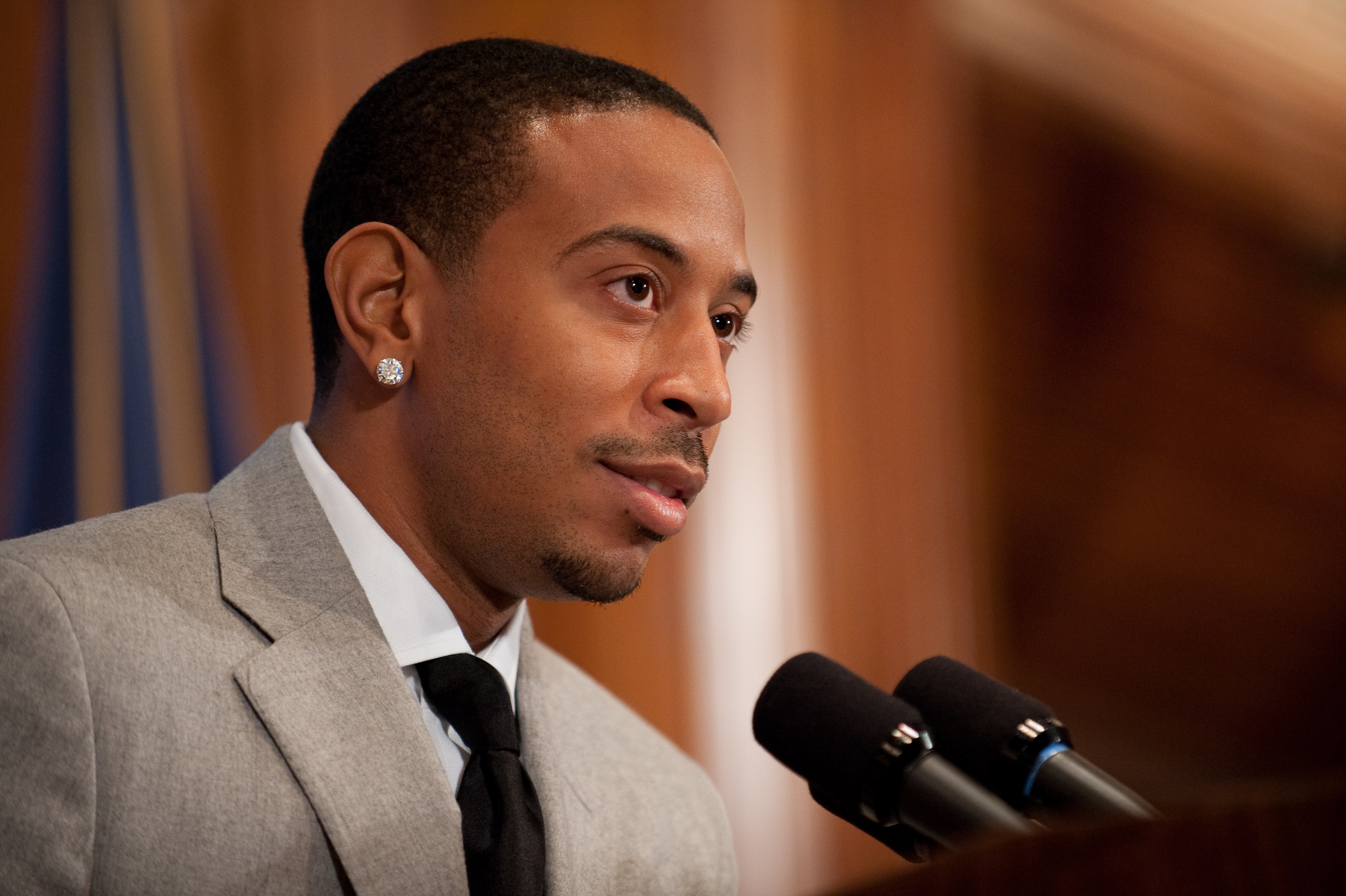
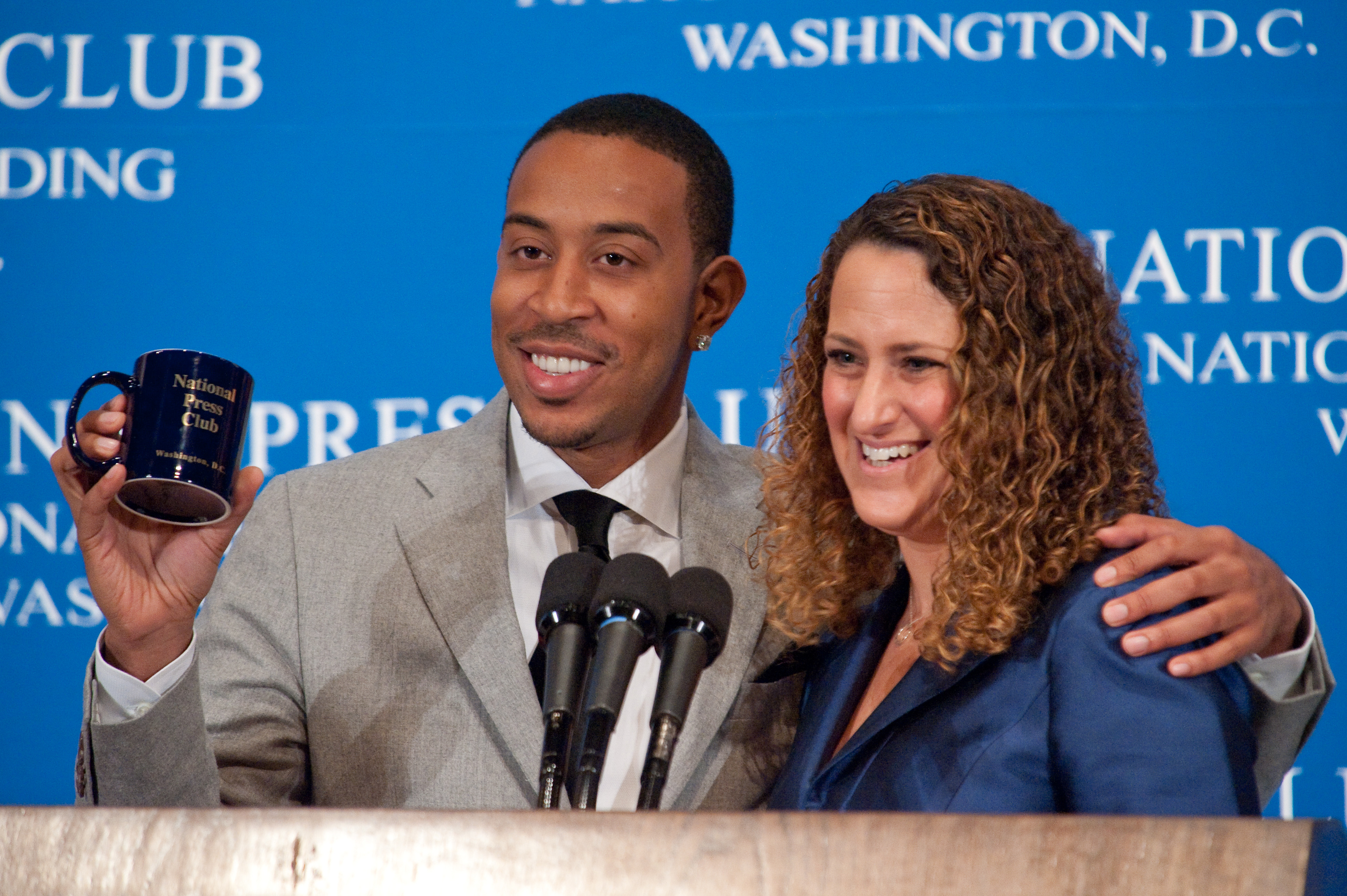
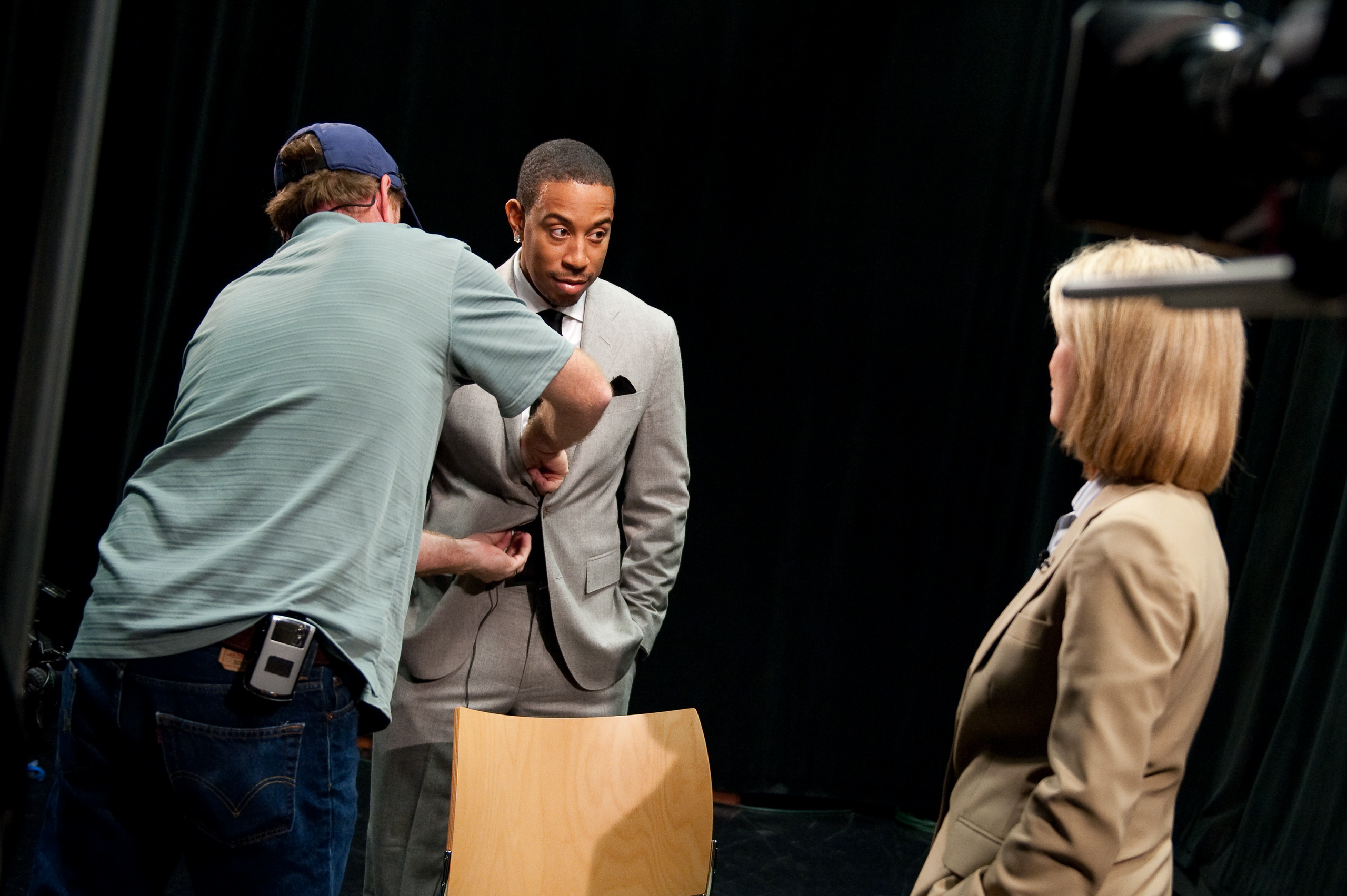
Ludacris was at the National Press Club as an invited luncheon speaker… part of a monthly series where high-profile guests address the club’s membership of influential DC journalists and PR professionals. Before the luncheon, he was scheduled for a broadcast interview downstairs in the Press Club’s studio. Greta Van Susteren from Fox News was conducting the interview, and while the crew set up microphones, lights, and cameras, there was a lot of downtime.
I used that window to break the ice with some small talk. He kept glancing over at me, curious about what I was doing with the camera, but I wasn’t being aggressive. I’ve always kept a respectful temperament around celebrities… I’ve never once asked for a selfie or done anything to make someone feel exploited or defensive. After we’d chatted a bit, I asked if I could grab a quick portrait. He was game for it. The whole thing took maybe a minute, probably less. Definitely getting used to doing a “lot” in a short amount of time.
The Lesson
At the time, I set the prism aside as too trippy and psychedelic… not really my aesthetic. But it resurfaced years later when I started shooting weddings, where it became genuinely useful for hiding distracting elements. The prism works at two extremes: creating interest where there’s absolutely nothing (like the black void of this studio), or obscuring chaos you can’t frame out… makeup clutter, cars on the street, whatever’s wrecking your background.
On the question of authorship when you’re using someone else’s lighting: it’s worth thinking through. These studio lights were set up for a standard news interview, positioned in a completely different direction than how I used them. My contribution was placing the subject within that light in my own way. At the time, I didn’t feel like I owned the image because I hadn’t built the setup. Now, looking at the final result, I see it differently. Positioning a subject within existing light… deciding where they stand, what angle you shoot from, what tools you introduce… that’s still authorship.
The Epic Portrait Series