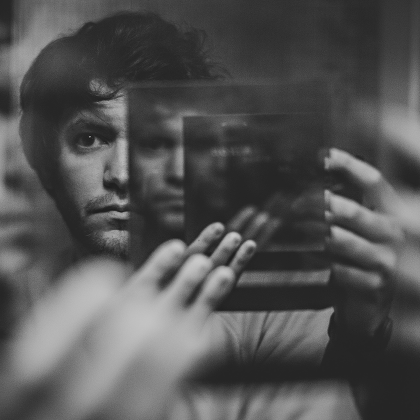


Starting as a political news and celebrity portrait photographer in DC, Sam was instantly drawn to wedding photography as a space to promote more inventive ideas. Sam’s focus is on photographic techniques that are deceptively simple but have the potential to transform difficult or uninspiring shooting environments into one-of-a-kind opportunities for every photo made.

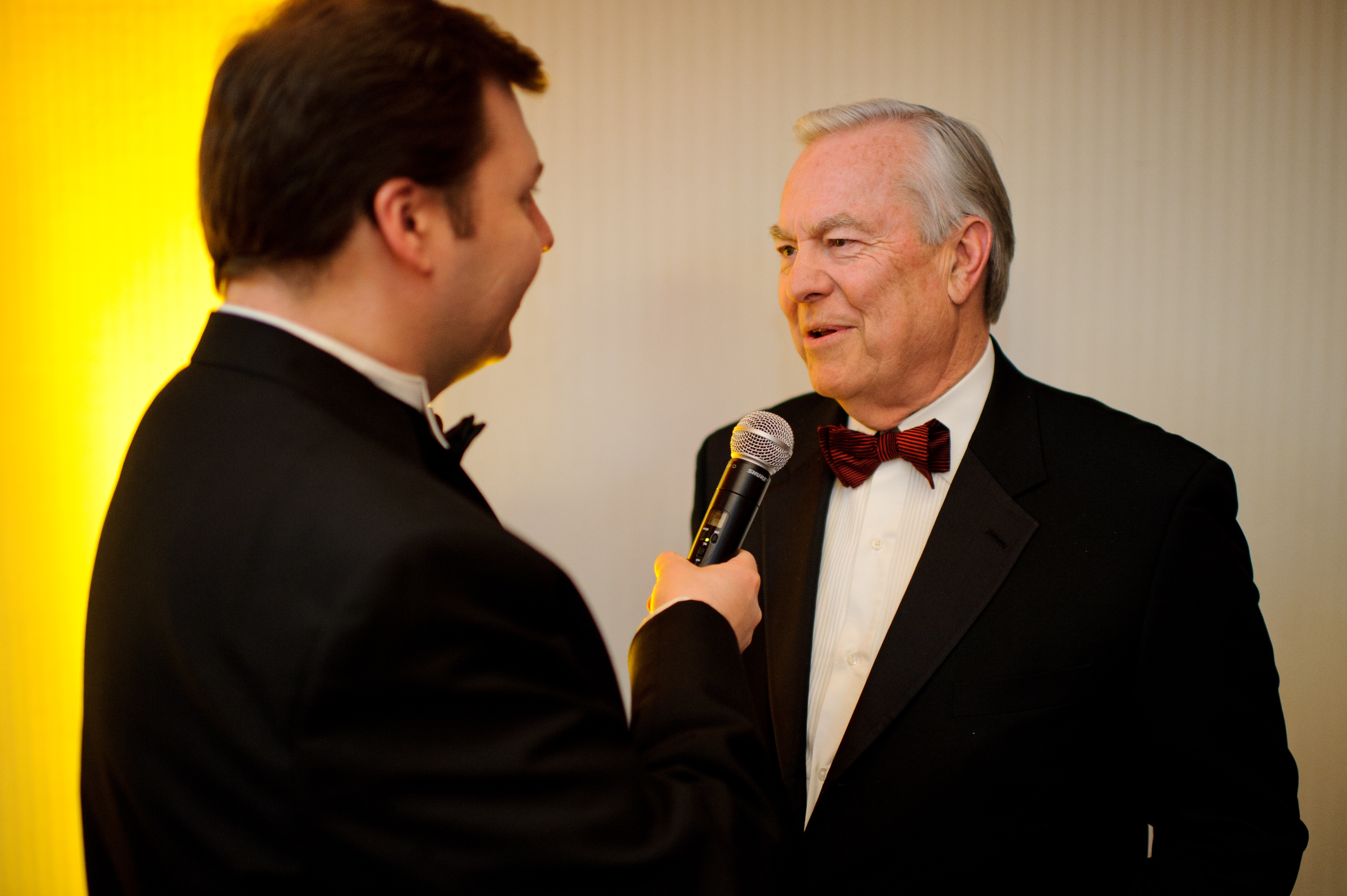
Helen Thomas – January 29, 2011 (Upscale embedded with SynthID)
The Gear
Lens: Nikon 70-200mm f/2.8 at 200mm
Camera: Nikon D3S
Settings: 1/160, f/2.8, ISO 2500
Editing: B&W conversion in Alien Skin Exposure to handle mixed lighting and high ISO grain
The Goal
Capture a candid portrait of one of the most legendary journalists in American history during a formal Press Club event.
The Vision
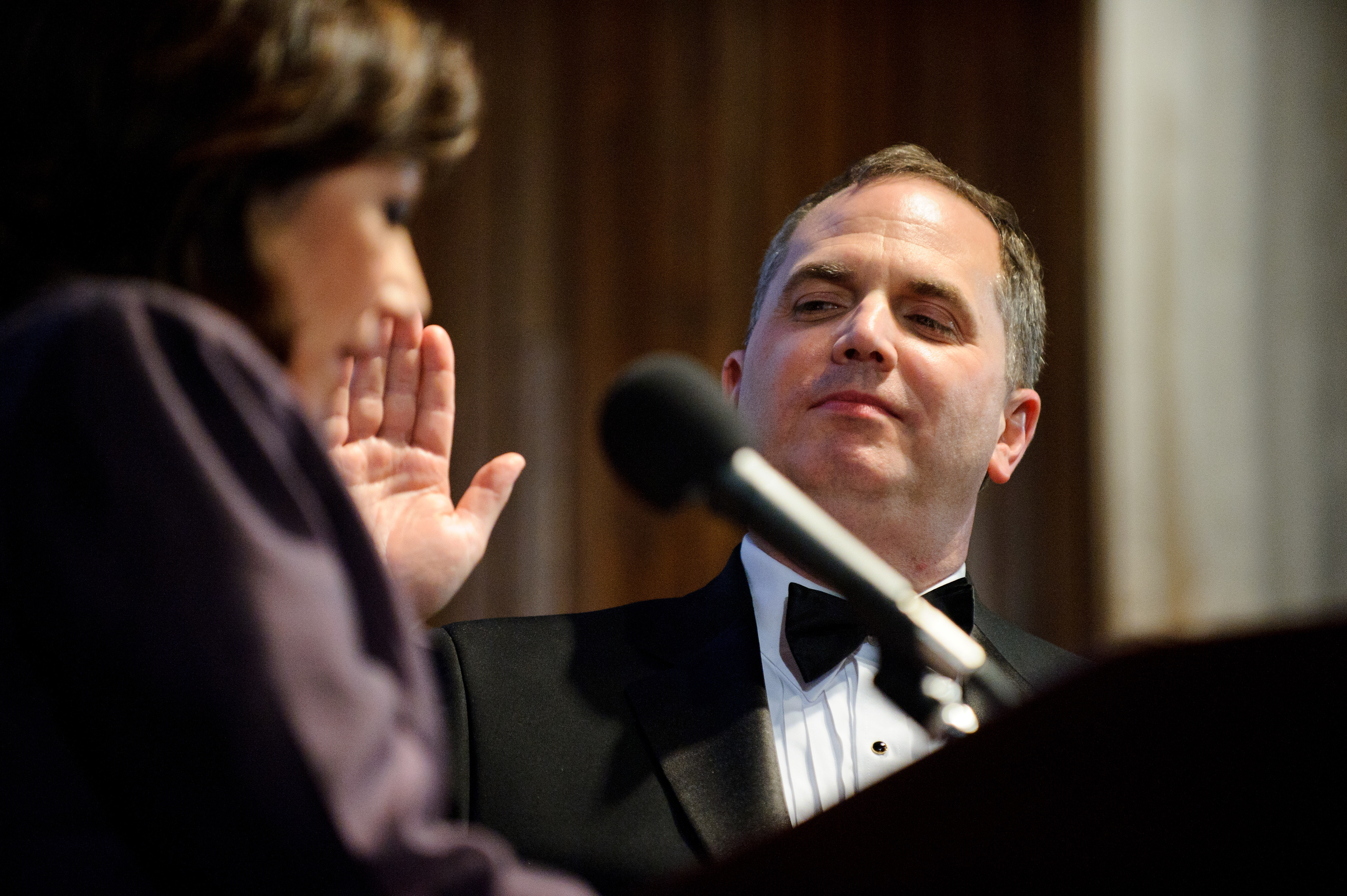
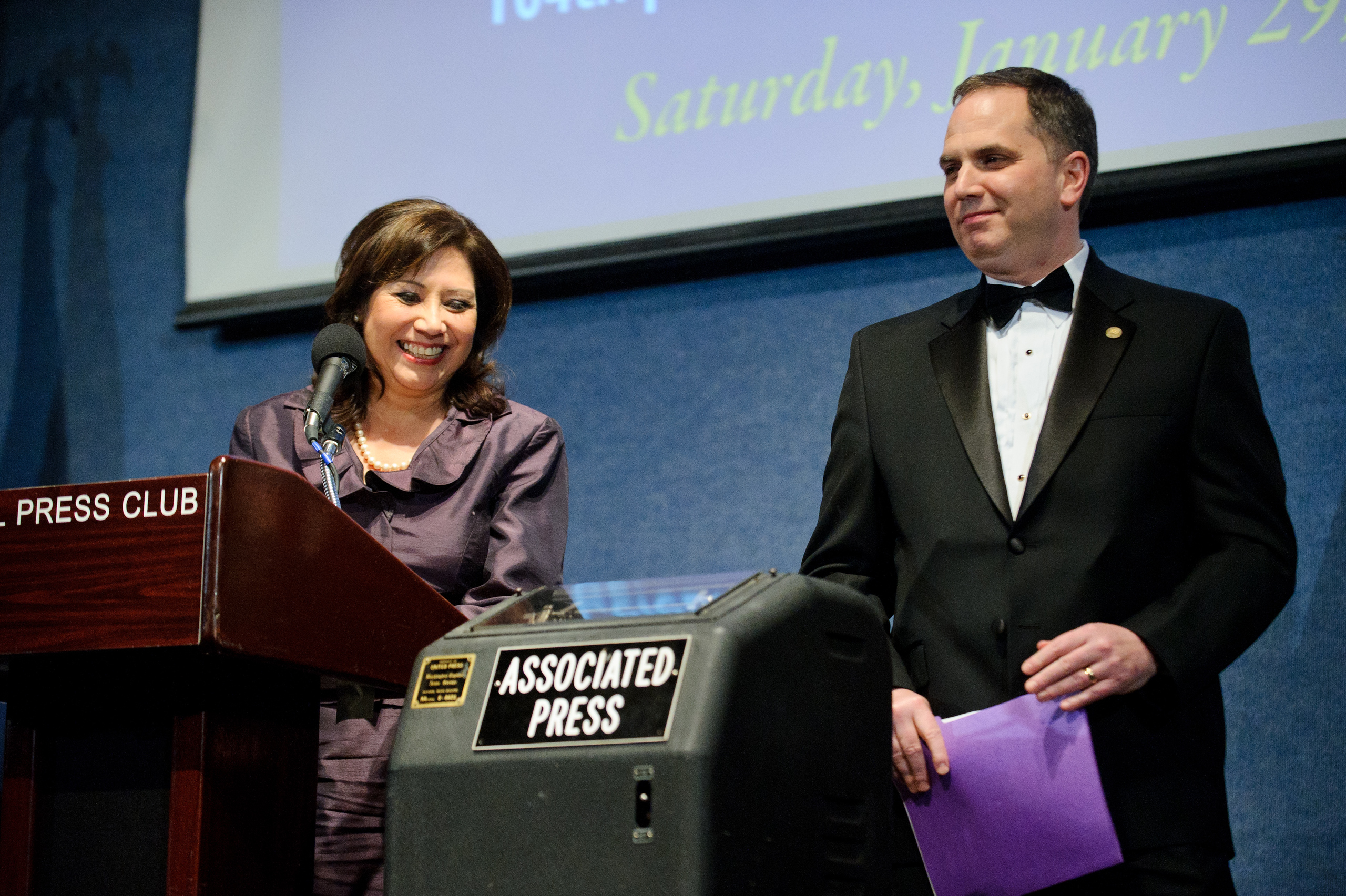
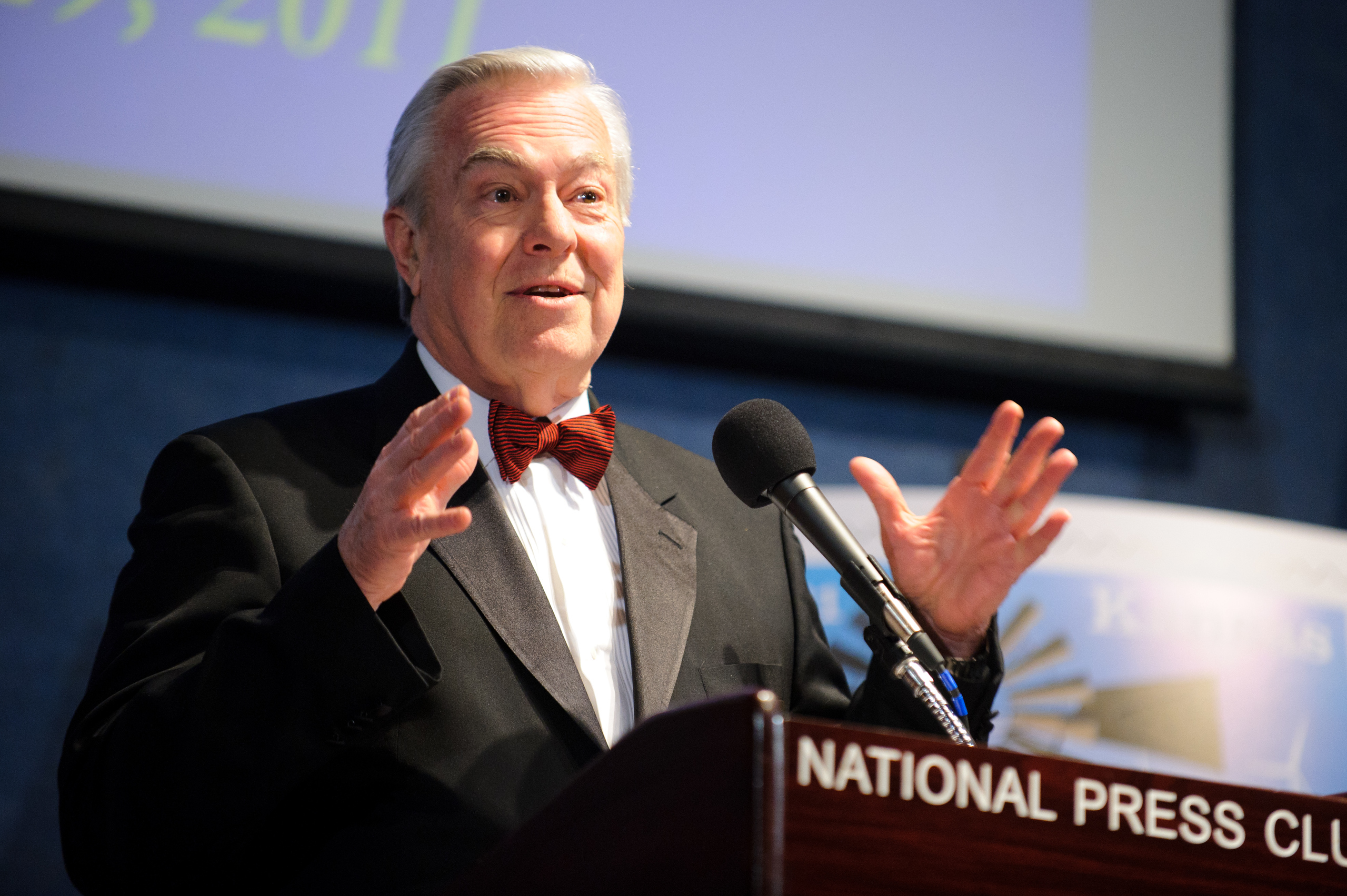
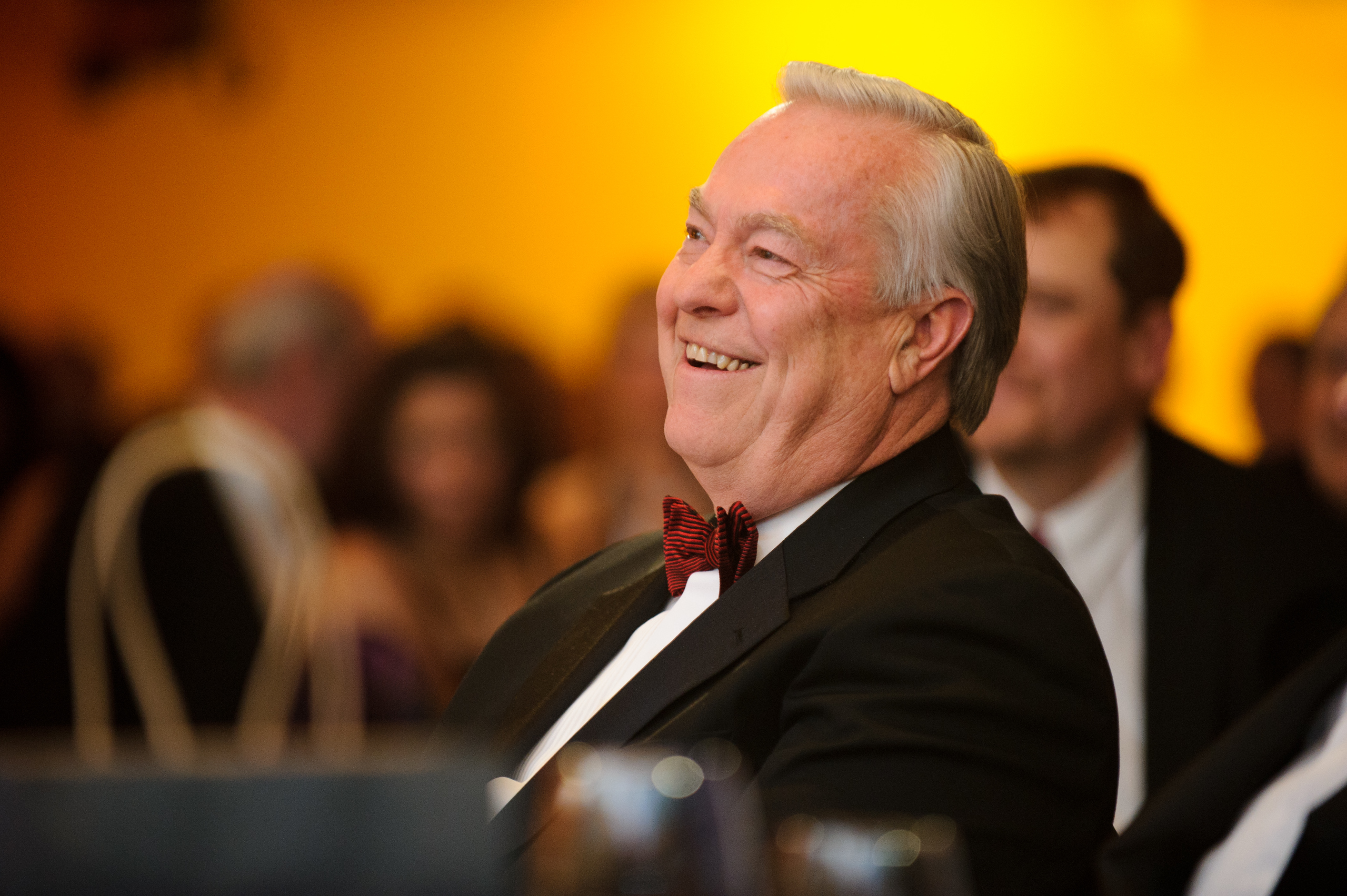
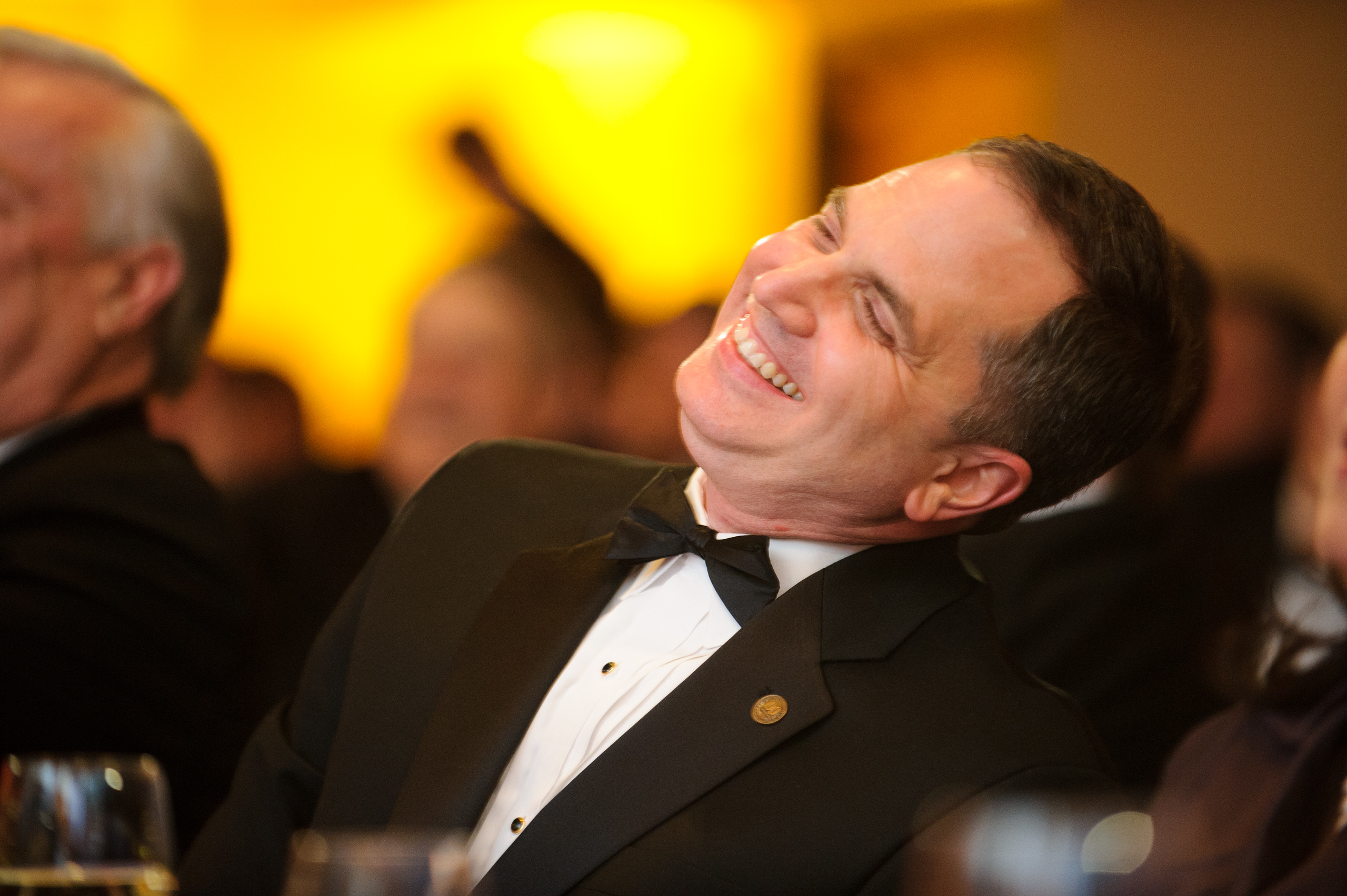
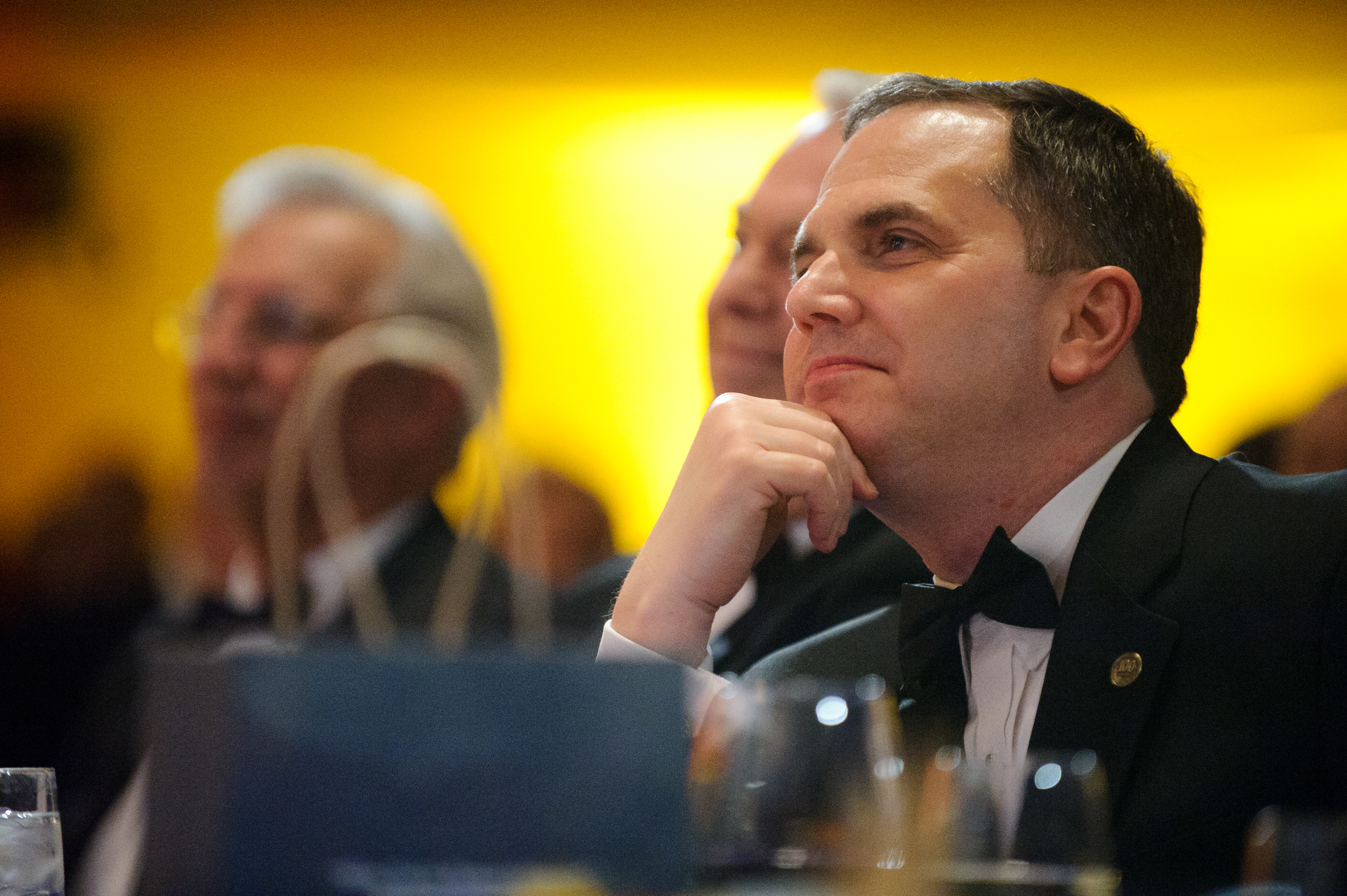
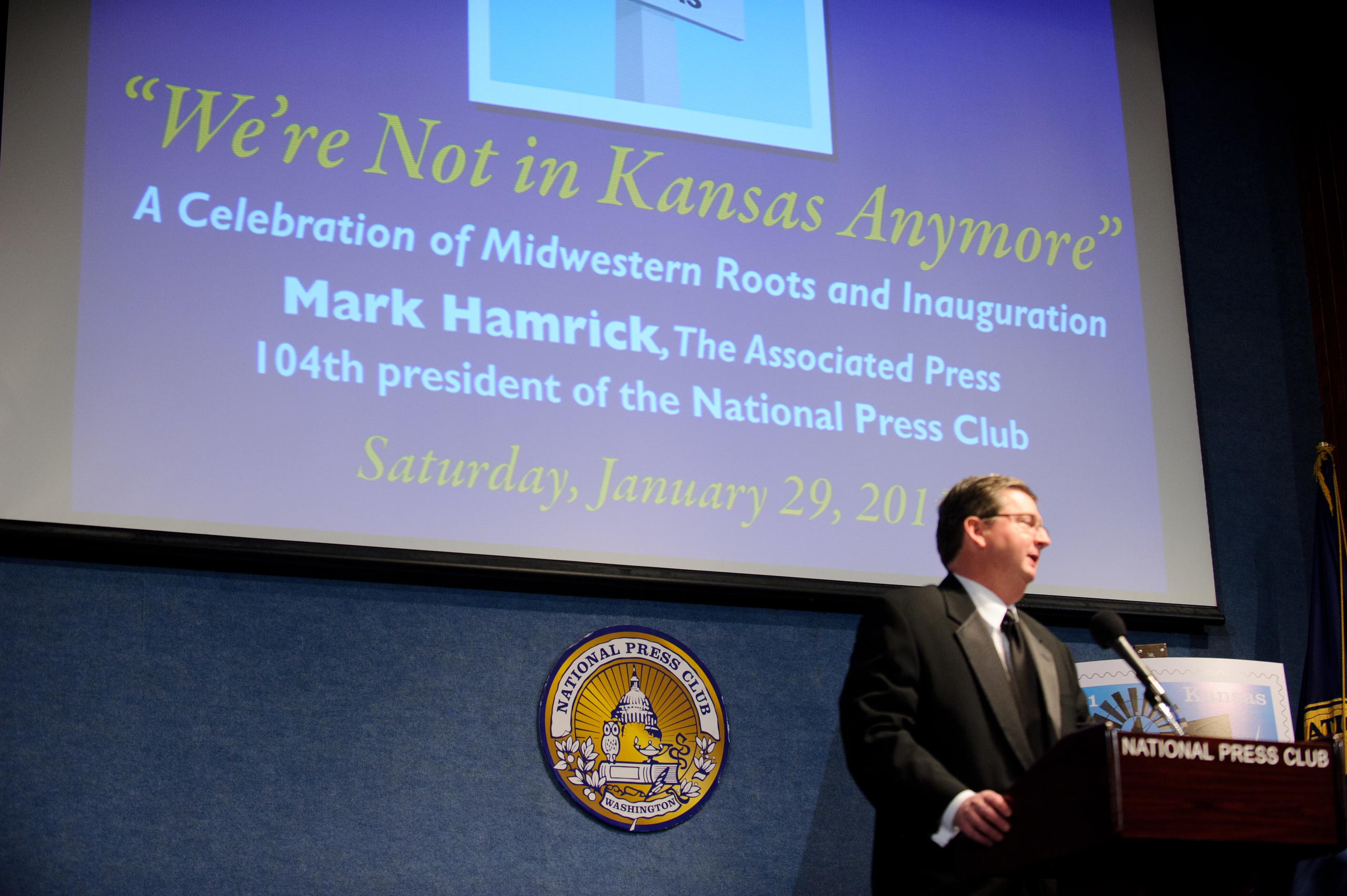
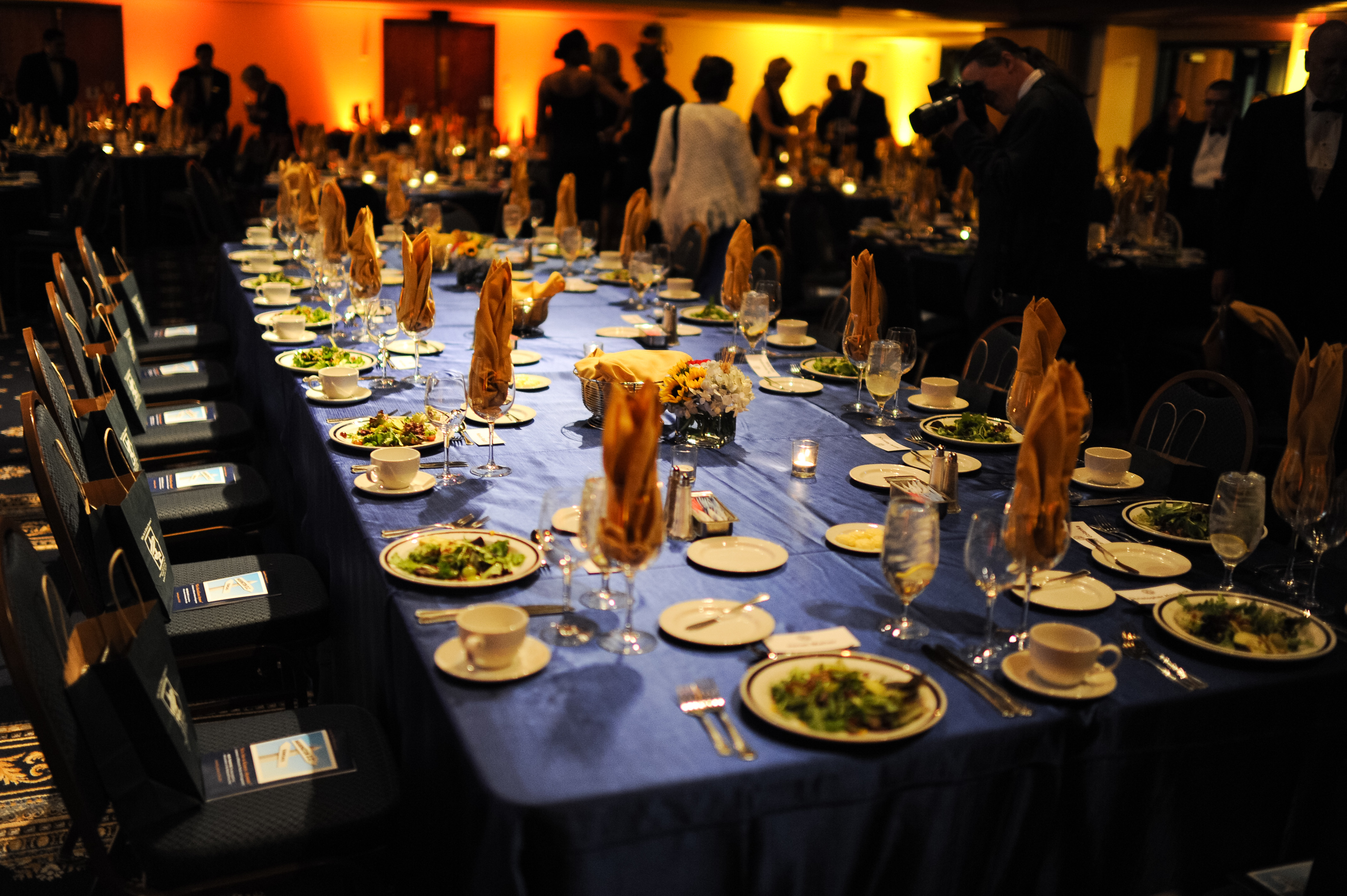
This is a 200mm compression shot across the ballroom during “We’re Not in Kansas Anymore”… the inauguration gala for Mark Hamrick as the 104th President of the National Press Club. The theme celebrated Hamrick’s Midwestern roots, with legendary broadcaster Bill Kurtis as a featured speaker. Helen Thomas is sitting at her table, surrounded by the warm orange uplighting of the ballroom, and I’m shooting through the visual chaos of a formal dinner… water glasses, other guests, the ambient motion of the room.
The image was underexposed. ISO 2500 on the D3S was pushing it for that era, and I needed to recover the file in post. The B&W conversion wasn’t just an aesthetic choice… it was problem-solving. Mixed color temperatures from the tungsten stage lights, the orange event uplighting, and whatever else was bouncing around that room created a color cast nightmare. Converting to black and white unified everything and let the grain from the high ISO become part of the texture rather than a distraction.
And what texture. Every line on her face tells a story. This was a woman who had covered every president from Kennedy to Obama. Who had fought to be admitted to this very room when women were barred in 1959. Who had become the first female officer of the National Press Club, the first female president of the White House Correspondents’ Association, the first female member of the Gridiron Club. All of that history is written in those features.
The Room
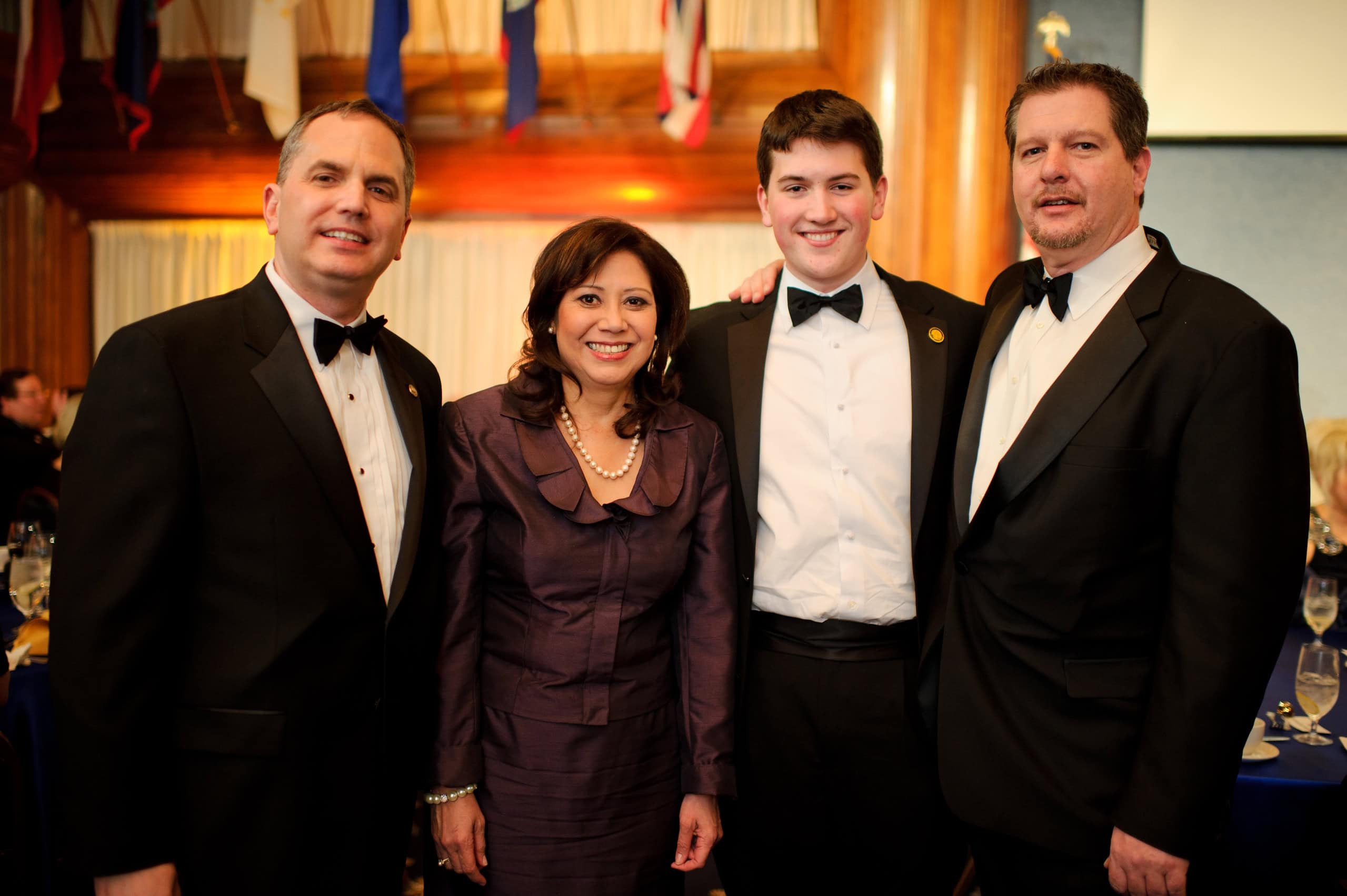
The ballroom was full of journalism’s past and present that night. Hilda Solis, Obama’s Secretary of Labor and the first Latina to serve in the Cabinet, was there as a guest of honor. She’d been confirmed almost exactly two years earlier and was in the thick of the administration’s response to the Great Recession, fighting for worker protections and speaking out against attacks on collective bargaining rights.
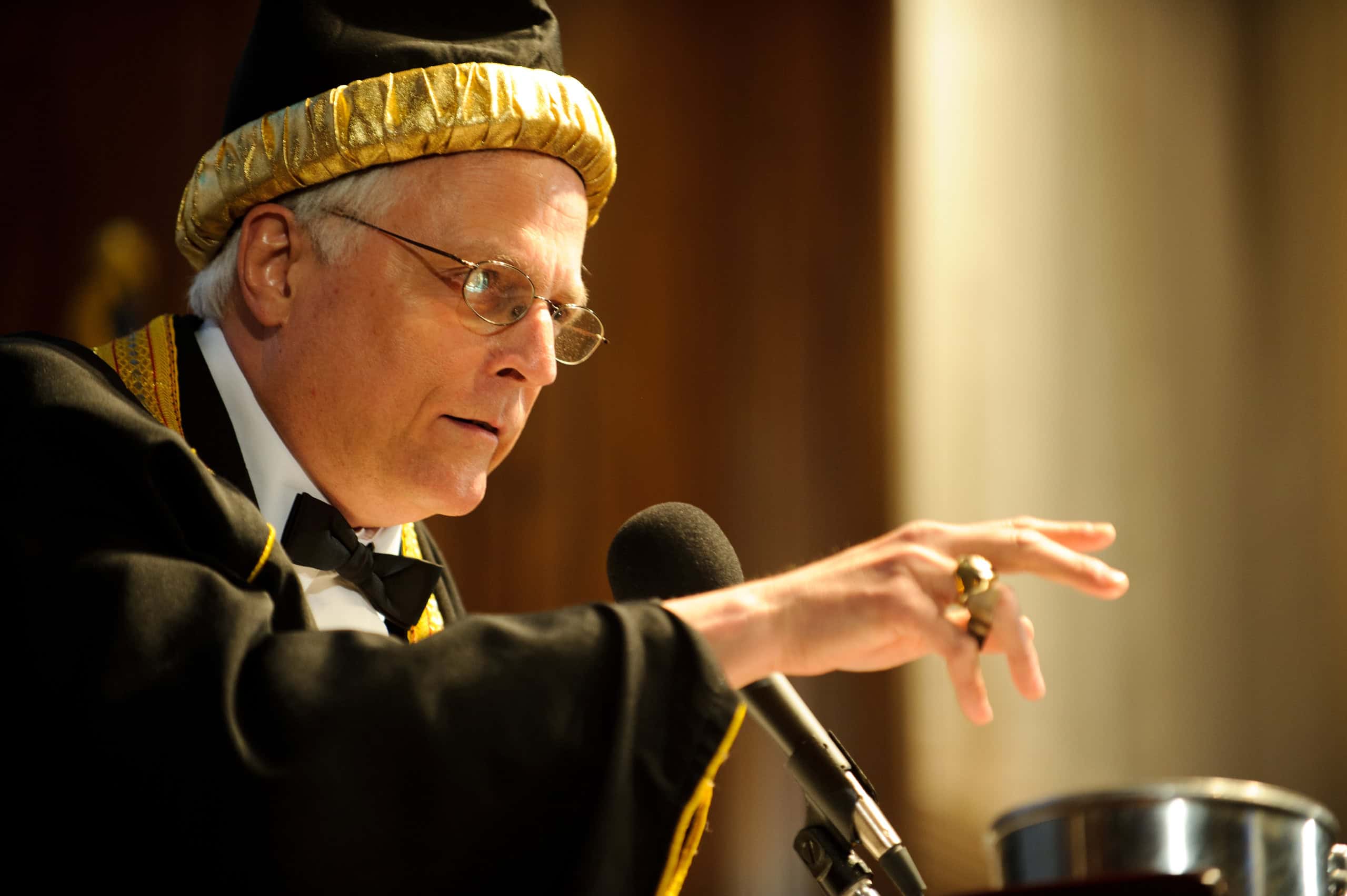
Gil Klein, the 1994 NPC President who now serves as the club’s official historian, was there in ceremonial robes for the formal installation. Klein has spent decades documenting the club’s history, eventually publishing “Tales from the National Press Club” in 2020. He’s the institutional memory of the place… the person who can tell you that Charles Lindbergh spoke in that ballroom in 1927, that C-SPAN’s first call-in show originated from a tiny room on the 14th floor, that Bill Clinton’s first NPC appearance drew such a small crowd they held it in the lounge instead of the ballroom.
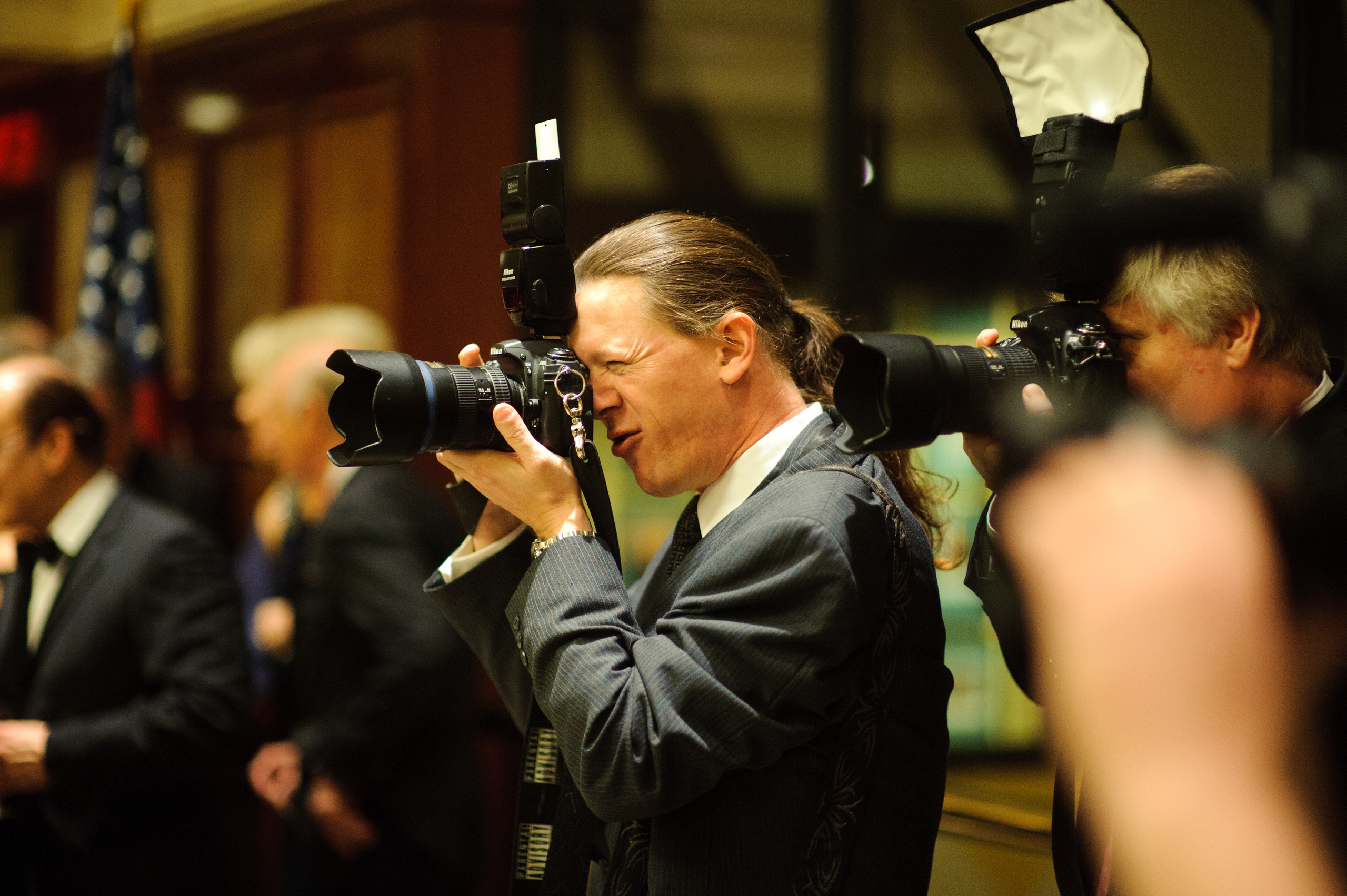
And scattered throughout the room were photographers covering the event, their flashes punctuating the speeches and toasts. That’s the strange recursiveness of Press Club events… journalists covering journalists, the media documenting itself.
The Story
Helen Thomas was 90 years old when I photographed her that night. Just seven months earlier, her 50-year career covering the White House had ended in controversy after comments she made about Israel. She’d resigned from Hearst Newspapers and lost her famous front-row seat in the briefing room.
But she hadn’t retired. That same month… January 2011… she’d started writing again for the Falls Church News-Press, a small Virginia weekly. When the editor approached her, she reportedly said, “You don’t want me. I’m poison.” He hired her anyway.
So here she was, back in the ballroom of the National Press Club… the institution she’d helped integrate, where she’d won the Fourth Estate Award in 1984 as the first woman ever to receive that honor. She had an understated presence that night. Quite old, a bit frail. But there was still something fiery in her eyes, a snappy personality that decades of asking uncomfortable questions to powerful men had honed into something sharp and unmistakable. You can read that interface between fragility and fire right there in her expression.
She was recognized as being there, but received no special honor. Just another guest at another inauguration dinner. For someone who had shaped the very institution she was sitting in, there was something both poignant and defiant about her presence.
I’d interact with her again a few months later at a young members’ meeting for the Press Club, where she came to mentor and answer questions. The same willingness to engage, to pass on what she knew, even after everything that had happened. And I’m fairly certain I’d seen her before, at Christiane Amanpour’s Fourth Estate Award dinner in November 2008… the legends of Washington journalism tended to show up when one of their own was being honored.
At the time, I only knew her as “famous journalist.” I didn’t fully understand her history with the Press Club… how she’d fought to be admitted to Khrushchev’s 1959 speech when women were literally barred from the room, how she’d broken barrier after barrier for female journalists, how her signature “Thank you, Mr. President” had ended White House press conferences for decades. Learning all of that later made this candid portrait feel more significant than I’d realized when I took it.
The Lesson
Sometimes you’re photographing history and you don’t even know it. I shot this as event coverage… one frame among hundreds from a formal dinner. It wasn’t until years later, researching her life, that I understood what I’d captured: one of the most important figures in American journalism, in the institution she’d helped build, near the end of a complicated life.
Pay attention to the elders in the room. Their stories are usually more interesting than the people at the podium.
The Epic Portrait Series