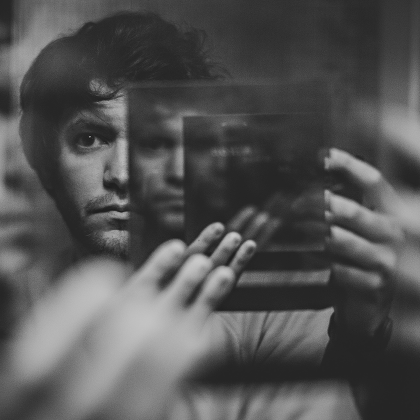

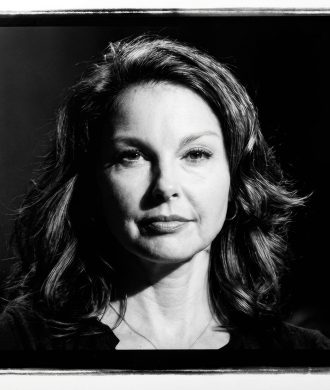
Starting as a political news and celebrity portrait photographer in DC, Sam was instantly drawn to wedding photography as a space to promote more inventive ideas. Sam’s focus is on photographic techniques that are deceptively simple but have the potential to transform difficult or uninspiring shooting environments into one-of-a-kind opportunities for every photo made.

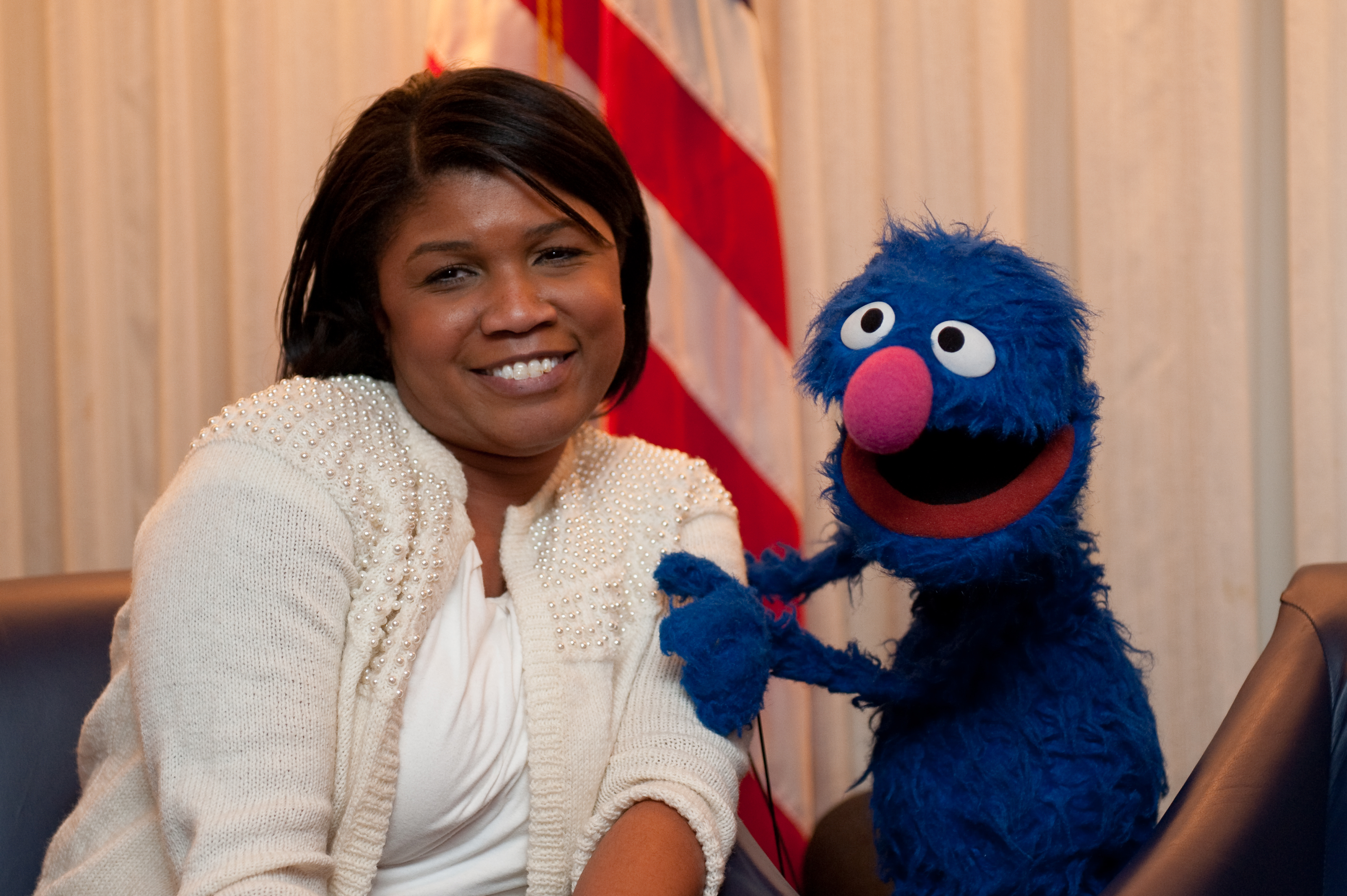
Grover – December 8, 2009 (Upscale embedded with SynthID)
The Gear
Lens: Nikon 24-70mm f/2.8 at 38mm
Camera: Nikon D700
Settings: 1/60, f/2.8, ISO 640
Technique: Brenizer method (6-shot panorama stitch)
Equivalent field of view: ~24mm at approximately f/1.4
Lighting: Ambient ballroom and lounge lighting
The Goal
Photograph a Muppet like he was a real person.
The Vision
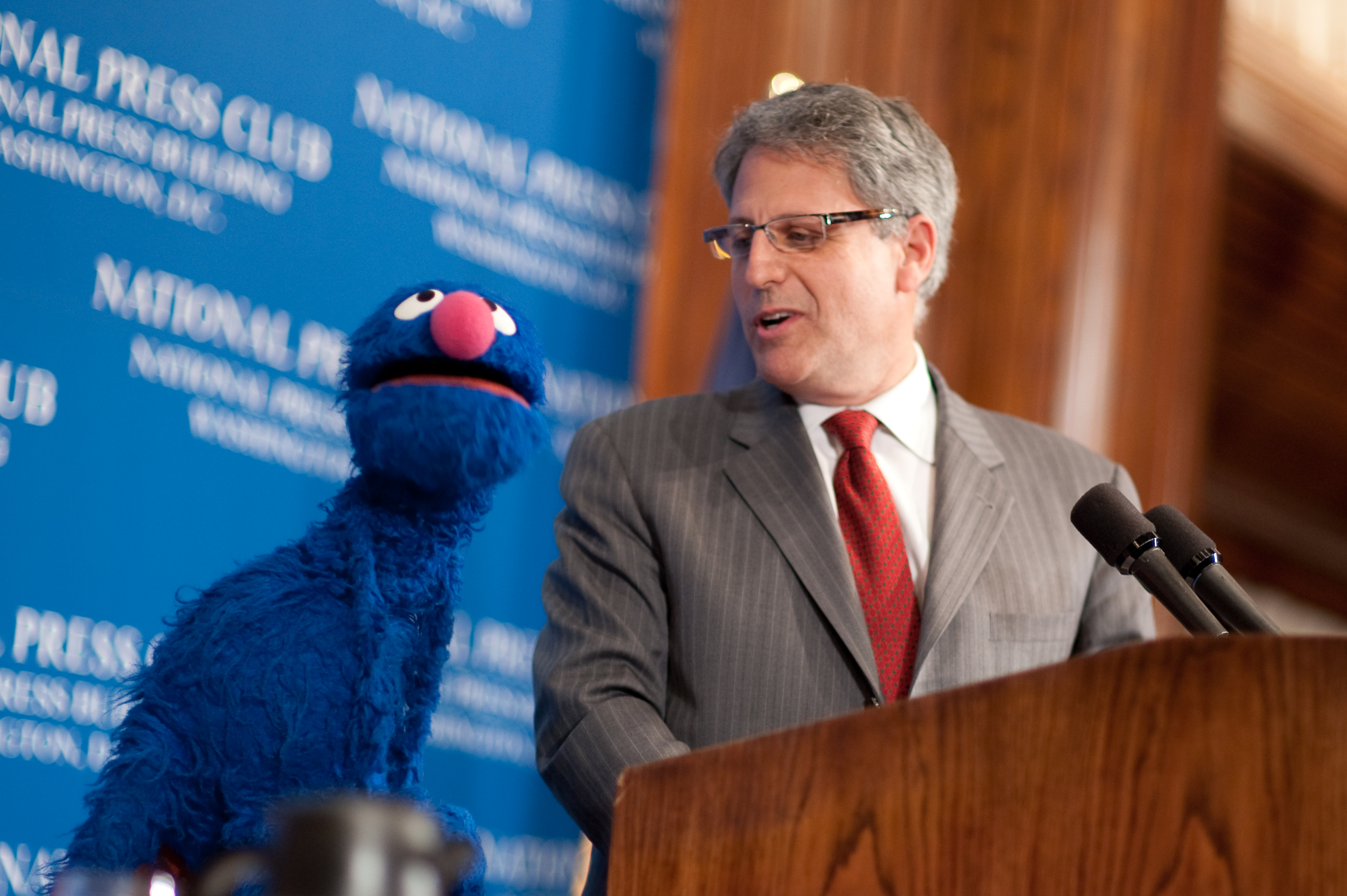
The hero portrait is a six-image Brenizer stitch… the same technique I’d use for Jennifer Beals a few years later. Six frames with the 24-70 at 38mm, stitched in post to create an equivalent field of view around 24mm but with depth of field characteristics closer to f/1.4. The warm curtains behind Grover dissolve into this creamy bokeh while his face… his fur, those googly eyes, that pink nose… stays tack sharp.
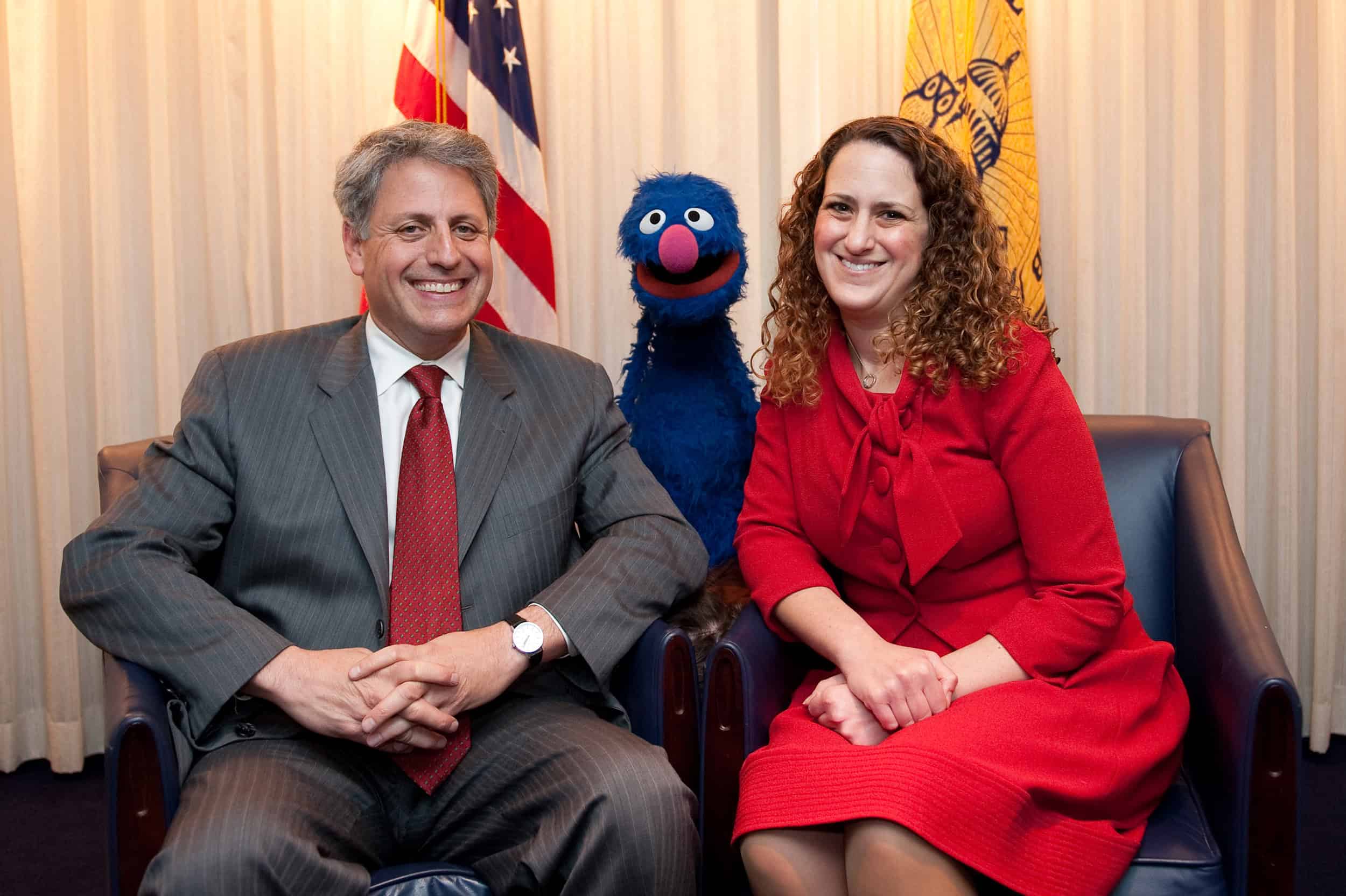
This was shot right after the Presidential book signing in the receiving line area. The typical Press Club portrait setup, except with one crucial difference: my subject needed to be seated, and there needed to be space behind the chair for someone to hide.
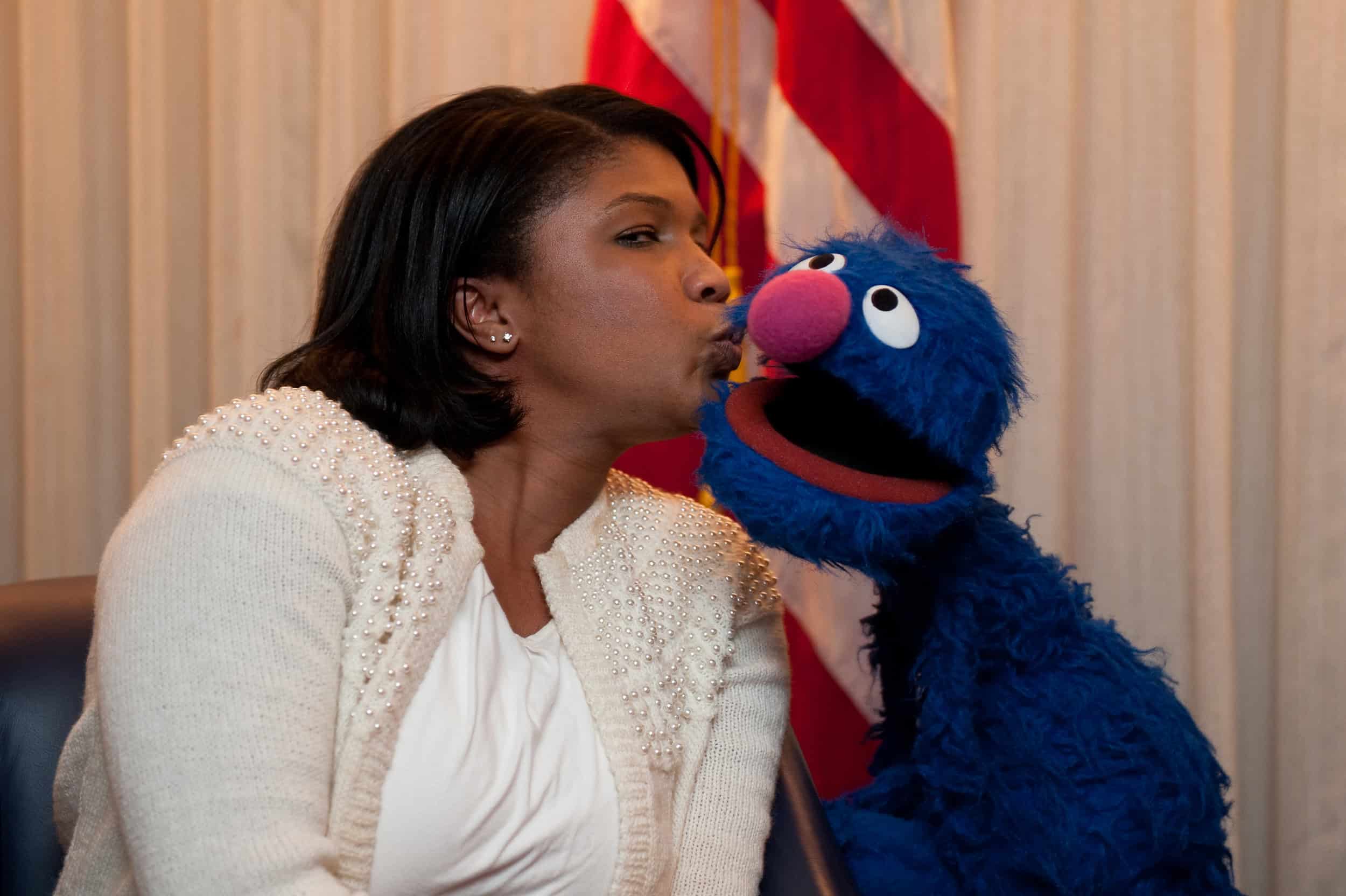
The receiving line itself was standard format… guests lined up to take photos with Grover, one after another. But everyone had to sit. The puppeteer… almost certainly Eric Jacobson, who took over the role from Frank Oz in the late 1990s… was crouched or kneeling behind the chair, completely invisible in every frame. Strategic positioning so the illusion never broke.
It worked. Looking through these photos now, Grover just is Grover. He’s not a puppet being operated by someone. He’s a character meeting people, cracking jokes, mugging for the camera. The craft of puppetry isn’t just about making the puppet move convincingly… it’s about the performer having complete spatial awareness of where they need to be so they simply don’t exist in the frame.
The Story
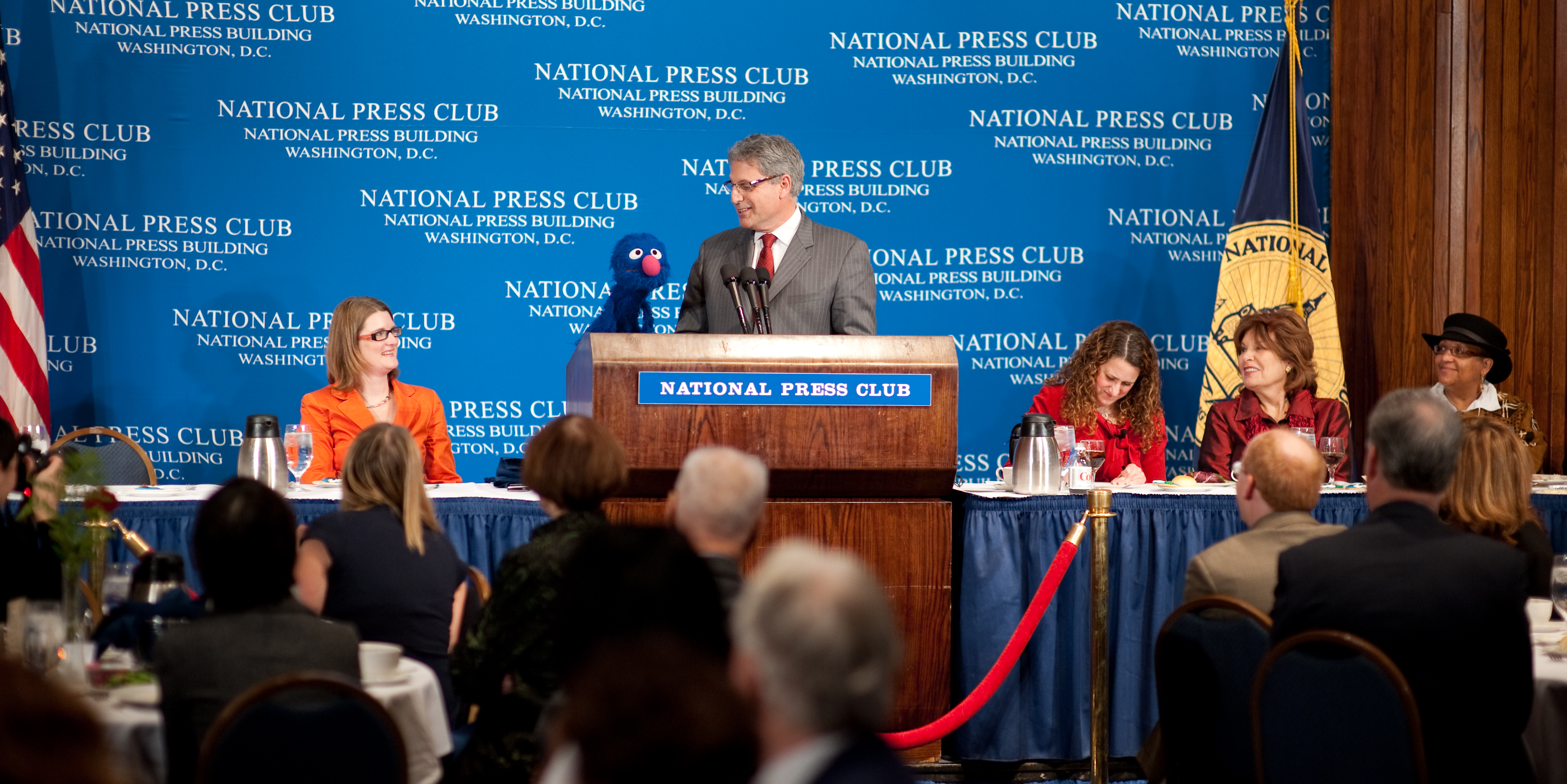
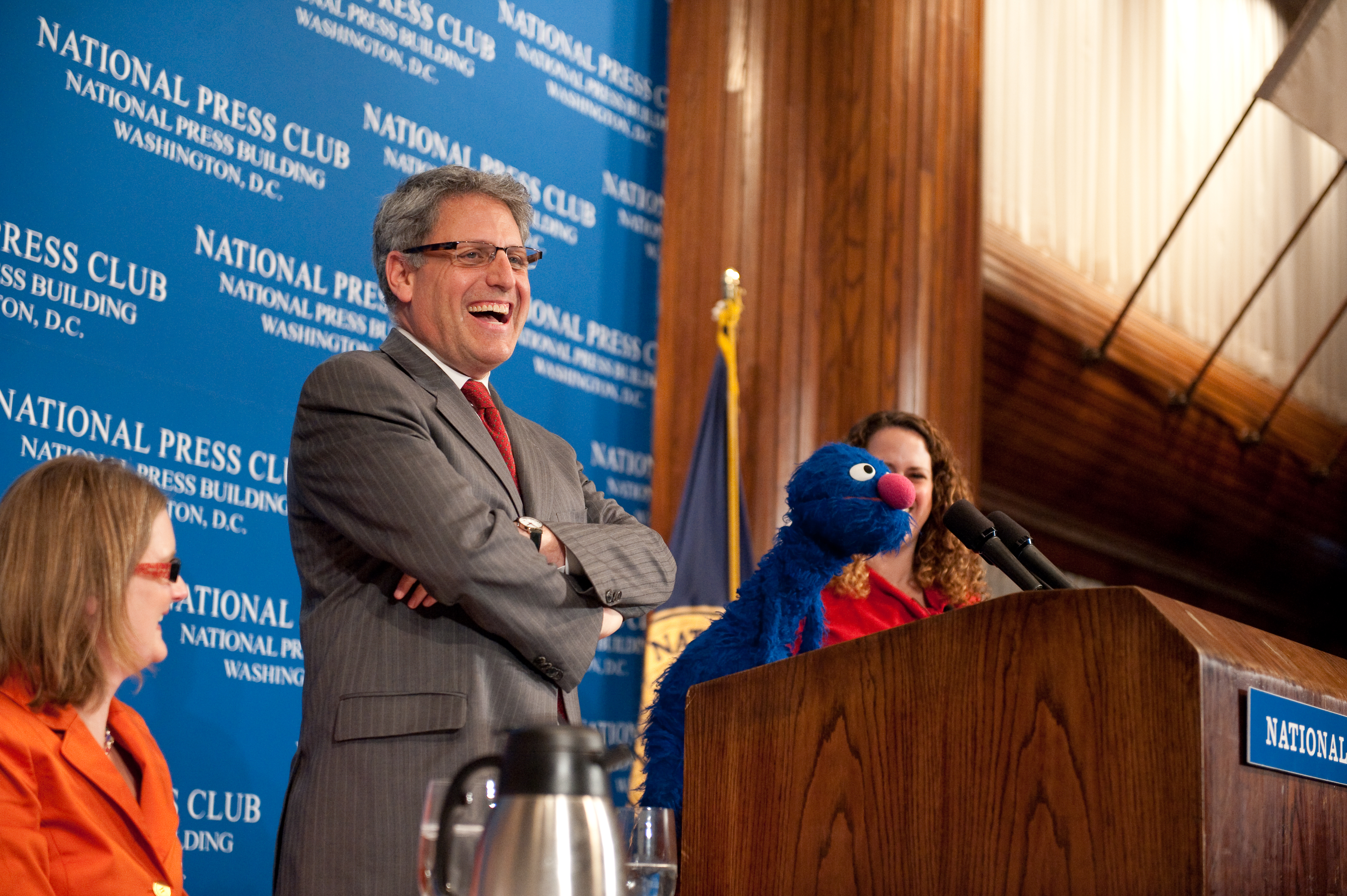
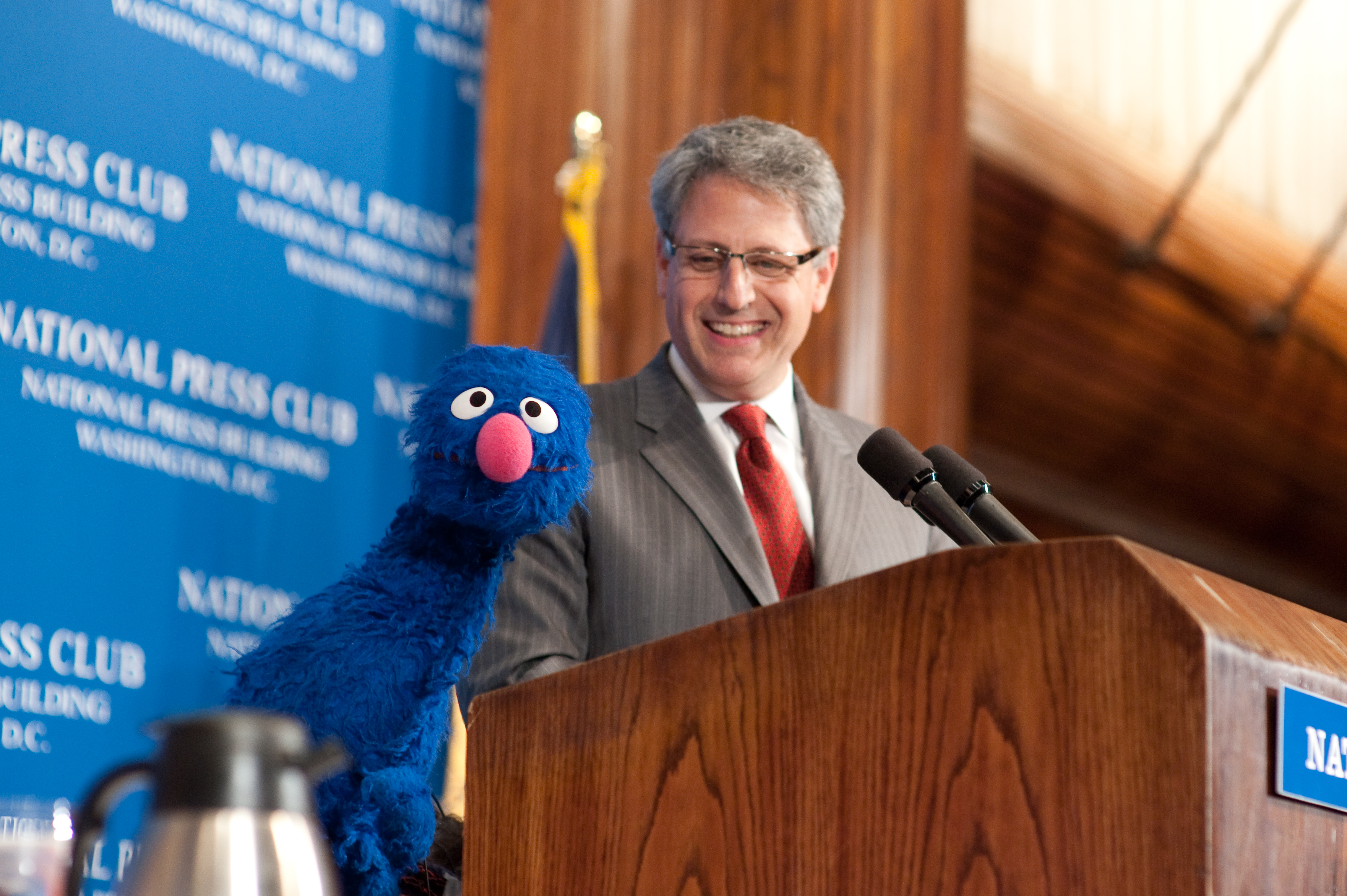
Grover came to the National Press Club as part of Sesame Street’s 40th anniversary celebration. The show had premiered on November 10, 1969, and Sesame Workshop spent 2009 marking the milestone with events across the country. This Newsmaker Luncheon featured Gary Knell, then President and CEO of Sesame Workshop, discussing the show’s legacy and future… with Grover at his side, naturally stealing focus.
The luncheon was packed. Grover addressed the audience from the podium, bantered with Knell, and generally charmed a room full of journalists who’d probably grown up watching him explain “near” and “far” or suffer through Mr. Johnson’s restaurant orders.
What I remember most is how effortlessly funny he was. Every scenario, every person in the receiving line, every moment… Grover had something to say. A quick joke, a bit of physical comedy, some perfectly timed deadpan. The puppeteer never broke character for a second, and more importantly, never broke the illusion. I don’t even remember what Eric Jacobson was like as a person because I never really interacted with him… I interacted with Grover. That’s the highest compliment you can pay a puppeteer.
The technical challenge of photographing a Muppet is fascinating. Grover exists somewhere between portrait and product photography. He has texture (that blue fur catches light beautifully), he has expression (those eyes and that mouth are surprisingly emotive), but he’s also about 18 inches tall and being operated by someone who needs to stay hidden. You’re not just composing for your subject… you’re composing to exclude the puppeteer while making a small fabric character feel like a fully present personality.
The Lesson
Sometimes the best portraits are collaborative illusions. The puppeteer’s job was to make Grover real. My job was to photograph him as though he was. Neither of us acknowledged the obvious… that there was a human crouched behind that chair, arm extended upward, voice slightly muffled. We both just committed to the bit.
That’s actually true of a lot of portrait photography. The subject presents a version of themselves. The photographer frames a version of reality. The viewer receives something that feels authentic even though everyone involved knows how constructed it is.
Also: Brenizer method works on Muppets. File that away.
The Epic Portrait Series