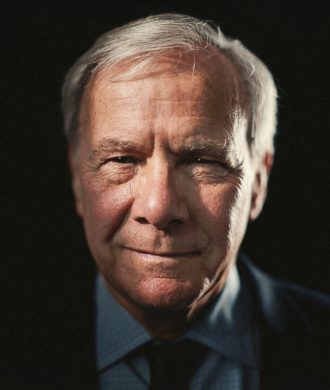

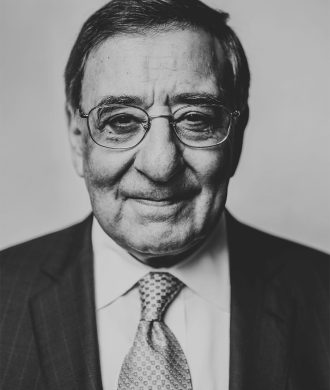
Starting as a political news and celebrity portrait photographer in DC, Sam was instantly drawn to wedding photography as a space to promote more inventive ideas. Sam’s focus is on photographic techniques that are deceptively simple but have the potential to transform difficult or uninspiring shooting environments into one-of-a-kind opportunities for every photo made.

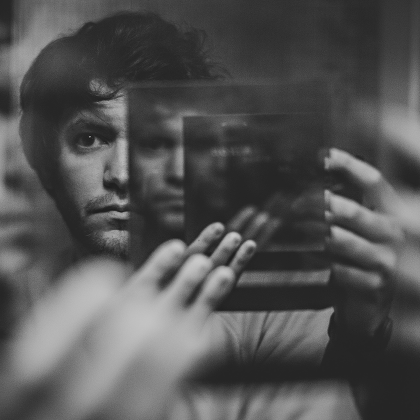
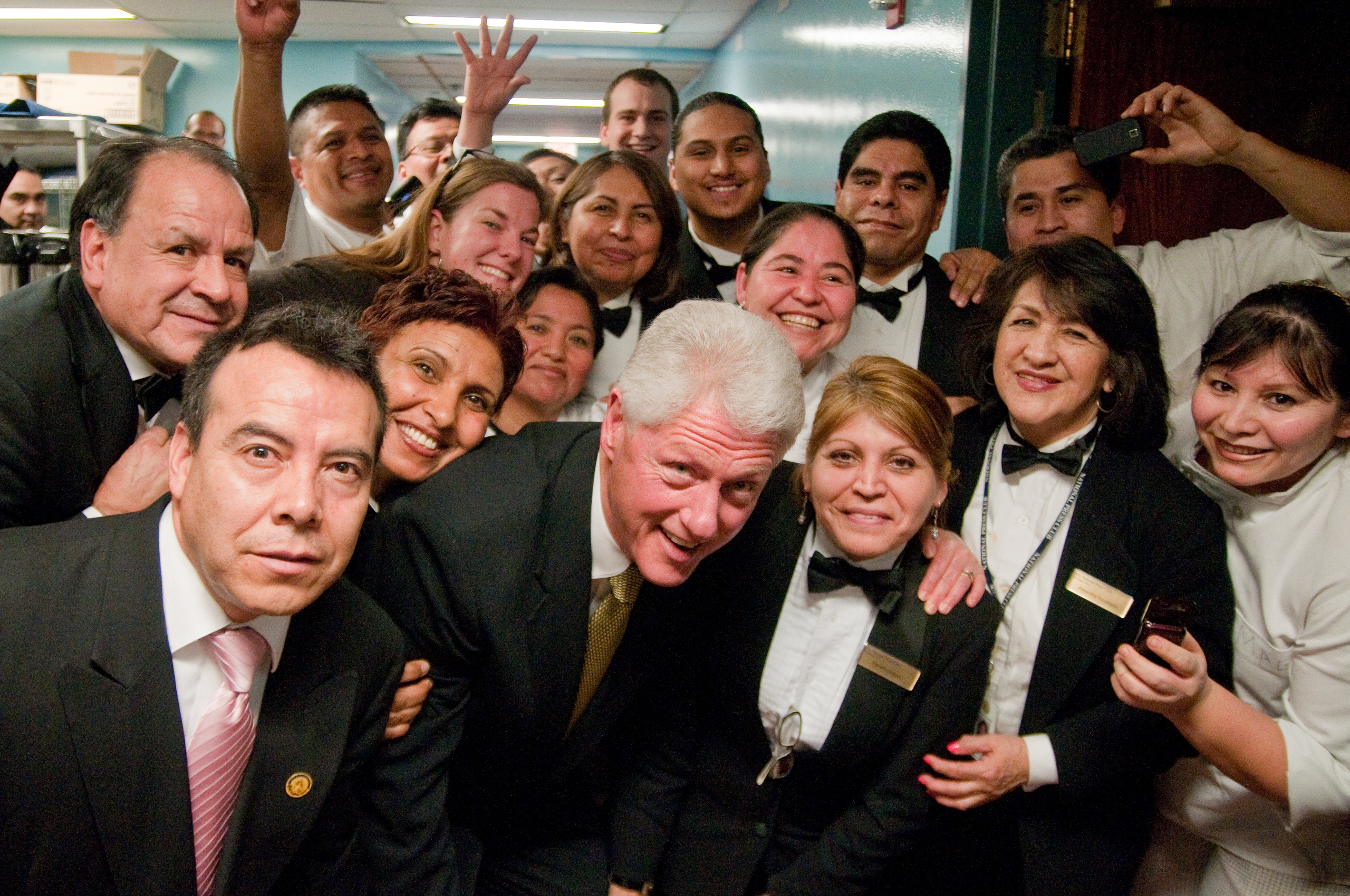
Bill Clinton – January 19, 2009 (Upscale embedded with SynthID)
The Gear
Lens: Sigma 18-50mm f/2.8 at 23mm
Camera: Nikon D300
Settings: 1/125s, f/2.8, ISO 1600
Lighting: Single off-camera flash bracketed at 45 degrees over my left shoulder for bounce flash + ambient
Technique: Prism portrait… second use of the technique, first was Bill Nye
The Goal
See if I could get away with creating a unique portrait of one of the most high-profile people on the planet… in a way they had never been photographed before.
The Vision
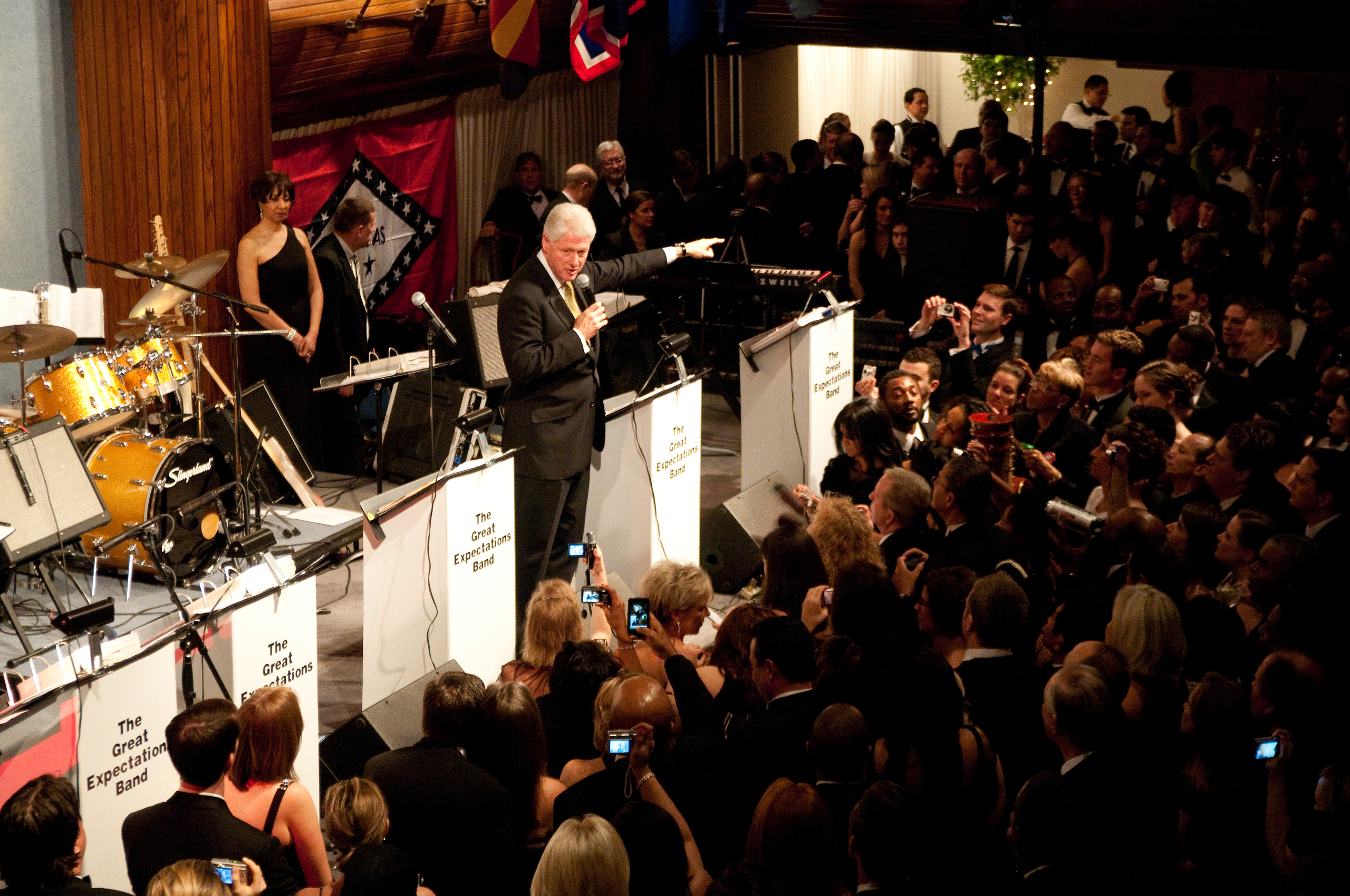
This was the day before Barack Obama’s inauguration, and Washington, D.C. was electric with events. The National Press Club was a hub for all of it. President Clinton stopped by for an event tied to an organization he had connections to from his time as Governor of Arkansas… or maybe from his school days. I don’t remember the specifics.
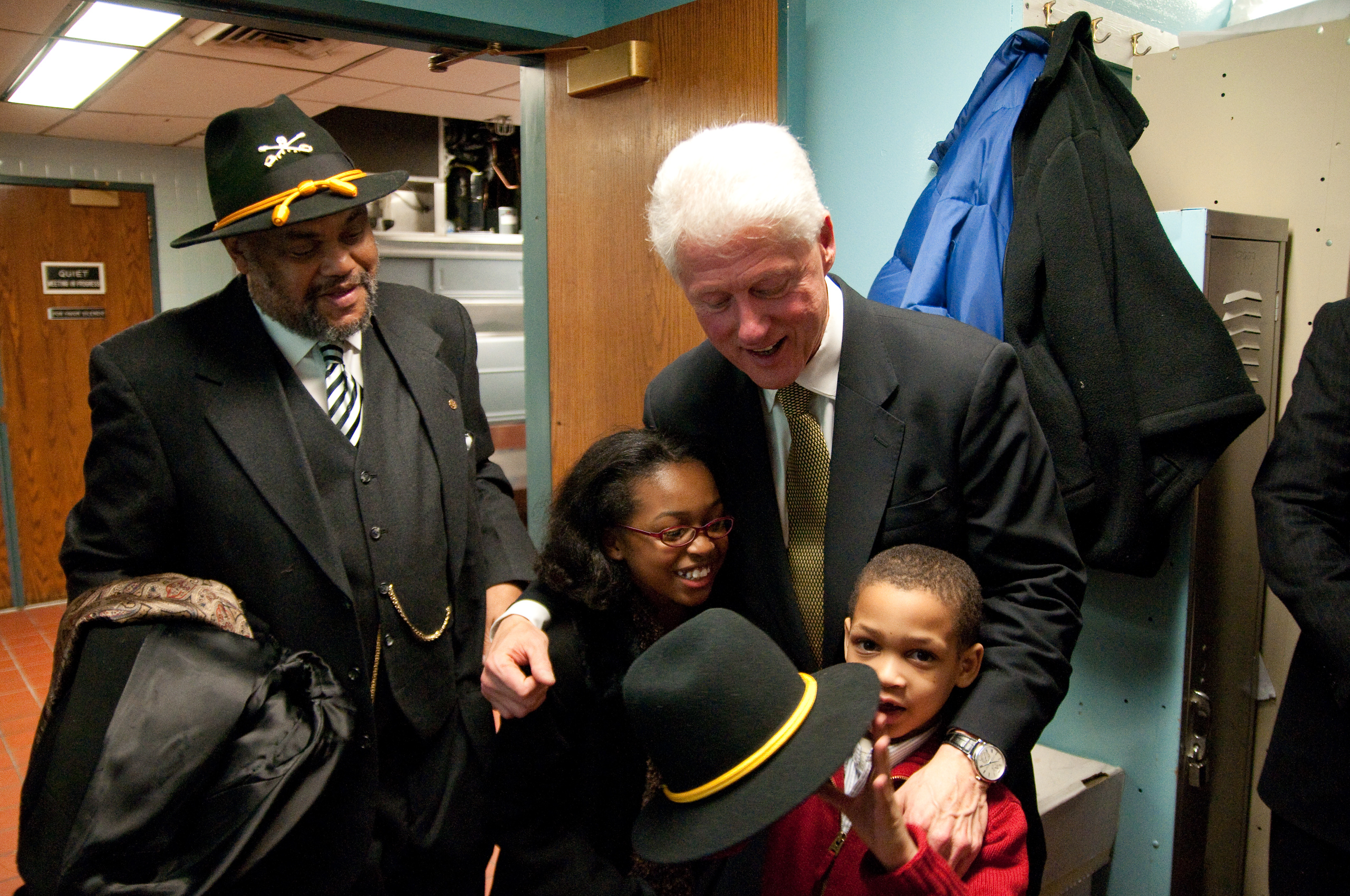
As always with high-profile guests, especially former presidents with Secret Service protection, they take them through the back innards of the facility… kitchen areas, cargo elevators, staff hallways. The rough parts that guests never see.
The Story
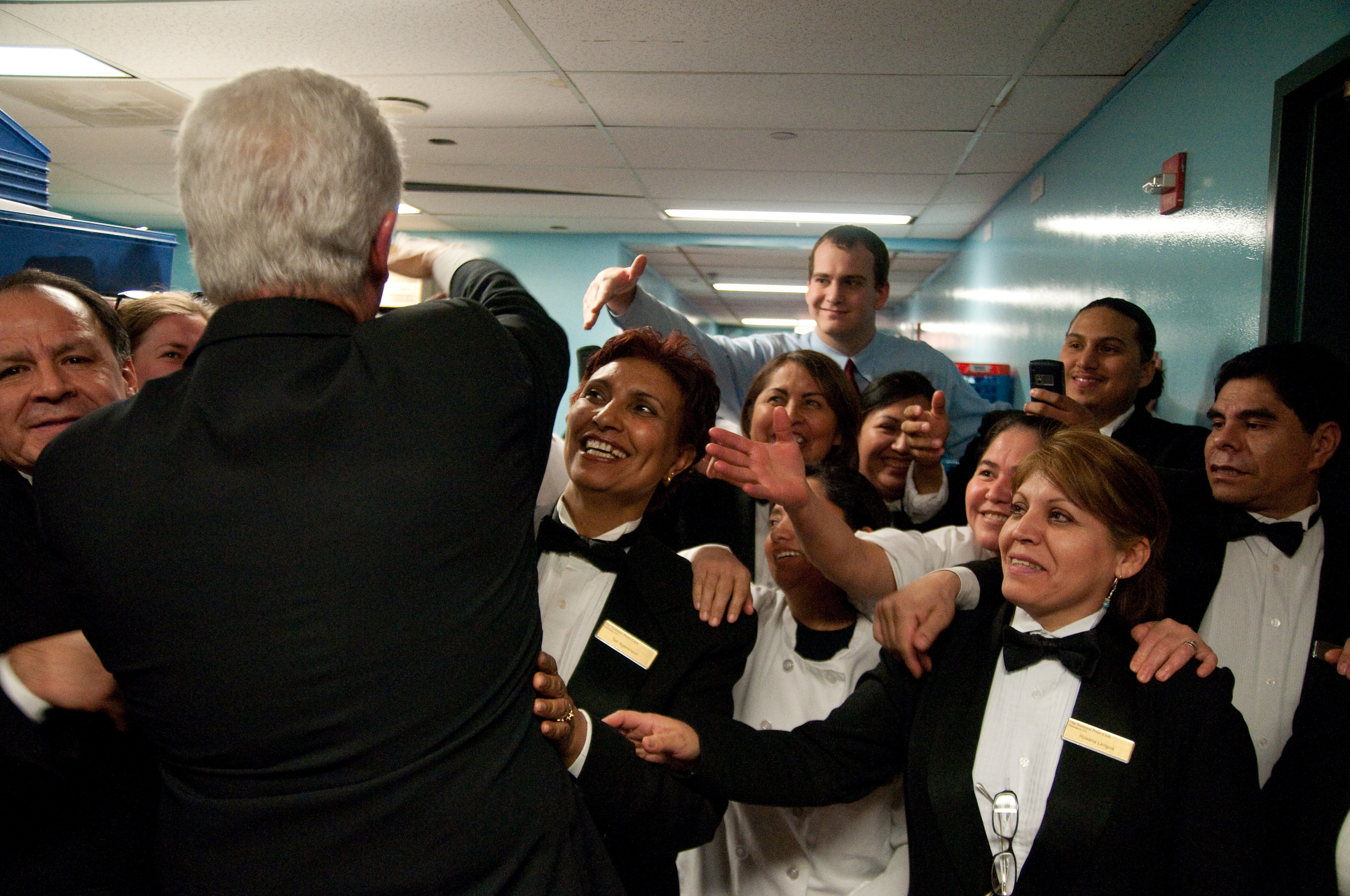
You can see in the behind-the-scenes shots that Clinton was genuinely engaging with the kitchen staff… shaking hands, posing for photos, being present with them. At one point, I made the mistake of tapping him on the shoulder to get him to turn around for a quick group photo with the staff. The Secret Service did not appreciate that. I got smacked away pretty quickly with a firm “Do not touch the president!”
Thankfully, Clinton just brushed it off like it didn’t even happen, turned around, and took the photo with the staff anyway. Classic.
After that, as he started walking down the hall, the manager of the Press Club asked for a quick photo with him. We did that, and then I immediately grabbed my opportunity. I had a flash bracketed off to my left, angled at 45 degrees over my shoulder for a bounce flash effect… which is why the shadow falloff in the portrait is soft rather than harsh. I held a prismin front of my lens and fired.
By this point in my career, I was learning mostly by observation. I’d seen other photographers using Gary Fong diffuserswith giant rigs and bracketed flashes off to the side. I immediately realized that setup was way too bulky for my comfort level… and it actually created a quality of light I didn’t like. So I started turning my flash to bounce over my shoulder at 45 degrees instead of using a giant modifier. It was a lighter, more nimble experience, and it produced softer, more natural-looking light. This approach became a core part of my wedding photography work and is something I still use to this day.
This was only my second time using the prism technique… the first was Bill Nye months earlier. I wanted to see if I could pull it off with someone at this level. You don’t get much more high-profile than a president. And though he wasn’t the sitting president at that moment, I wanted to see if I could create something they’d never seen before.
The Lesson
Two things. First: don’t touch the president. The Secret Service will let you know. Second: the constraints of working with extremely high-profile subjects… tight windows, security, unpredictable access… force you to be ready with something fast and distinctive. The prism was perfect for that. One quick frame, completely unique, no elaborate setup required. That’s the kind of technique that works when you have seconds, not minutes. It also confirmed something I was starting to believe: the weirder the approach, the more likely you are to make something nobody else has.
Worth noting: the Alien Skin Exposure editing style I was developing continued here, but I was probably a little overzealous with the warmth on this one. The mix of my bounce flash with the harsh fluorescent ambient light in that hallway caused the colors to shift in an overly warm direction. I used Exposure to desaturate things… it’s still warm, but I think it kind of works. The software has a unique way of dealing with reds, oranges, and yellows in skin tones that helped pull it back from being completely unusable.
The Epic Portrait Series