
Starting as a political news and celebrity portrait photographer in DC, Sam was instantly drawn to wedding photography as a space to promote more inventive ideas. Sam’s focus is on photographic techniques that are deceptively simple but have the potential to transform difficult or uninspiring shooting environments into one-of-a-kind opportunities for every photo made.

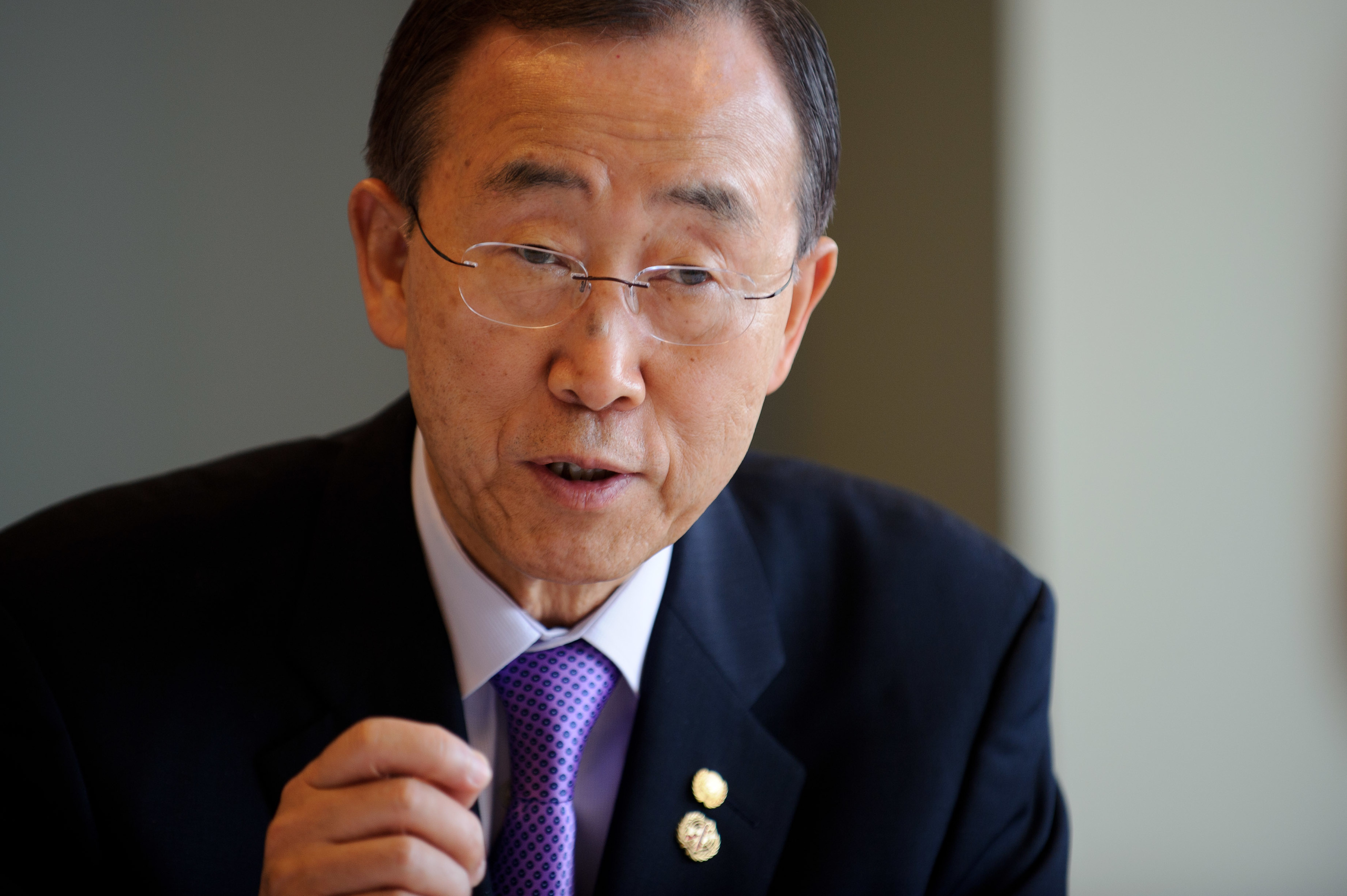
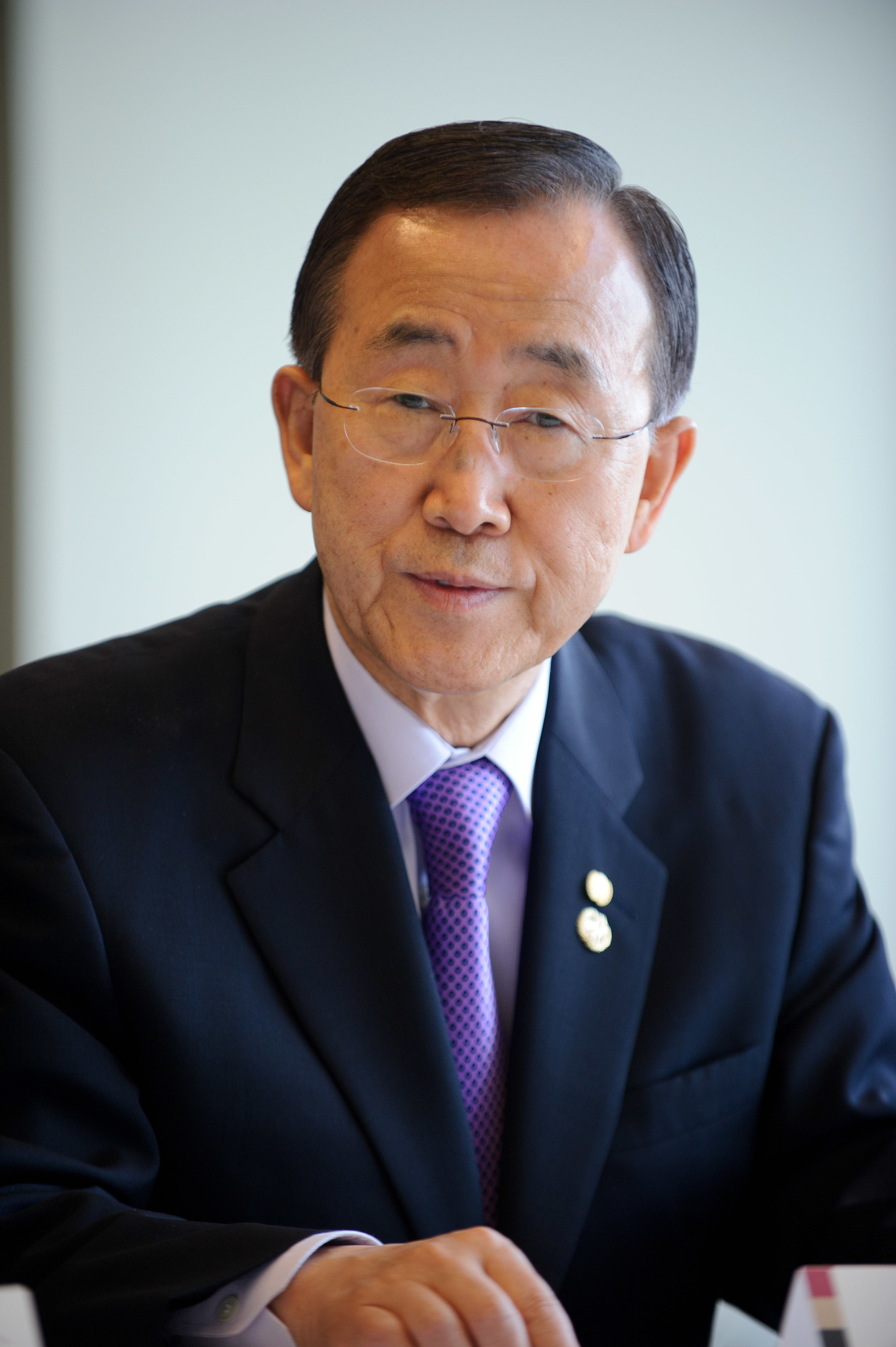
Ban Ki-moon – June 2010 (Upscale embedded with SynthID)
The Gear
Lens: Nikon 70-200mm f/2.8 at approximately 135mm
Camera: Nikon D3S
Settings: 1/125, f/2.8, ISO 400 (estimated)
Lighting: Off-camera Nikon Speedlight, direct front light
Editing: Alien Skin Exposure with Kodak Portra film border, tone curve adjustments and desaturation
The Goal
Capture a quick portrait of the UN Secretary-General while correcting for the lighting mistake I’d made moments earlier with Melinda Gates.
The Vision
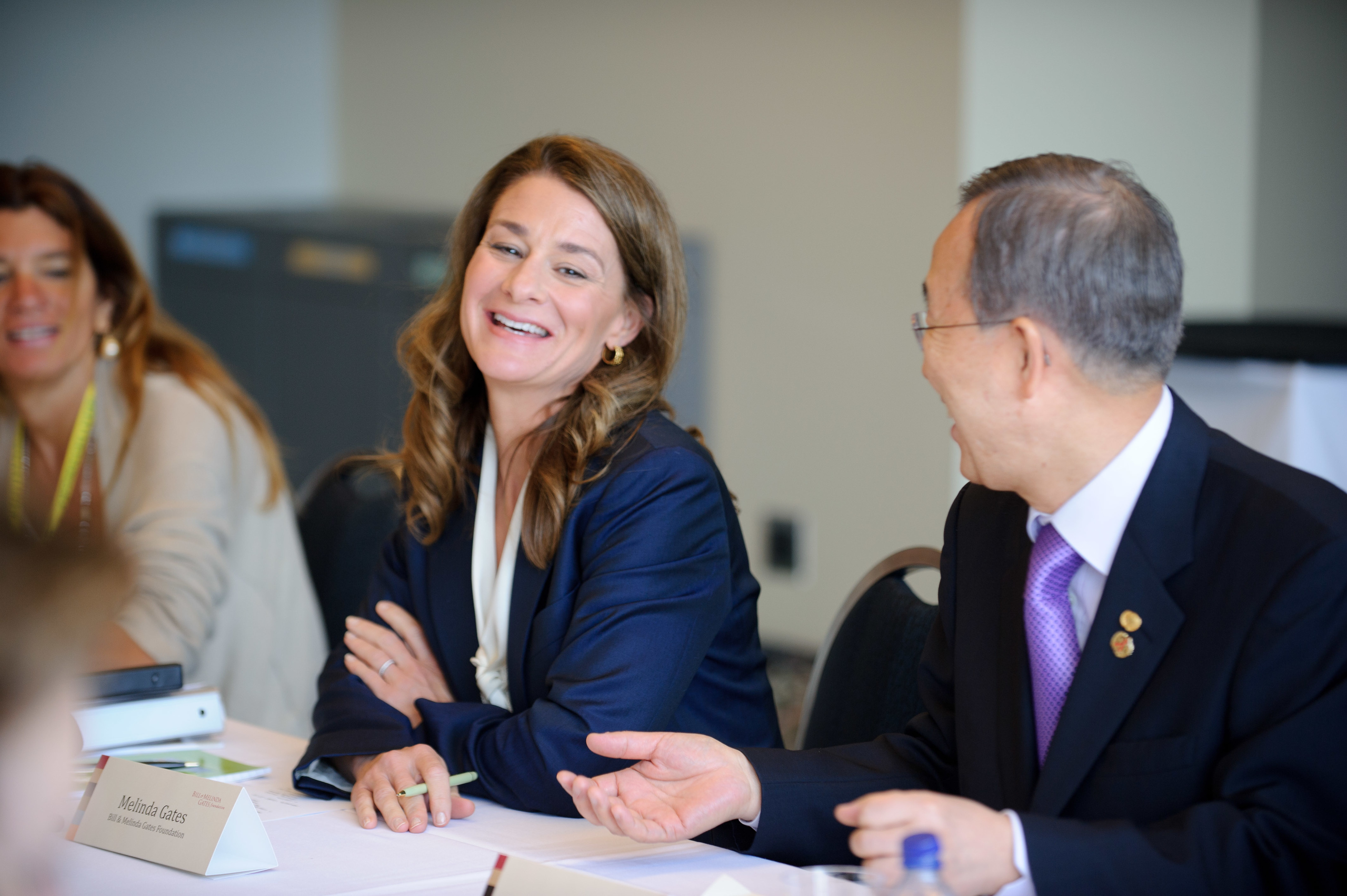
This portrait was a direct response to realizing I’d underlit the right side of Melinda Gates’ face in her portrait (included below for comparison). I overcompensated. Instead of mixing flash with window ambient as fill, I went for more directional front light to make sure his face was evenly covered. The result? Overexposed. Too much fill. I had to work the tone curve in post and pull back the saturation to get things to look acceptable.
He was seated for this portrait, pressed against a wall in a crowded conference room. You can see his shadow cast behind him… his head, his glasses, that distinctive silhouette. But my favorite element is actually the accidental shadow on the far left of the frame. I think someone stepped into the light path at the moment I fired. It’s the kind of happy accident that gives a portrait some life, some sense of the chaos happening around us.
The Kodak Portra film border and heavy grain from Alien Skin Exposure helped unify the look and mask some of the overexposure. A product of its time that I’m keeping as-is.
The Story
Ban Ki-moon was the eighth Secretary-General of the United Nations, serving from 2007 to 2016. At the Women Deliver 2010 conference in Washington DC, he was launching his Joint Action Plan for maternal and child health… a detailed framework to help countries work together toward the UN’s Millennium Development Goals 4 and 5, which aimed to reduce child and maternal mortality by 2015.
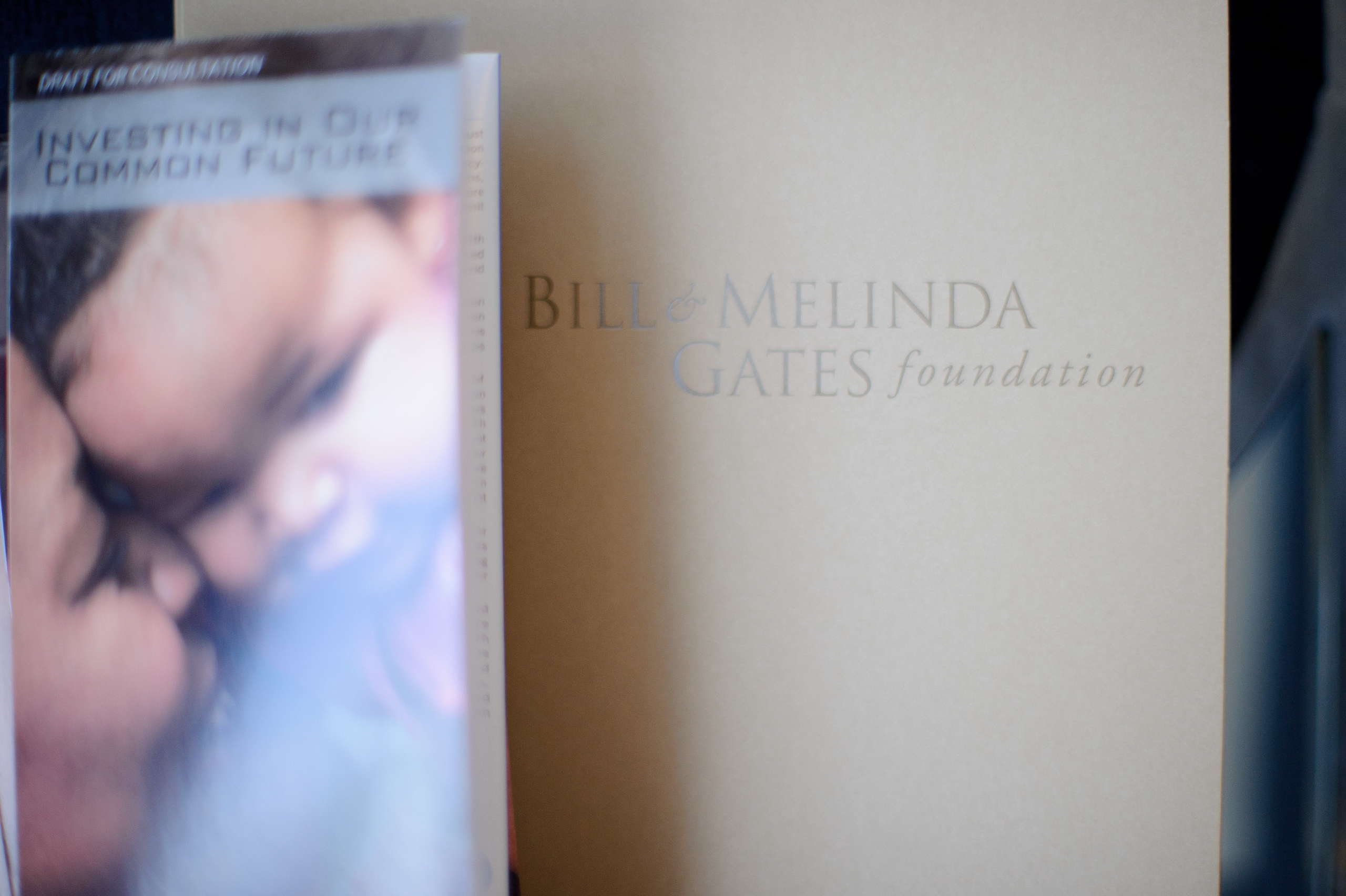
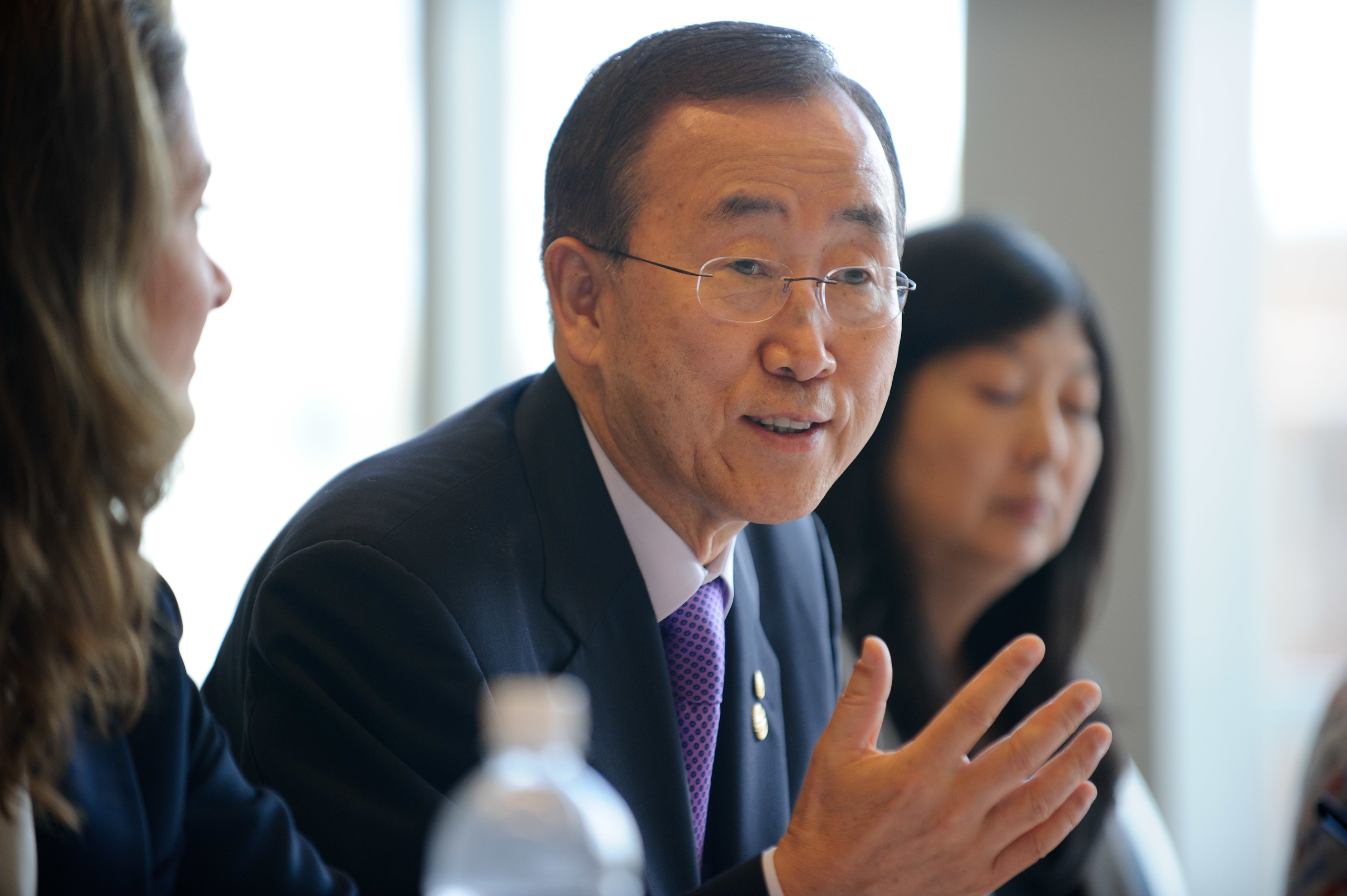
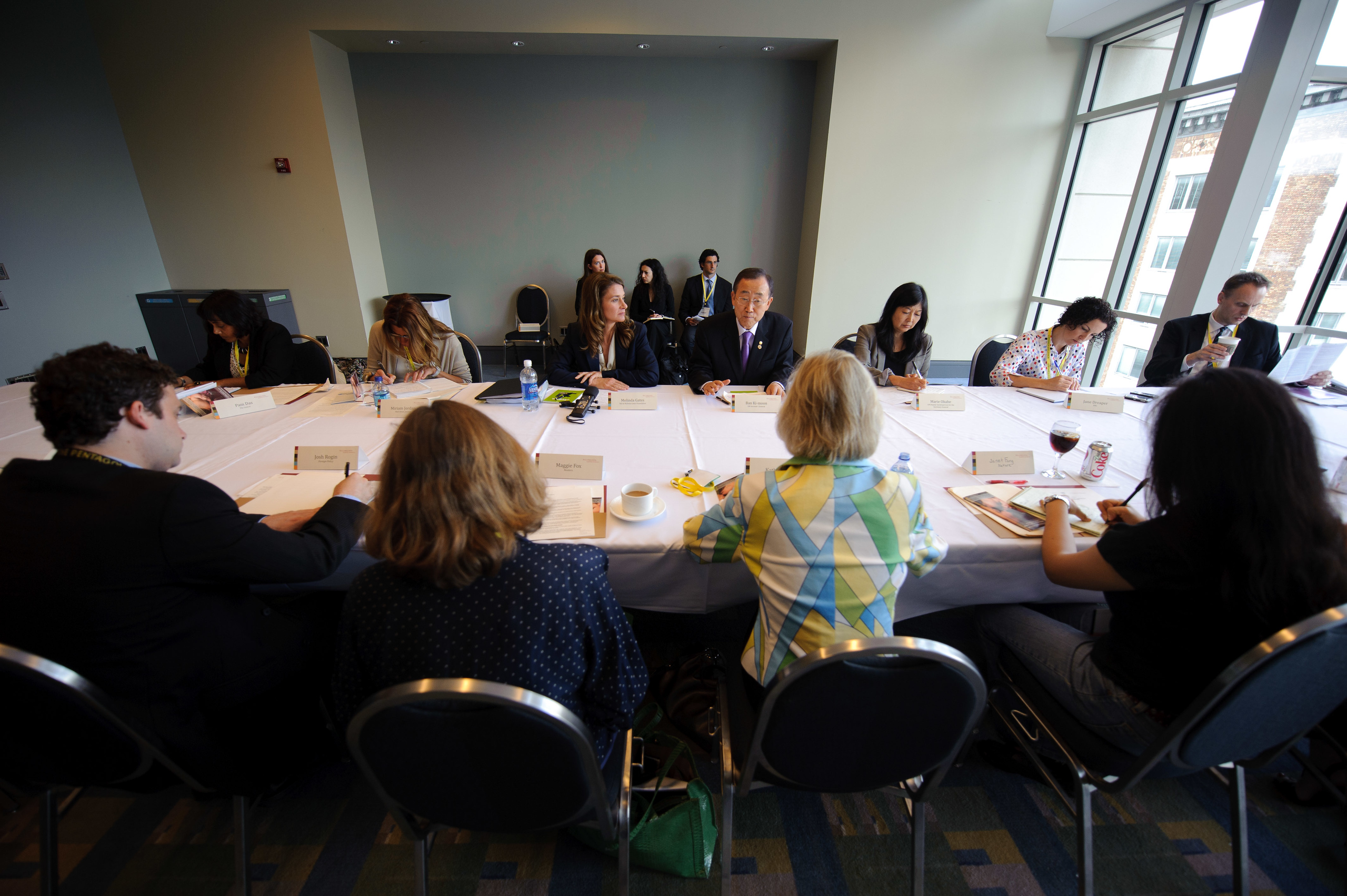
I was there working directly for Women Deliver as their photographer… a connection I’d initially made through my work at the National Press Club. This was a partnership event with the Bill & Melinda Gates Foundation, and you can see in some of these photos Ban Ki-moon seated next to Melinda Gates at the roundtable discussion. The room was full of delegates from around the world… health ministers, NGO leaders, policy experts. The stakes were real. They were discussing how to coordinate billions of dollars in aid to save mothers and children in developing countries.
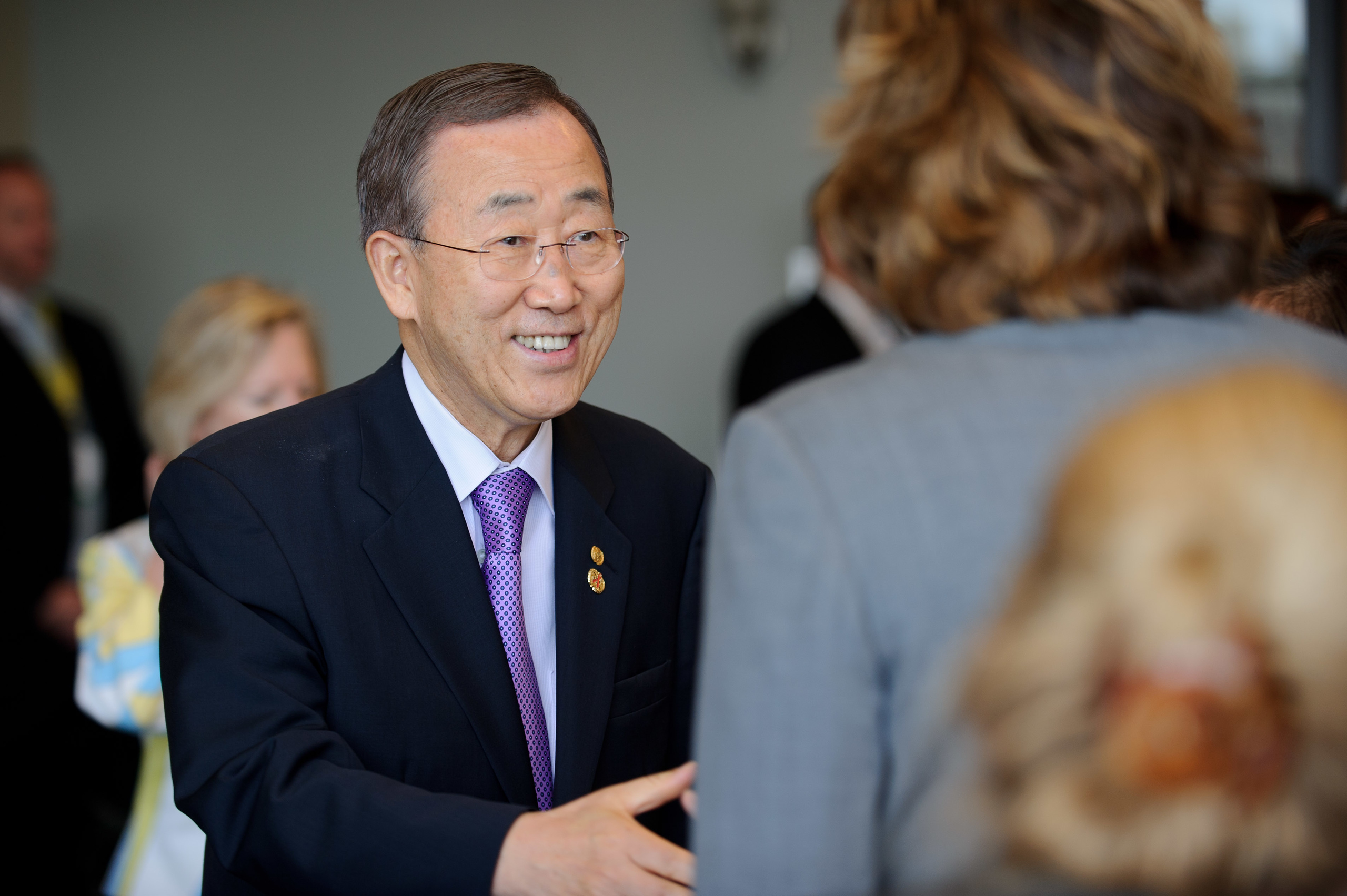
I don’t remember speaking with him beyond the brief moment of the portrait. Like Melinda Gates, he was direct, focused, and there with a very clear “get shit done” mindset. These weren’t people interested in small talk… they were there to work. But in that brief interaction he was gracious and professional.
The intimate roundtable setting was a stark contrast to the massive plenary sessions happening downstairs with 3,000 attendees. Up here it was maybe a dozen people around a table, working through the details of global health policy. Not a lot of room to maneuver as a photographer, and not a lot of time for portraits. This was very much a grab-it-and-go situation.
The Lesson
When you notice a technical mistake, resist the urge to swing to the opposite extreme. I went from slightly underlit to obviously overlit in the span of two portraits. A small adjustment would have served me better than overcorrecting.
Also: embrace the chaos. That accidental shadow from someone walking through the frame? It’s more interesting than a clean background would have been. Sometimes the imperfections are what make a portrait feel alive.
The Epic Portrait Series