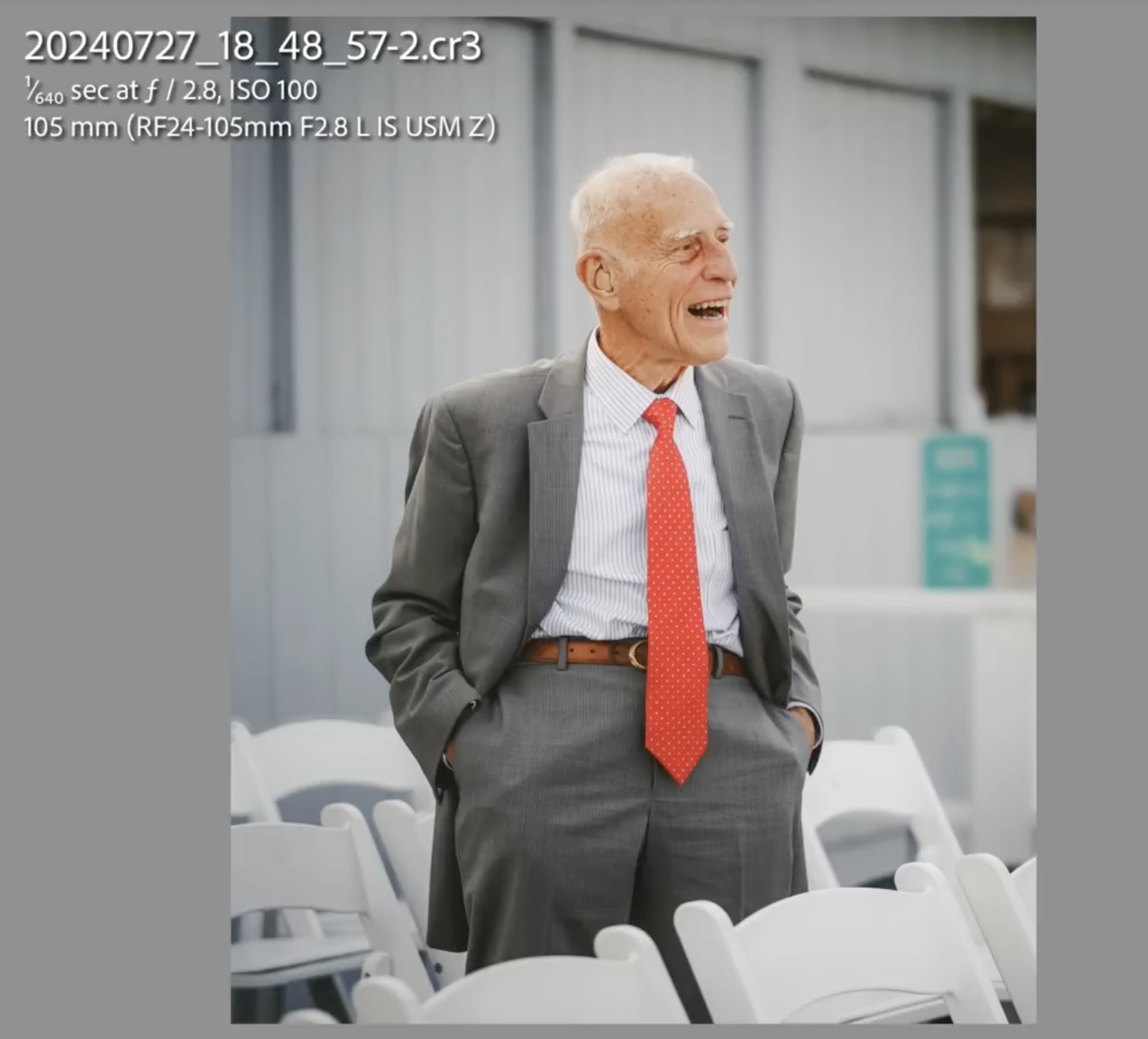
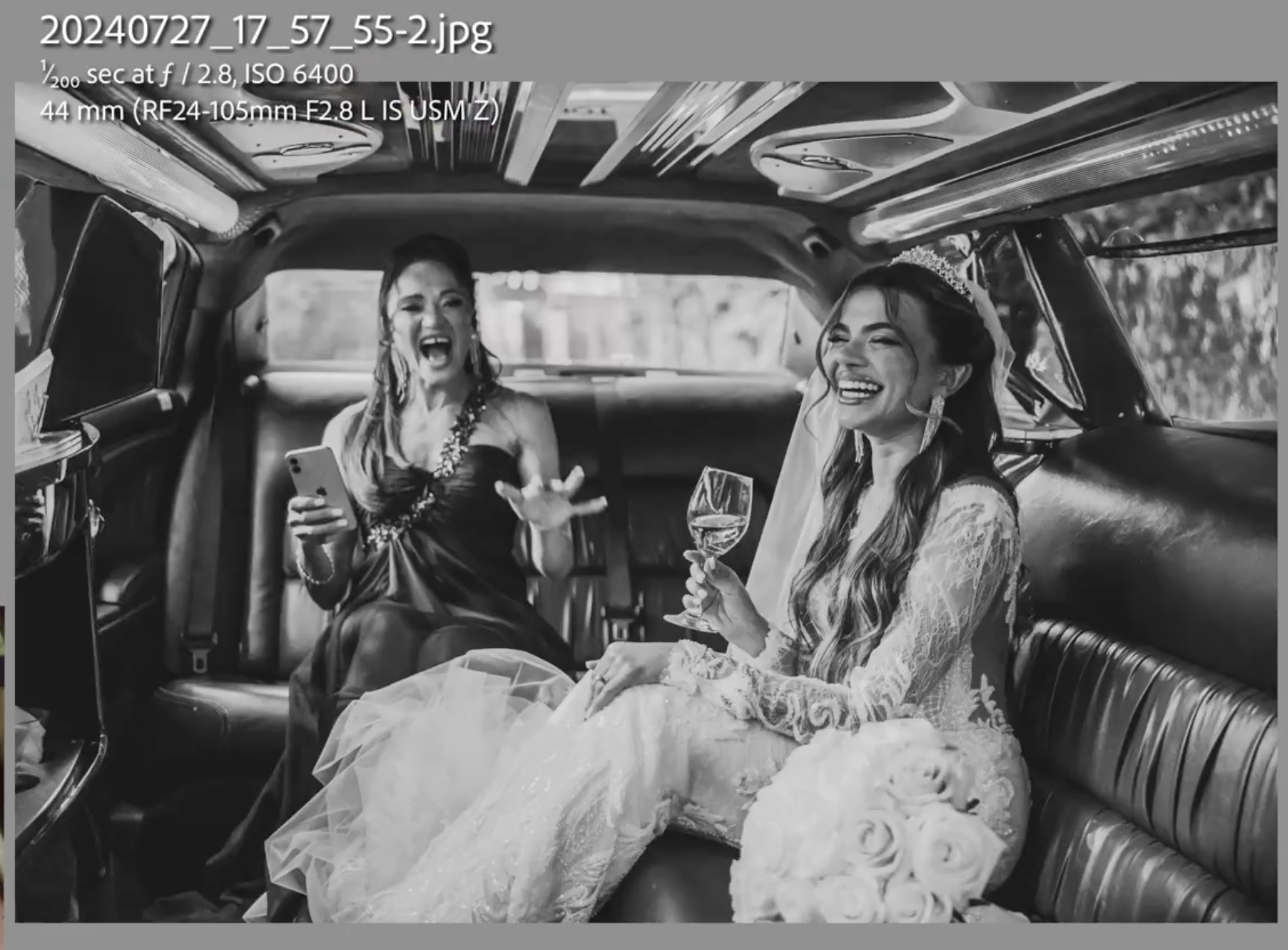
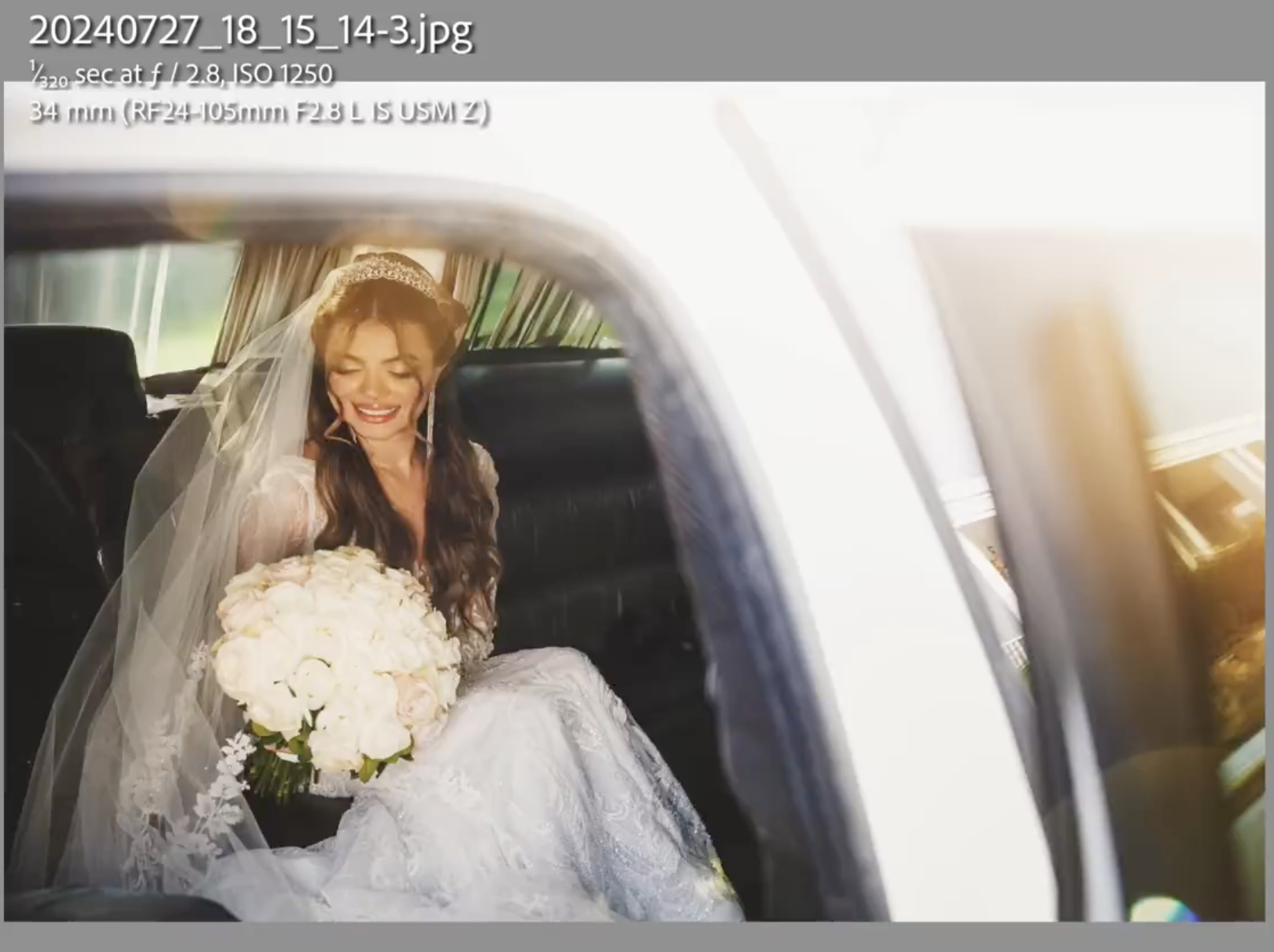
Starting as a political news and celebrity portrait photographer in DC, Sam was instantly drawn to wedding photography as a space to promote more inventive ideas. Sam’s focus is on photographic techniques that are deceptively simple but have the potential to transform difficult or uninspiring shooting environments into one-of-a-kind opportunities for every photo made.
I really wanted to love this lens.
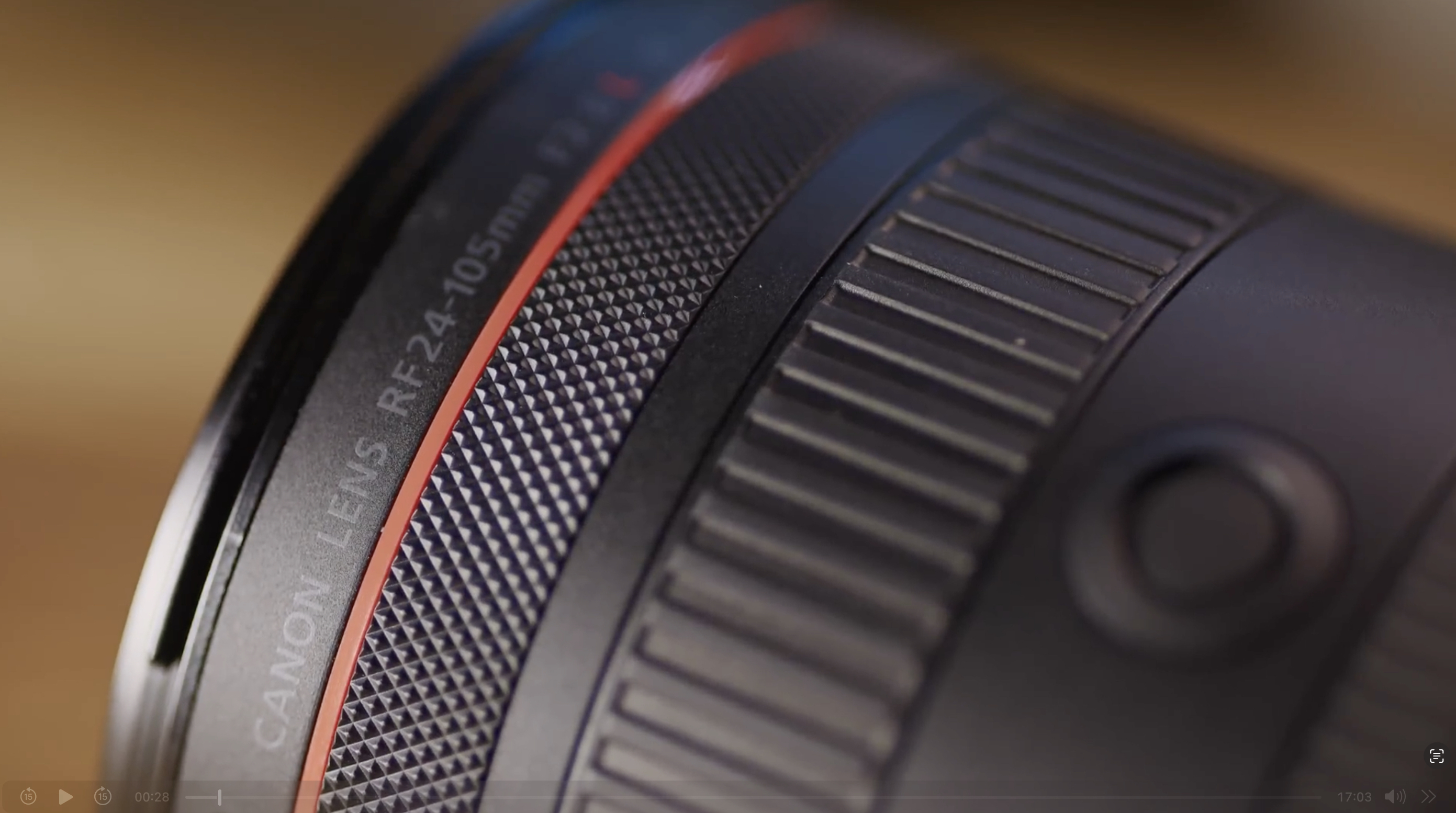
On paper, the Canon RF 24-105mm f/2.8 L IS USM Z is a unicorn. It covers that perfect mid-range zoom capability while maintaining a constant f/2.8 aperture. It’s a $3,000 piece of “Red Ring” glass that seemingly replaces the need for a bag full of primes or the constant swapping between a 24-70 and a 70-200.

I previously reviewed the Canon 35mm f/1.4 VCM and noticed a worrying trend: Canon leaning heavily into digital distortion correction to save on weight and size. After testing the 24-105mm, it’s obvious this wasn’t a one-off. This is a design philosophy.
And while the lens is innovative, I can’t shake the feeling that it was designed for videographers first, with photographers added as an afterthought.
Canon 24-105 RF
- Value - 5.9/105.9/10
- Build - 8/108/10
- Optical Integrity - 2/102/10
- Hybrid/Video Utility - 8/108/10
- Autofocus - 10/1010/10
- Size & Weight - 3/103/10
- Bokeh - 7/107/10
6.3/10
Quick Summary
After shooting 10,000+ images, I can’t recommend this lens for pure photographers. While the specs are a dream, the reality feels like walking through a doorway holding a ladder. It is a video-first tool masquerading as a stills lens.
Most wedding photographers are better off with the RF 24-70mm f/2.8 or RF 28-70mm f/2 for better agility and optical purity. If you shoot video or live on a tripod, it’s a marvel—but for handheld work, the massive digital distortion corrections and awkward ergonomics make it a hard pass at $3,000.
Pros
Clinical Sharpness: Insanely sharp at f/2.8 with stellar close-focusing capabilities for detail shots.
Internal Zoom: The barrel length remains constant, making it robust and easy to bal[1][2]ance for video work.
Focus Breathing Control: Electronically parfocal design that keeps focus locked while zooming, essential for video.
Effective Stabilization: up to 8 stops of IS, though less relevant for shooting moving subjects.
Build Quality: Classic Canon L-series construction that feels premium and durable.
Cons
The “Ladder” Factor: The lens is comically long for a 24mm focal length, making it awkward to handle in tight spaces.
Optical Integrity: Relies heavily on digital profiles to correct massive vignetting and black corners at the wide end.
Non-Removable Collar: The tripod foot is permanently fixed, uncomfortable to hold, and snags when pulling from a bag.
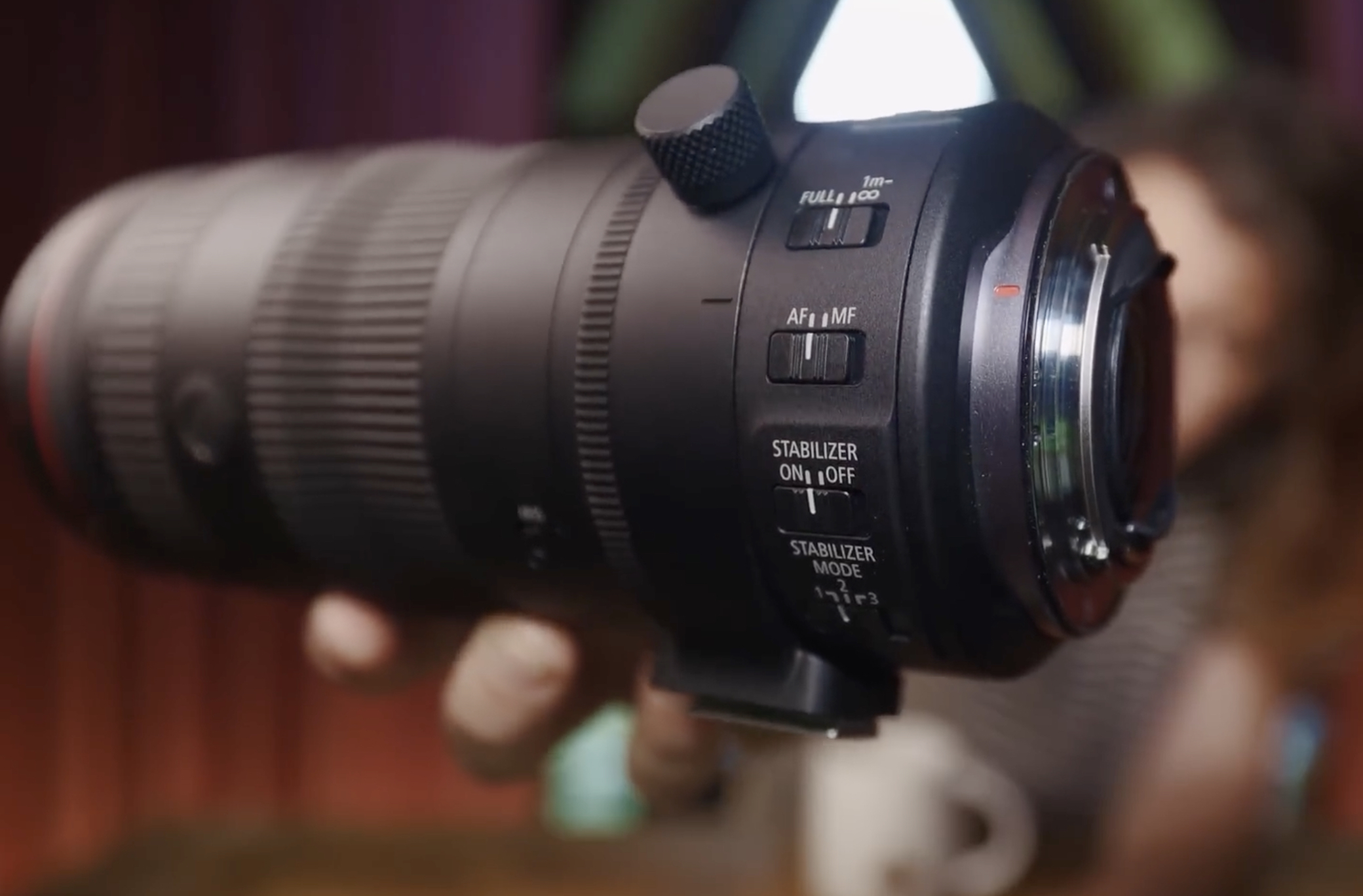
Video-Centric Controls: The manual aperture ring is locked out for stills modes, rendering it useless for photographers.
Price to Value: At $3,000, the reliance on software correction makes the cost hard to justify for stills.
The Handling: The Ladder Theory
The build quality is fantastic… it’s Canon L-series, after all. But the physical experience of using it is jarring.
Shooting with this lens at 24mm is a bizarre sensory experience. You are framing a wide angle of view, but the physical barrel of the lens is about the size of a 70-200mm telephoto. Because this lens utilizes an internal zoom mechanism, the barrel doesn’t extend or retract… it stays massive 100% of the time.
Some photographers love internal zooms for durability, but I actually prefer the external zoom design of the modern RF 70-200mm. That lens packs down small into a sling or travel bag. The 24-105mm f/2.8 does not. It demands a massive amount of vertical space in your bag, and because I don’t use a gimbal or tripod often, the balance benefits of an internal zoom are lost on me.
A friend of mine shot with it during a cocktail hour and described it perfectly: It’s like trying to walk through a doorway holding a ladder.

When you shoot with a standard 24-70mm, the physical length matches the focal length. You feel agile. With the 24-105mm, you are swinging a massive tube around crowded dance floors and cramped getting-ready rooms. I found myself constantly worried I was going to clock a guest in the head while panning left to right.
Join+
This post was originally published on my patreon feed, and over there it includes extras like sample raw files. My patreon has exclusive and in-depth image deconstructions, what’s in my bag details, live streams, and many other photographers that participate in discussions from all over the world – all without ads.
mentorships, reviews, deconstructions
Video First, Photo Second (Canon Needs a New Label)
There are a few “dead giveaways” that this lens prioritizes video workflows to the detriment of stills shooters. In fact, I think Canon needs a new label across their product line to denote these “Hybrid” lenses, because calling this a standard Red Ring stills lens feels misleading.
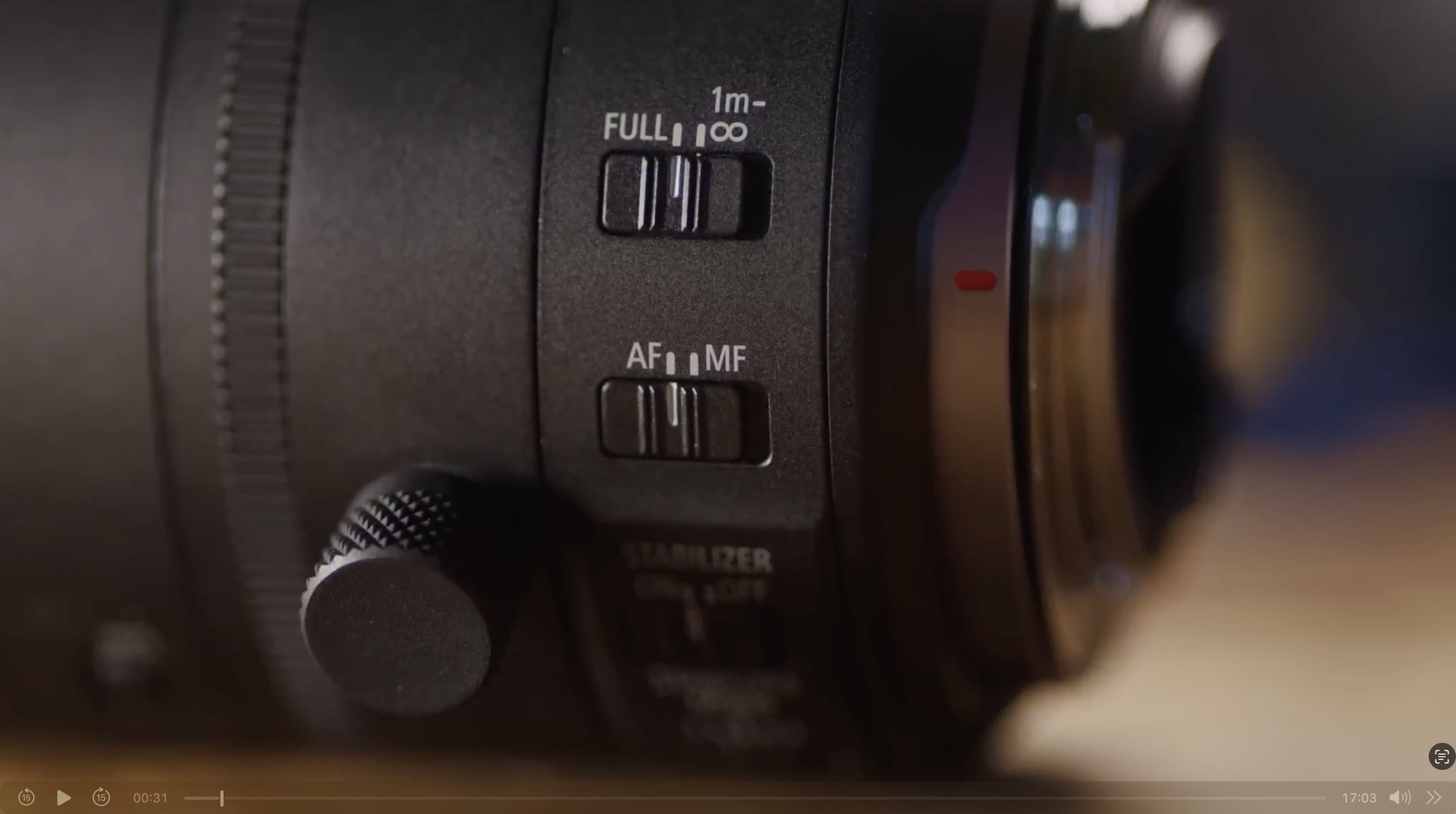
The Aperture Ring: It has a manual aperture ring (great!), but you have to unlock it with a switch, and it barely interacts with stills mode. It’s smooth and silent—perfect for pulling iris during a scene, largely useless for a wedding photographer changing settings on the fly.
Parfocal & Breathing: The lens boasts minimal focus breathing and electronic parfocal behavior (holding focus while zooming). These are critical for video, but irrelevant for my style of photography. I’m paying for tech I don’t need.

The Permanent Collar: The lens has a tripod collar with a foot that is permanently affixed. You cannot remove it. It has a protruding knob that just sits there, digging into your hand.
The Snag: Because of that non-removable foot, pulling this lens out of a camera bag is a friction-heavy experience. It snags. It catches. It’s annoying.

The Optical Compromise: The "Software Lens"
This is the dealbreaker.

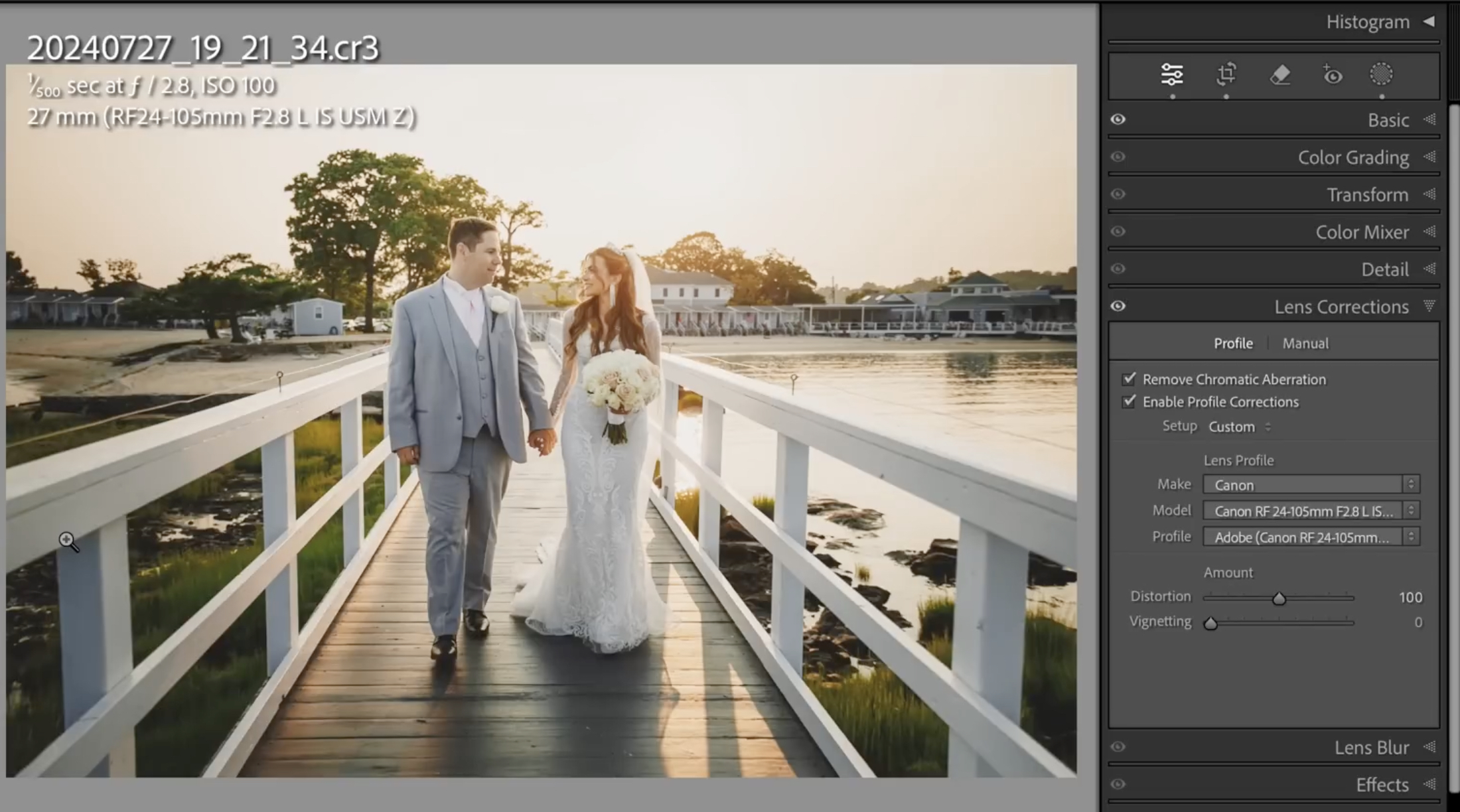
Profile Correction On
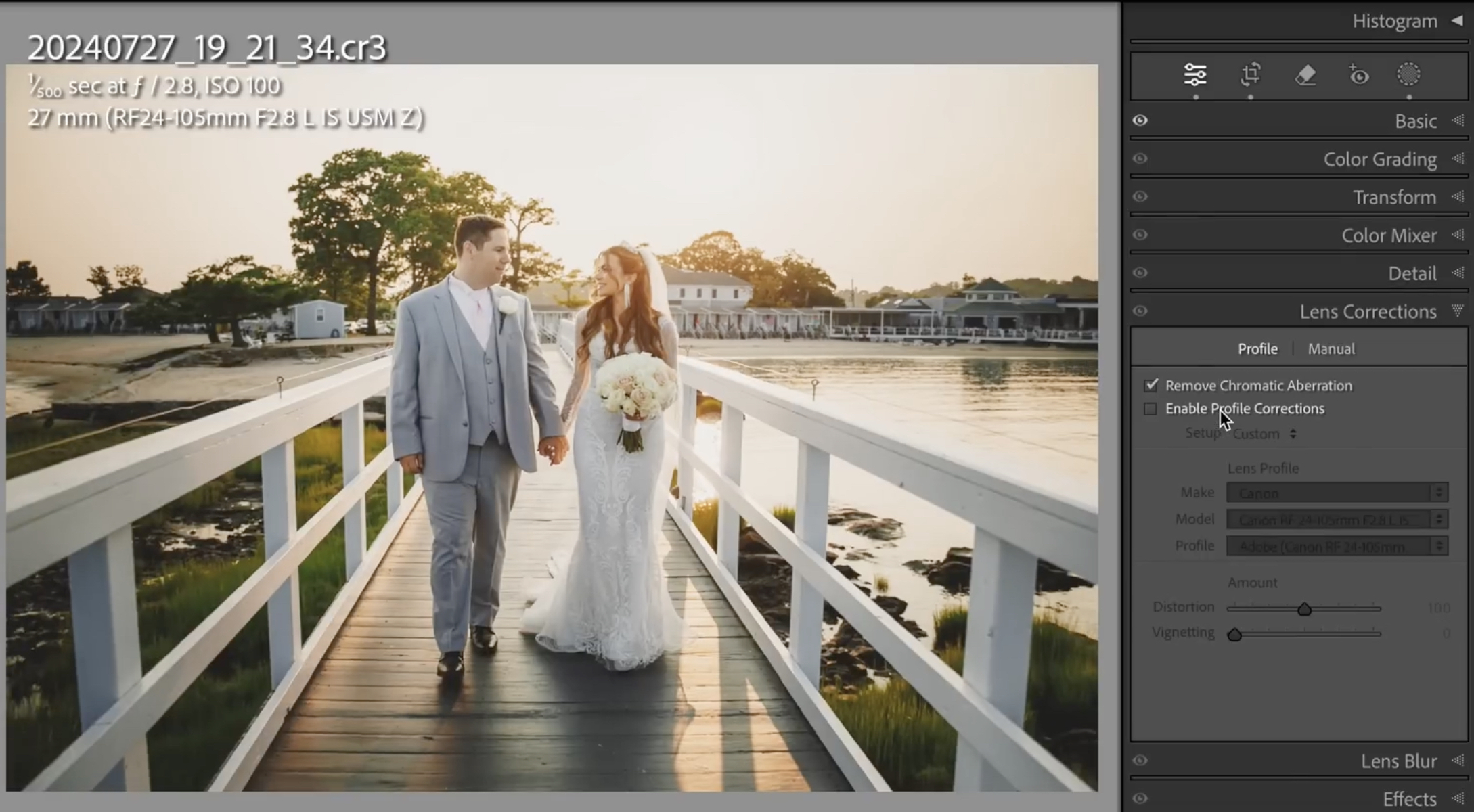
 Profile Correction Off
If distortion wasn’t an issue, I would say the extra 35mm of reach (taking you to 105mm) would absolutely be worth the $3,000 price tag over the 24-70mm.
But we have to talk about the corners.
If you turn off all lens corrections, the image at 24mm is shocking. It’s not just “distorted”… it’s incomplete! You can literally see complete blackout in the corners because the image circle does not cover the entirety of the native full-frame sensor.
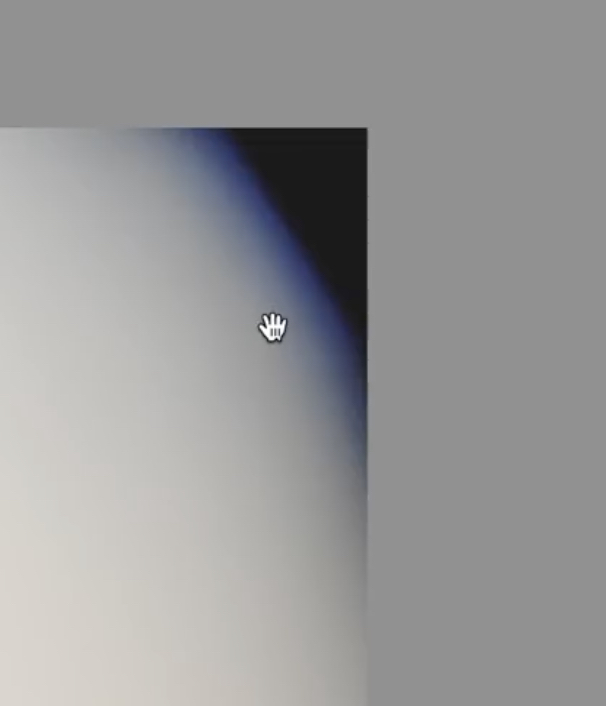
To get a usable image, you must apply a correction profile. When you correct that much distortion, the software stretches the pixels at the corners to fill the frame.
This means:
You are cropping in. You aren’t getting the full 24mm field of view you think you are.
You are losing resolution. Even if the file says “6000×4000,” you aren’t getting the full fidelity of the sensor because the image is being digitally manipulated to look straight.
We haven’t reached a point where this is “necessary.” Other brands (Nikon in particular) are demonstrating that you can still produce high-performance glass that meets spec without relying on massive digital crutches.
The Adobe Profile Glitch
When Adobe first released the profile for this lens, there was actually a bug (“Version 1”) that caused weird streaking and stretching in the corners. They fixed it in “Version 2,” but it highlights the problem: If you shoot in RAW format… you are now beholden to Adobe (or Capture One) to make your $3,000 lens work correctly.

Also worth noting… if you look at a RAW file on the back of the camera vs. the “corrected” RAW in Lightroom, the framing actually changes subtly. This adds a layer of unpredictability to framing a composition that I refuse to accept.
Stabilization and Aperture Reality
The lens boasts 8 stops of stabilization. That is technically impressive, but for wedding photography, it’s largely marketing fluff.

I photograph people. People move. I am never going to shoot a handheld portrait at 1/10th or 1/20th of a second, regardless of how good the IS is, because the subject motion blur would ruin the shot.

If I’m in a situation dark enough to require those shutter speeds at f/2.8, I’m not going to rely on stabilization. I’m going to switch to a prime lens at f/1.2 to let in more light and keep my shutter speed up. The f/2.8 aperture, while constant, just isn’t a low-light savior in the way it used to be.

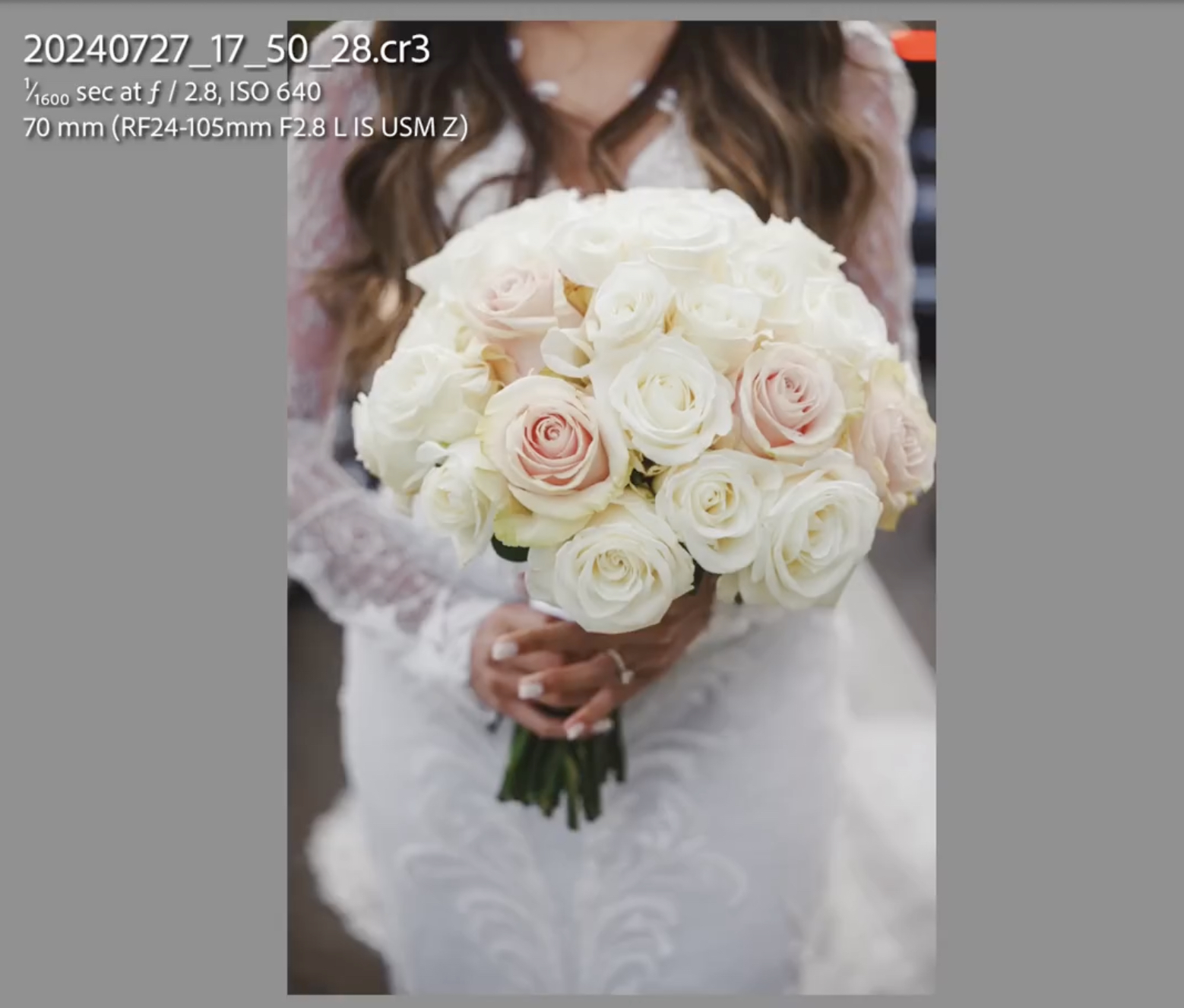
That said, credit where it is due: the lens is clinically sharp, and the close-focusing distance is genuinely useful for detail shots.
The Verdict
I credit Canon for trying something new. But this lens feels like a product designed for a spec sheet rather than a photographer’s hand.

If you are a sports photographer on a monopod, or a hybrid shooter who lives on a tripod, this is a technological marvel. The Power Zoom adapter (which I didn’t test) might even make it a broadcast killer.

But for a wedding photographer? We need to be agile. We need to be unobtrusive. And for $3,000, I expect my glass to be optically sound before the software touches it.
I’d rather not carry the ladder.